Nucleomorph
noun (n.)
Definition
A nucleomorph is a remnant nucleus that still contains a highly reduced genome, derived from an endosymbiotic unicellular eukaryote. Nucleomorphs are present in the periplastidial compartment of cryptophytes and chlorarachniophytes. This compartment constitutes the remains of the cytoplasm of that eukaryote.
The three nucleomorph chromosomes of Guillardia theta:

Guillardia theta has three distinct nucleomorph chromosomes.
Explanations
The nucleomorph was first described in the 1970s and has been studied using cytochemistry and, more recently, molecular biology. Comparative phylogenetic and genomic analyses have convincingly shown that the cryptophyte nucleomorph is a residual nucleus of red algal origin. The structure and function of cryptophyte nucleomorph genomes have provided fascinating insights into the process of genome reduction and compaction.
Along with chlorarachniophytes, cryptophytes are unusual in possessing a nucleomorph, a small double-membrane-bound organelle residing between the inner and outer sets of plastid membranes.
A preliminary karyotypic analysis of the cryptophyte Pyrenomonas salina (now Rhodomonas salina) revealed that its nucleomorph genome is approximately 660 kilobase pairs (kbp) in size and comprises only three chromosomes (~195, 225, and 240 kbp). As of 2008, the known size distribution of cryptophyte nucleomorph genomes ranges between ~450 and ~850 kilobase pairs (kbp), likely orders of magnitude smaller than the algal genomes from which they evolved. The presence of three nucleomorph chromosomes appears to be a universal feature that is intriguingly shared with the nucleomorphs of an unrelated algal group, the chlorarachniophytes.
The first nucleomorph genome sequenced was that of the model cryptophyte Guillardia theta. The nucleomorph genome of G. theta is 551 kilobase pairs (kbp) in size, distributed across three chromosomes of ~196, 181, and 174 kbp. The chromosomes are characterized by the presence of nearly identical subtelomeric ribosomal DNA repeats. The genome encodes genes primarily with "housekeeping" functions such as protein folding and degradation, transcription, and translation. Thirty genes encoding plastid-targeted proteins are present.
In 2007, the nucleomorph genome of another cryptophyte, Hemiselmis andersenii, was sequenced. At ~572 kbp, the genome of H. andersenii is slightly larger than that of G. theta. The overlap in gene complement between the two genomes is substantial (H. andersenii contains the identical set of 30 plastid protein genes), as is the degree of gene order conservation (synteny). The most striking difference between the two genomes is the complete absence of spliceosomal introns and protein- and RNA-splicing genes in the H. andersenii genome. The genome of G. theta contains 17 introns ranging in size from 42 to 52 base pairs. Gene density in the cryptophyte nucleomorph genome is high (~1 kbp/gene), a fact with important implications for transcription. Numerous examples of mRNAs encoding more than one gene have been discovered in the G. theta nucleomorph, likely due to transcriptional regulatory elements located inside or beyond neighboring genes.
Synonyms, antonyms
Spanish translation: nucleomorfo
0 synonyms (similar meaning) for "nucleomorph".
0 antonyms (opposite meaning).
Related words and expressions to NUCLEOMORPH are directly connected by general or specific meaning.
The word NUCLEOMORPH is listed on page 1 of words starting with N in the dictionary glossary.
Related to "nucleomorph"
apomorphic

An apomorphic character, as opposed to plesiomorphic, distinguishes an organism or taxon from others sharing the same ancestor.
autapomorphy

In phylogenetic classification, an autapomorphy is a distinctive anatomical characteristic, known as a derived character unique to a given terminal group...
ceratomorph
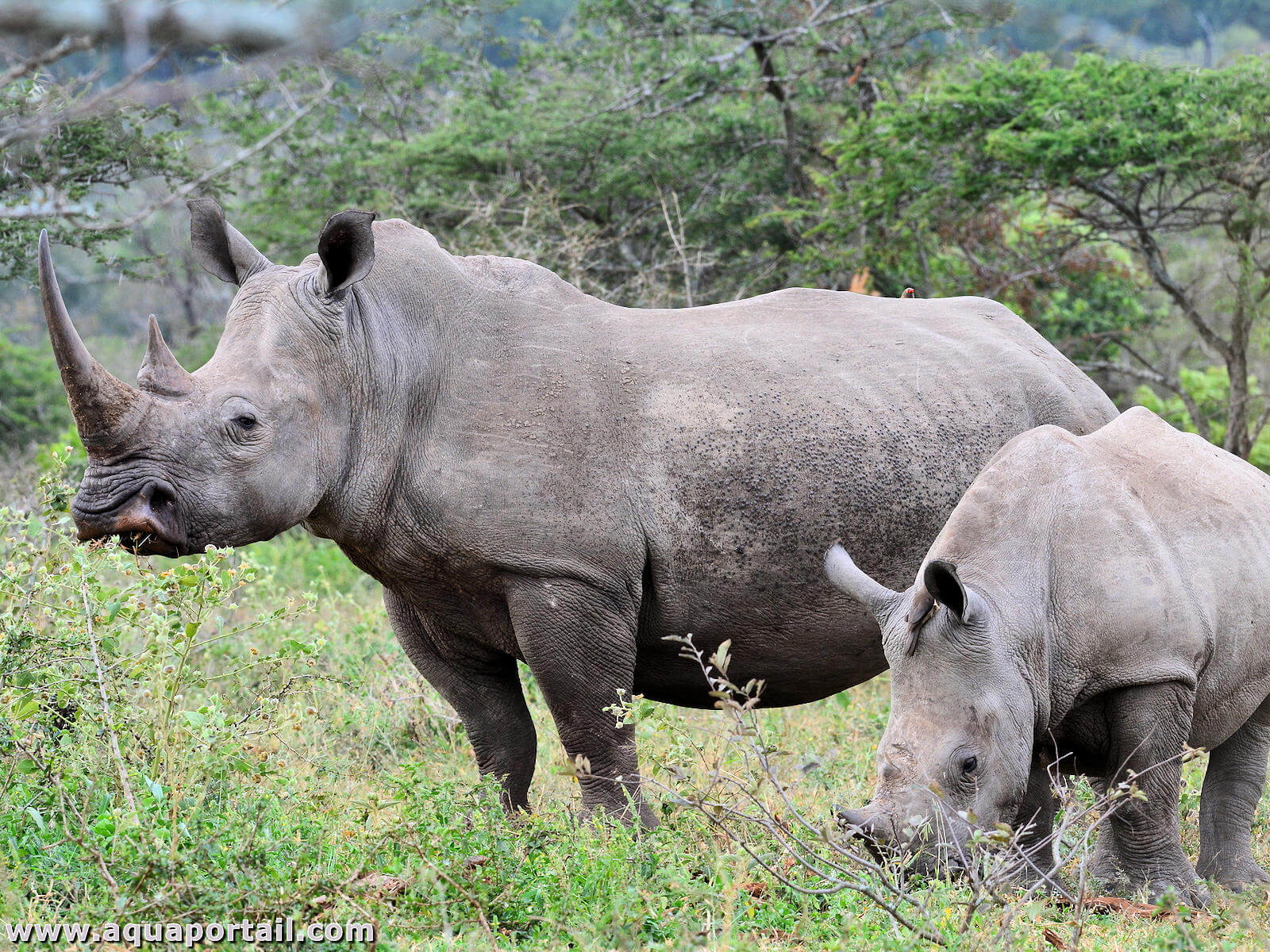
A ceratomorph is a species of the suborder Ceratomorpha, which comprises tapirs and rhinoceroses among extant members of the order Perissodactyla.
heteromorphic

Something heteromorphic or allomorphic describes a life cycle in which the individuals making up one generation are morphologically different from those...
