Splicing
noun (n.)
Definition
Splicing is the processing of the primary transcript (RNA) of a gene, resulting in the production of a messenger RNA that directs the synthesis of a protein. Splicing consists of removing all intron sequences.Splicing:
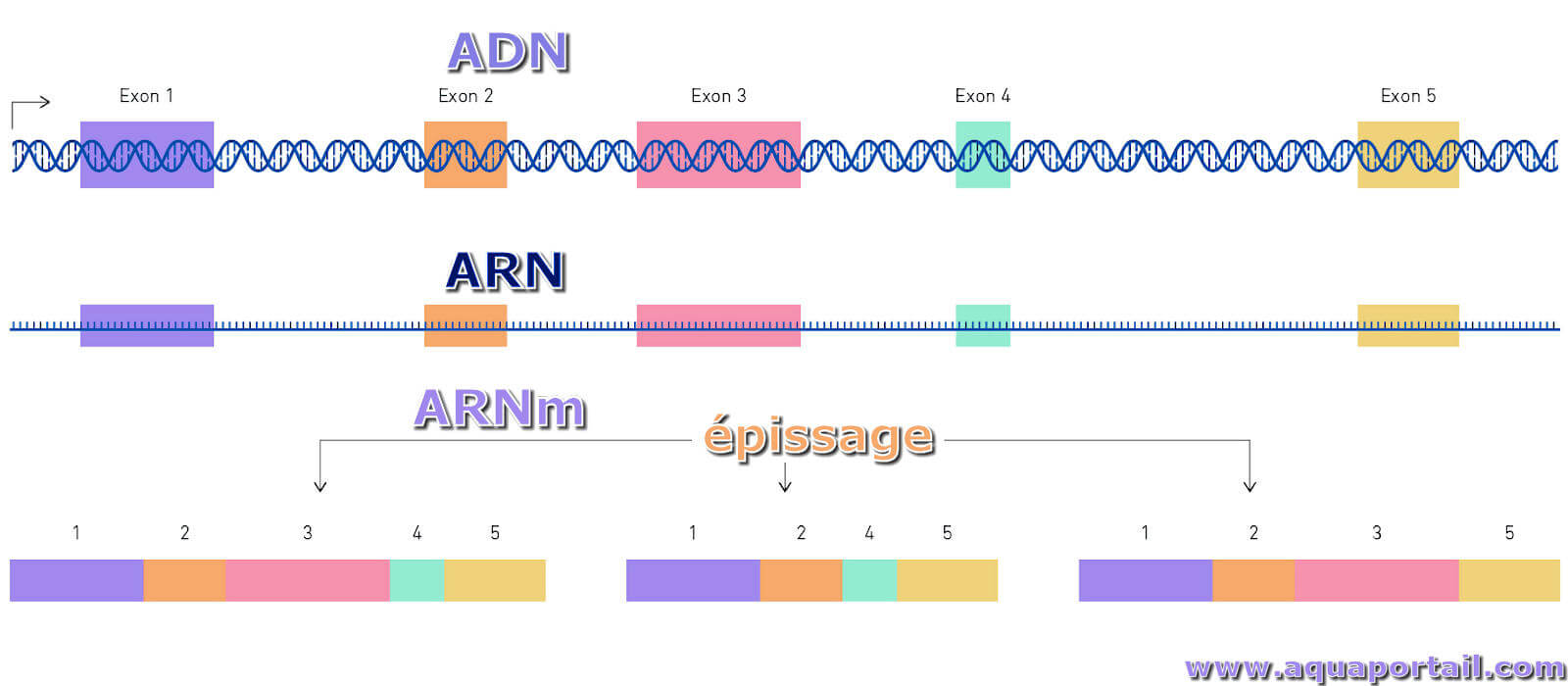
Splicing aims to allow two different gene regions to enable a single gene to encode more than one protein.
Explanations
In molecular biology and genetics, splicing is a modification of nascent pre-mRNA that takes place during or after transcription, in which introns are removed and exons are joined together. This is necessary for typical messenger RNA before it can be used to produce a proper protein through translation or protein synthesis.
⭐ Splicing (a form of RNA processing) is catalyzed by a set of ribonucleoprotein complexes collectively called the spliceosome. Chemically, splicing occurs through two successive transesterification reactions, whereby phosphodiester bonds on the pre-mRNA are broken and new ones are formed. These reactions are mediated by a multi-component molecular machinery called the spliceosome.
When referring to splicing, one may mean:
- RNA splicing: a co-transcriptional process of RNA splicing. This process is very common in eukaryotes and can occur in any type of RNA, although it is most common in mRNA. It has also been described in rRNA and tRNA of prokaryotes and bacteriophages
- protein splicing: the post-translational splicing process of a precursor protein. This process involves removing an amino acid sequence from the polypeptide chain to generate a mature protein
- DNA splicing: the process of covalently joining two double-stranded DNA fragments, catalyzed by a DNA ligase
- alternative splicing: it allows different mRNA and protein isoforms to be obtained from a primary mRNA or pre-mRNA transcript, which may have different and often opposing functions. This process occurs mainly in eukaryotes, although it can also be observed in viruses.
Most eukaryotic genes consist of coding regions (exons) alternating with non-coding regions (introns). The latter must necessarily be removed from the primary transcript to allow proper translation and synthesize the corresponding protein. Some introns are also present in archaeal genes, whereas they are absent in bacterial genes. After transcription by RNA polymerase, the primary transcript undergoes numerous modifications.
See RNA processing.
⭐ No one knows how many times a day, or even per hour, the trillions of cells in our body need to make proteins. Yet we know it happens all the time, on a massive scale. We also know that every time this occurs, an editing process takes place in the cell nucleus. Called RNA splicing, it ensures that the RNA "instructions" sent to cellular protein factories accurately match the blueprint encoded in our genes.
Alternative splicing
Alternative splicing is part of gene expression that allows a single gene to encode multiple proteins. The selection and choice of expressed exons lead to an mRNA strand that has a different series of exons from the original DNA sequence.
After transcription, the resulting mRNA strand contains both exons and introns. The strand is cleaved at the splice site, between an exon and an intron, and the introns are excised. Depending on the protein to be made, some exons may also be removed. The remaining exons are joined end-to-end to form the final mRNA sequence. This sequence is translated into a protein.
Alternative splicing enables a gene to encode multiple protein isoforms. These are different proteins that remain very similar.
Alternative splicing:
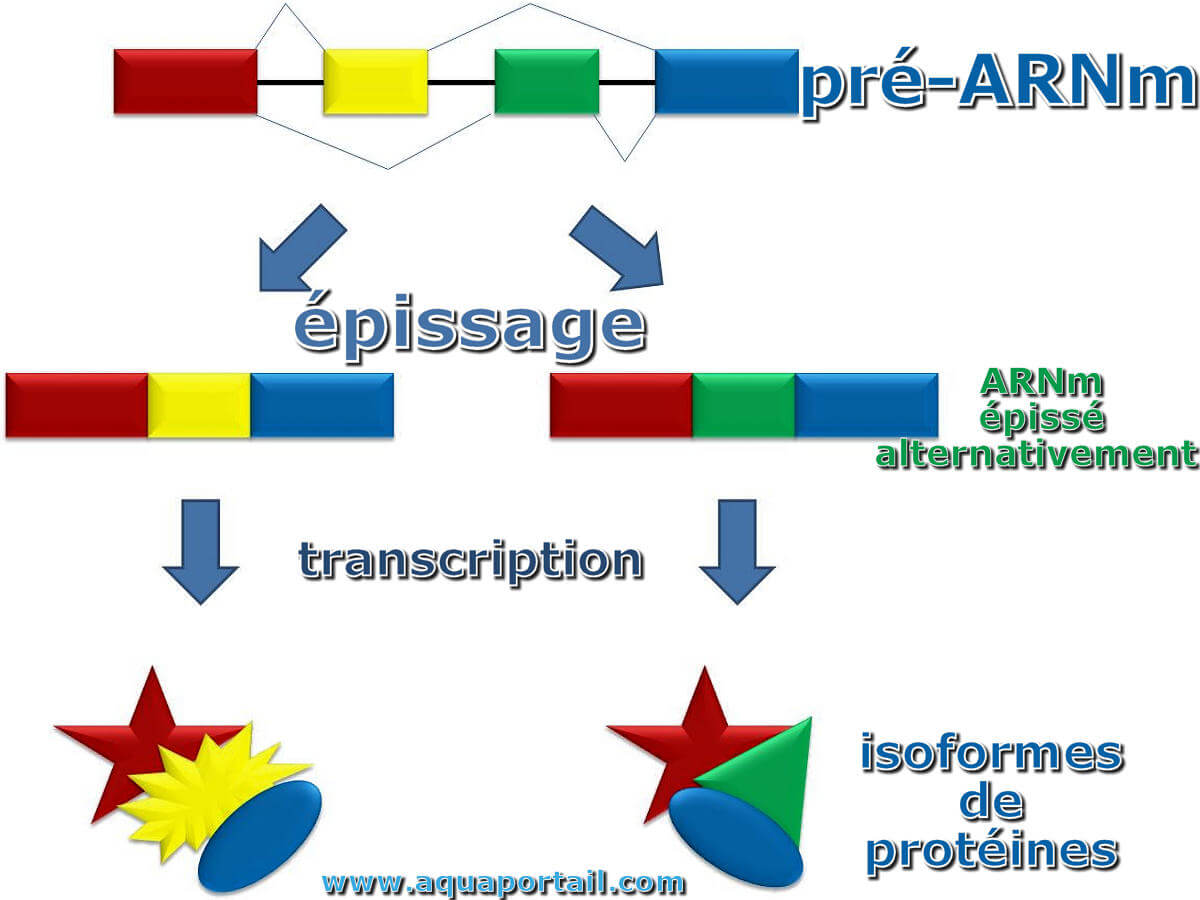
When introns are spliced out, certain exons may also be removed. This is called alternative splicing and allows different combinations of exons to remain in the final mRNA molecule. Since the base sequence of the final mRNA strand changes, the resulting protein also changes: it is a protein isoform.
Comparison example with a sandwich
You go to a restaurant and order a sandwich. It comes with bread, mayonnaise, lettuce, onion, tomato, and cheese. That is the pre-mRNA. But let's be honest, onions are unpleasant and serve no purpose in a sandwich. So naturally, you have to remove them. Those are the introns.
What remains are the exons: bread, mayonnaise, lettuce, tomato, and cheese. These are the parts that can be used to make an edible sandwich.
In this sandwich example, you can imagine that alternative splicing is like removing one of the other ingredients. Although a tomato can be used to make a sandwich, you can still make a sandwich without it. It will simply look and taste different.
Synonyms, antonyms
Spanish translation: empalme de ARN
3 synonyms (similar meaning) for "splicing":
0 antonyms (opposite meaning).
Related words and expressions to SPLICING are directly connected by general or specific meaning.
The word SPLICING is listed on page 1 of words starting with S in the dictionary glossary.
Related to "splicing"
exon

An exon is a region of a eukaryotic gene (composed of several parts) that codes for a protein.
intron
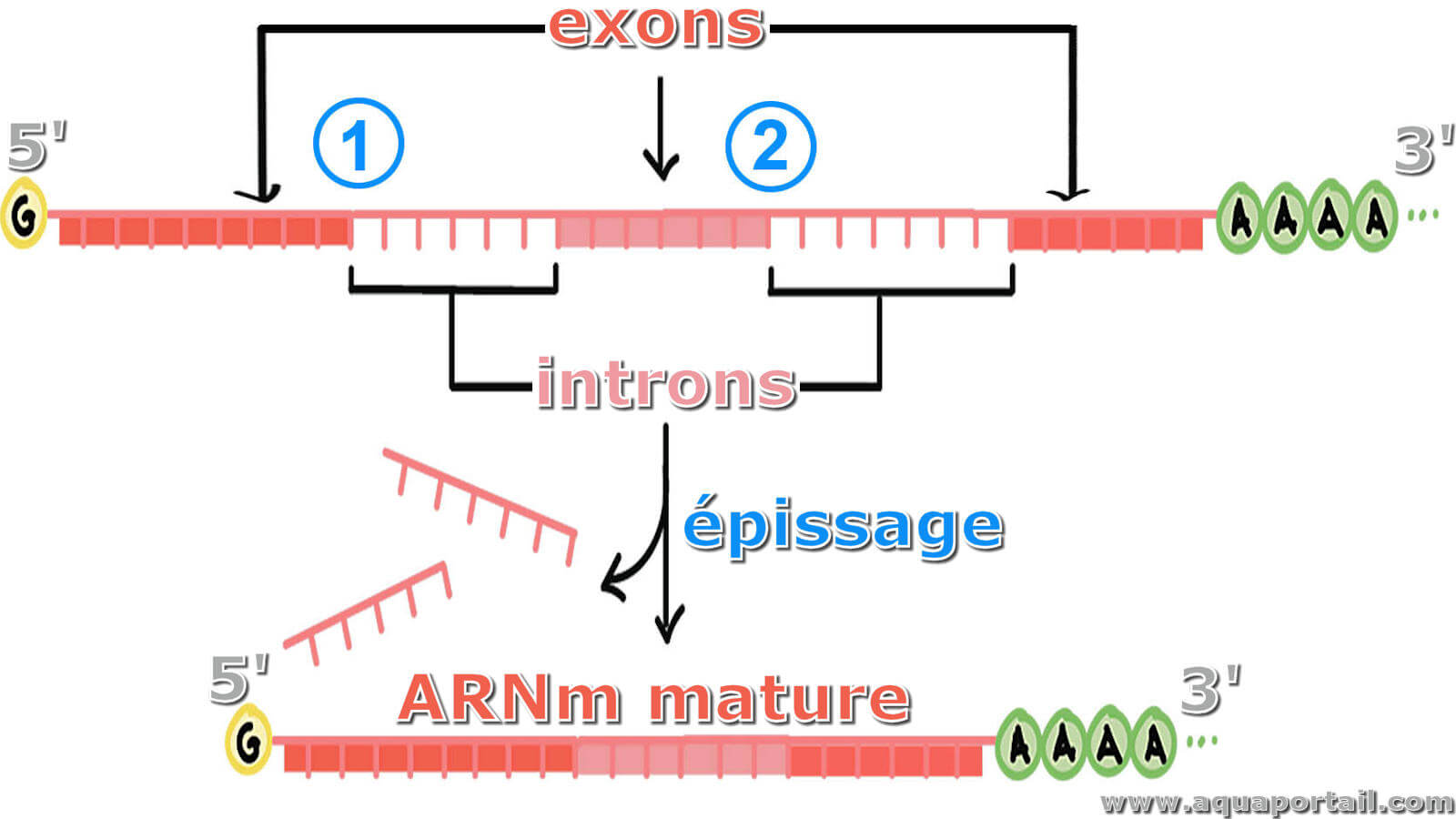
An intron is a non-coding DNA sequence interrupting the coding sequence of a split gene. The counterparts of introns during RNA splicing are exons.
coppicing
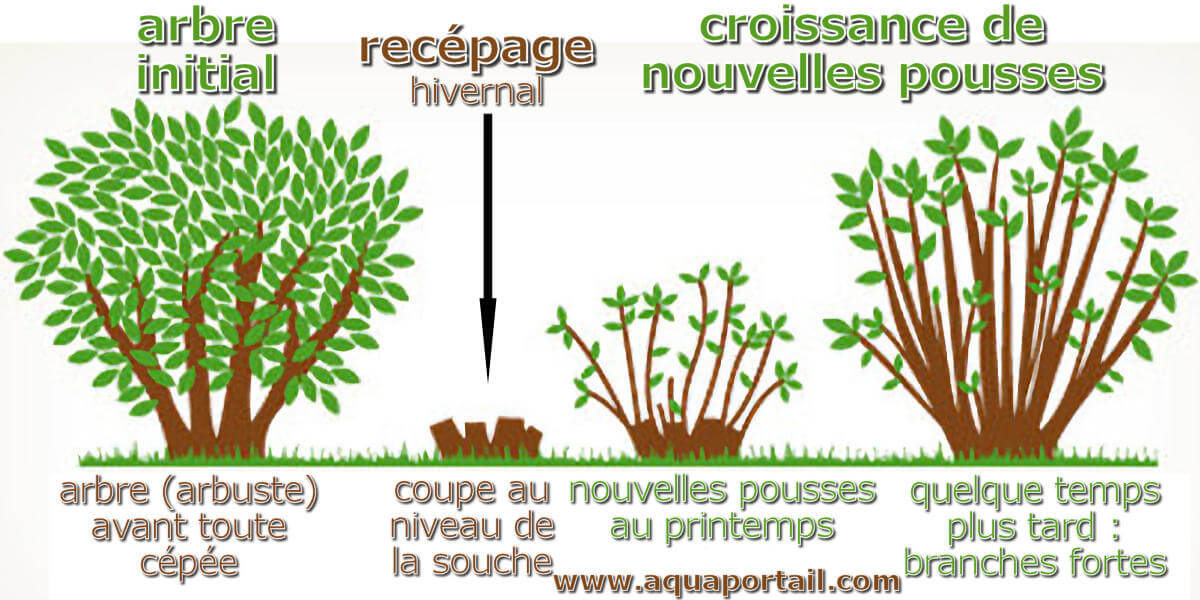
Coppicing is the practice of cutting a shrub or tree down to its base, at the lowest part of the plant as close to ground level as possible.
saccharide
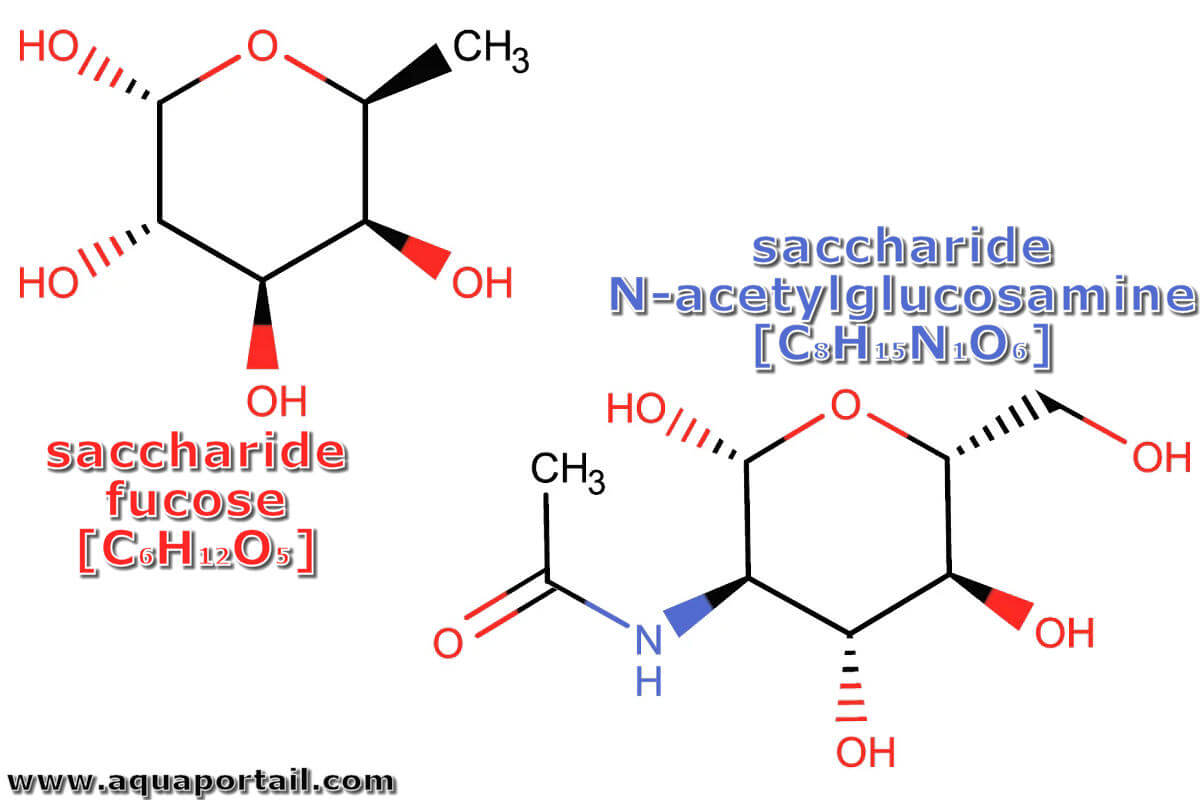
A saccharide is a carbohydrate, a biomolecule composed of carbon, hydrogen, and oxygen atoms, usually with a hydrogen-to-oxygen atomic ratio of 2 :1.
