Spring tide
noun phrase (n. phr.)
Definition
A spring tide is a tide of maximum range occurring notably during the equinoctial spring tides in spring and autumn. The largest spring tides occur at syzygy, when the Sun, Earth, and Moon are aligned.
The two spring tides:

When the Sun, Earth, and Moon are aligned (at new or full moon, top diagram), the solar tide combines with the lunar tide to create very high high tides and very low low tides.
Explanations
When the tidal forces of the Sun and Moon act in the same direction and reinforce each other, the tidal range reaches its maximum; this is known as a spring tide (not to be confused with the season of spring, as it occurs year-round).
Spring tides occur thanks to a near-perfect alignment of the Sun, Earth, and Moon, allowing the gravitational forces of all three celestial bodies to combine.
The lunar spring tide is bi-level elliptical because its tidal range and period exceed those of a neap tide.
⭐ Tides, meaning the rise and fall of sea levels, are caused by the gravitational forces exerted by the Moon and the Sun combined with the rotation of the Earth. The Moon exerts the greatest influence on Earth's tides.
When the Sun and Moon are at right angles to each other (bottom in the diagram above), the solar tide partially cancels the lunar tide, producing more moderate tides (called neap tides). During each lunar month, two sets of spring tides and two sets of neap tides occur.
Synonyms, antonyms
Spanish translation: marea viva
1 synonym (similar meaning) for "spring tide":
0 antonyms (opposite meaning).
Related words and expressions to SPRING TIDE are directly connected by general or specific meaning.
The expression SPRING TIDE is listed on page 1 of words starting with S in the dictionary glossary.
Related to "spring tide"
ebb tide

Ebb tide designates the outgoing, falling tide of the sea that begins at high water, also known as reflux.
glycopeptide
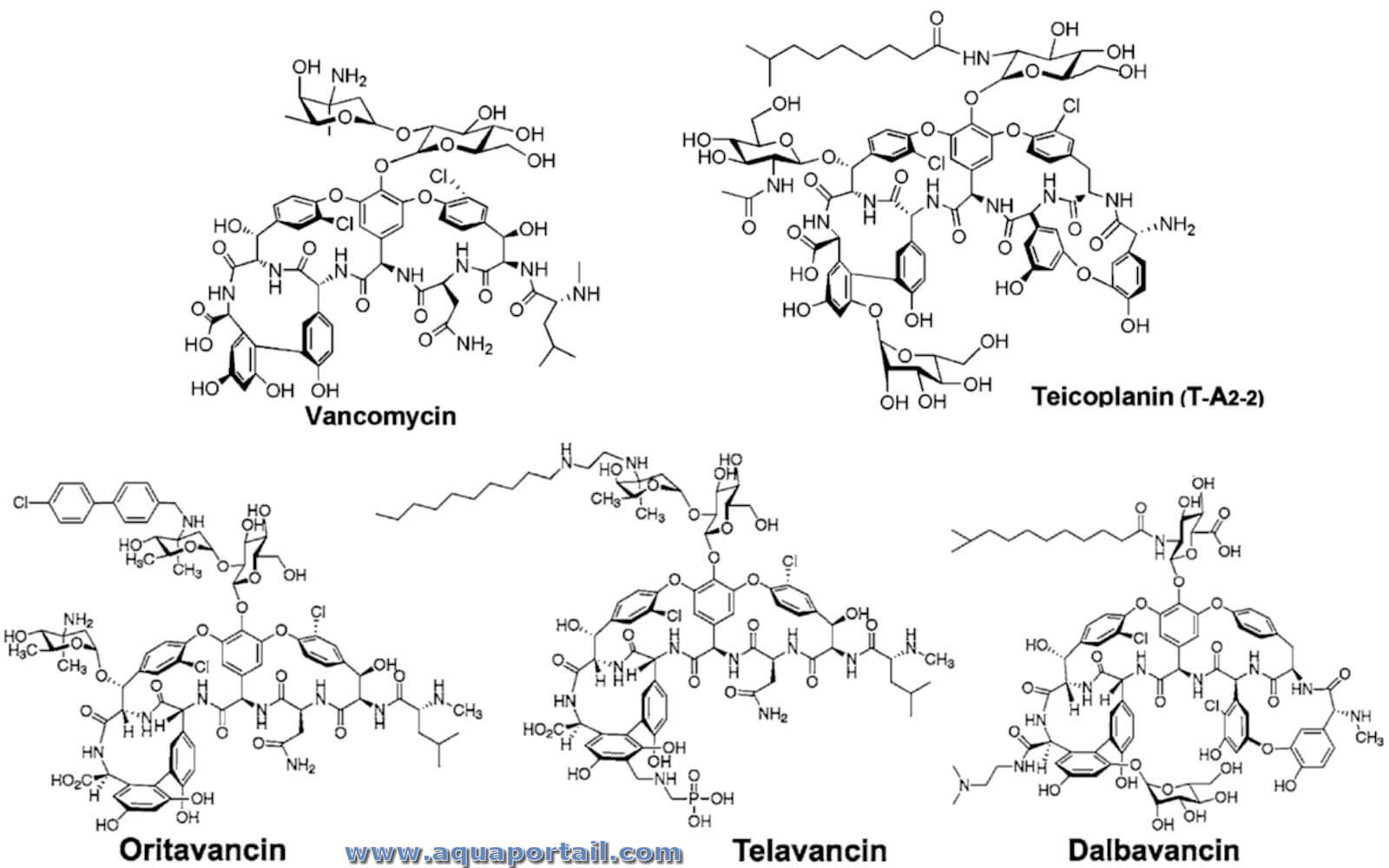
A glycopeptide is a compound formed of a peptide covalently linked to a carbohydrate moiety.
peptide

A peptide is a molecule comprising at least two amino acid residues linked by a CO-NH peptide bond, formed by dehydration condensation between the NH₂ group...
tide

The tide corresponds to the periodic change in water level in large bodies of water (sea, ocean, lake) occurring on Earth as a result of the gravity...
