Nervure
noun (n.)
Definition
In botany, a nervure (vein) is the arrangement of vascular strands making up the vascular tissue of a plant leaf. Veins are located in the spongy mesophyll layer of leaves; they enable sap circulation and communication between the various parts of the leaf and the rest of the plant.
Rose leaves have alternate pinnate veins:

The venation of rose leaves shows alternate and pinnate veins. Secondary veins are clearly visible and connected to the midrib.
Explanations
A nervure denotes a raised line on a surface; in botany, leaf veins, sometimes loosely called nerves, are the vascular bundles within leaf blades. They are divided into the midrib, which extends the petiole or leaf stalk, and lateral veins, serving for water and sap influx, assimilate export, and mechanical reinforcement.
Venation, the network of veins in leaves, enables precise species identification. Venation (see that entry) defines the arrangement of veins in a leaf: the type and arrangement of each vein is one of the standard variables in plant description.
A leaf vein is thus a sap-conducting structure located in the leaf blade; this structure is elongated and prominent in a leaf or frond. Veins are formed of fibrovascular conducting bundles associated with sclerenchyma. A single vein defines a microphyll, whereas multiple alternating veins characterize a megaphyll.
The term is sometimes used in algae in this morphological sense, such as the midrib of the thallus straps in certain Fucus species, though without the functional vascular connotation found in higher plants where veins contain fibrovascular bundles.
In paleobotany, fossil veins are examined in fossilized leaves to compare them with extant species and determine their relationships.
A nervure (wing vein) also denotes a branched chitinous tube in insect wings providing structural reinforcement. A parallel-veined (rectinerved) leaf describes a leaf or blade bearing straight, parallel veins. This is the general case in Monocotyledons.
✅ A palmately veined leaf has veins diverging from the point of petiole insertion like the fingers of a hand. See, for example, palmatifid, palmatilobed, and palmatipartite.
See also acrodromous venation.
Synonyms, antonyms
Spanish translation: nervadura
6 synonyms (similar meaning) for "nervure":
- midrib
- protrusion
- rib
- ridge
- vascular bundle
- venation
0 antonyms (opposite meaning).
Related words and expressions to NERVURE are directly connected by general or specific meaning.
The word NERVURE is listed on page 1 of words starting with N in the dictionary glossary.
Related to "nervure"
nanandrous
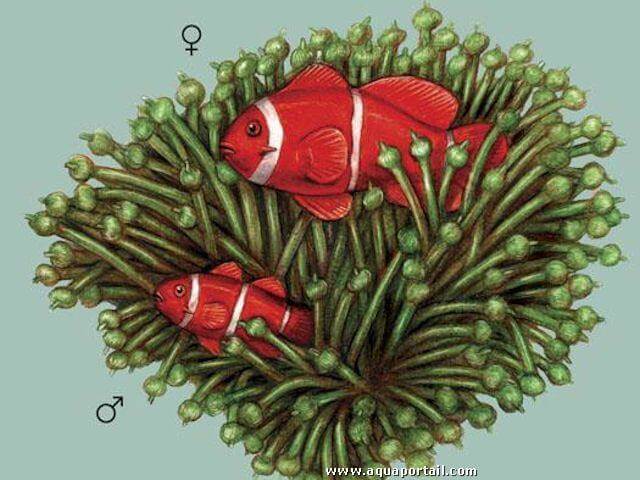
A nanandrous organism refers to a dwarf male individual. The root of the word dwarfism is easily identifiable and defines nanandry. Females, in fish...
nanobacterium
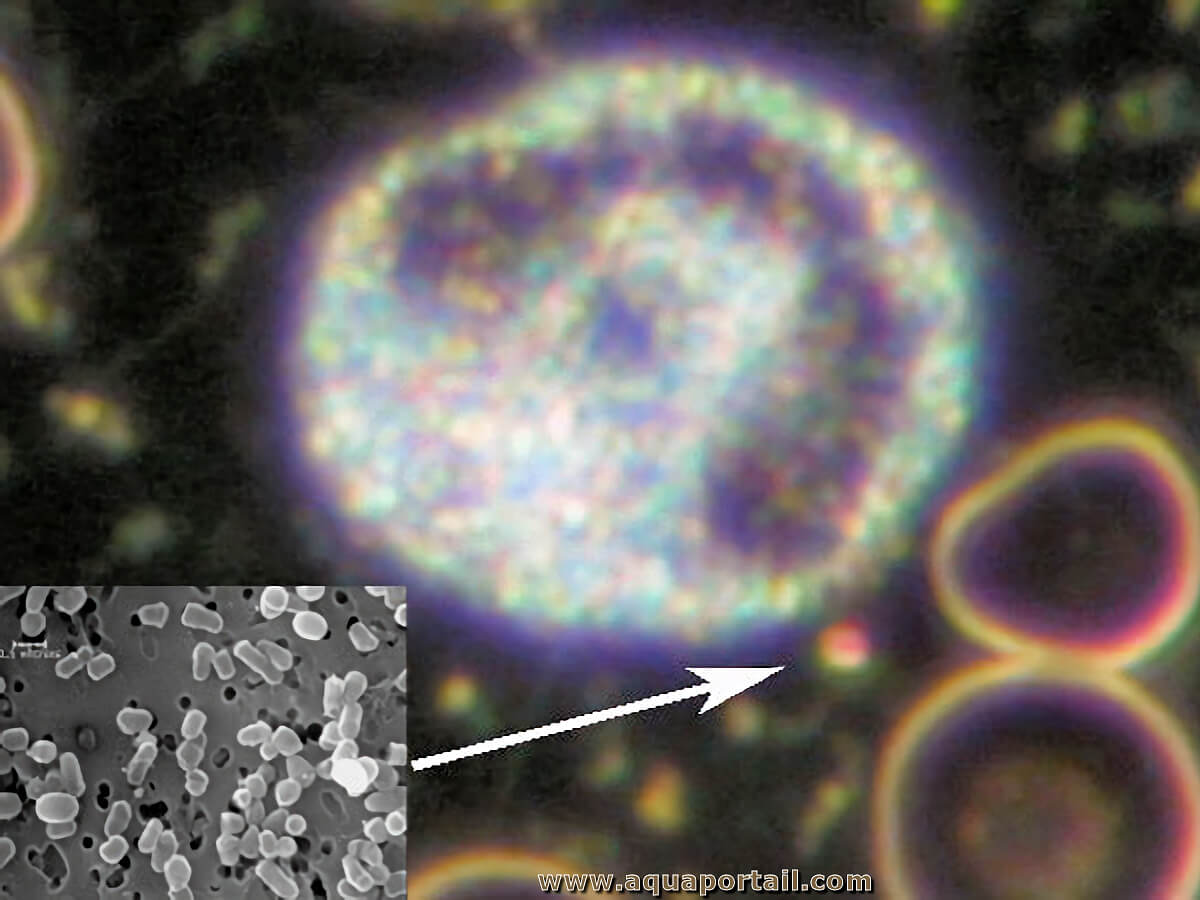
A nanobacterium is a submicron particle initially described as a hypothetical bacterial microorganism the size of a nanobe.
nanobe
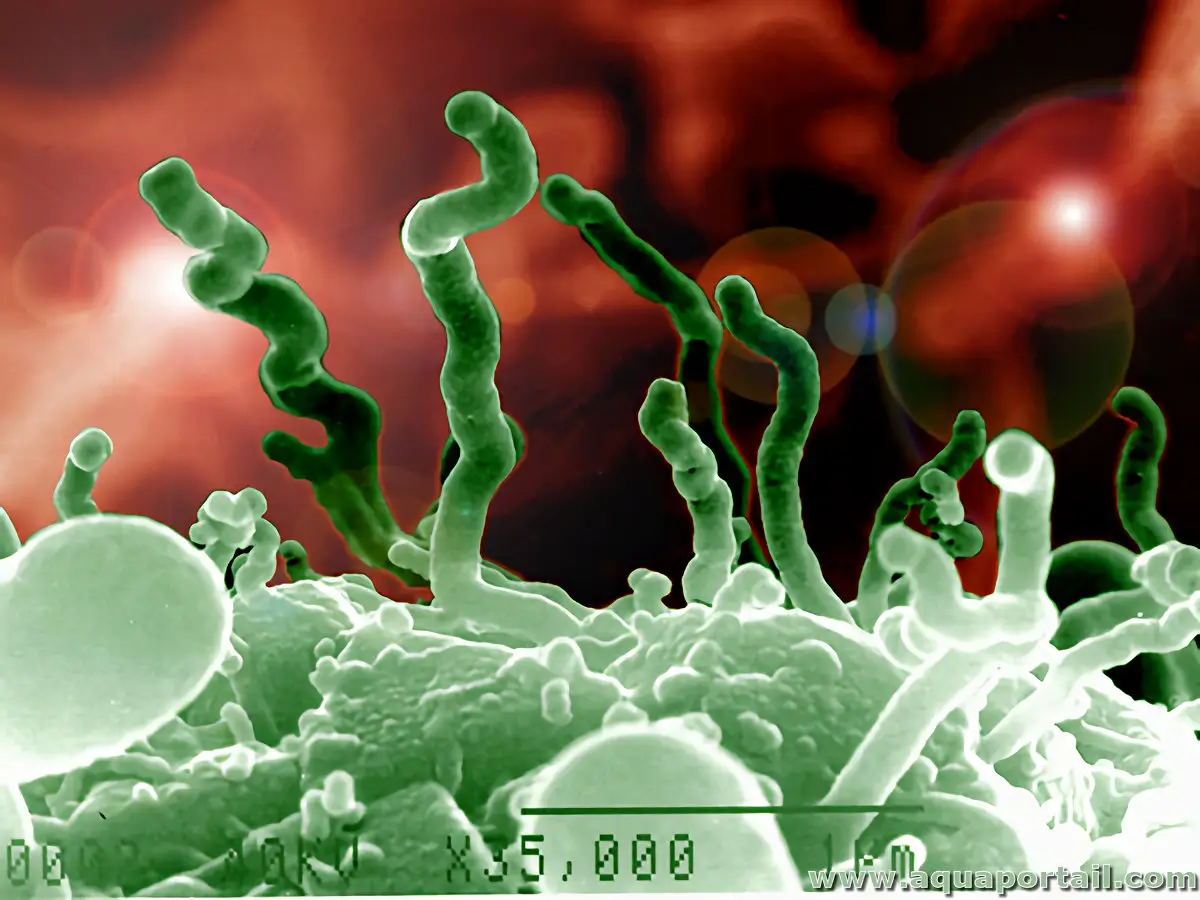
A nanobe is a tiny filamentous structure initially proposed as a hypothetical nanometer-scale microbe discovered in certain rocks and sediments, closely...
nanoplankton
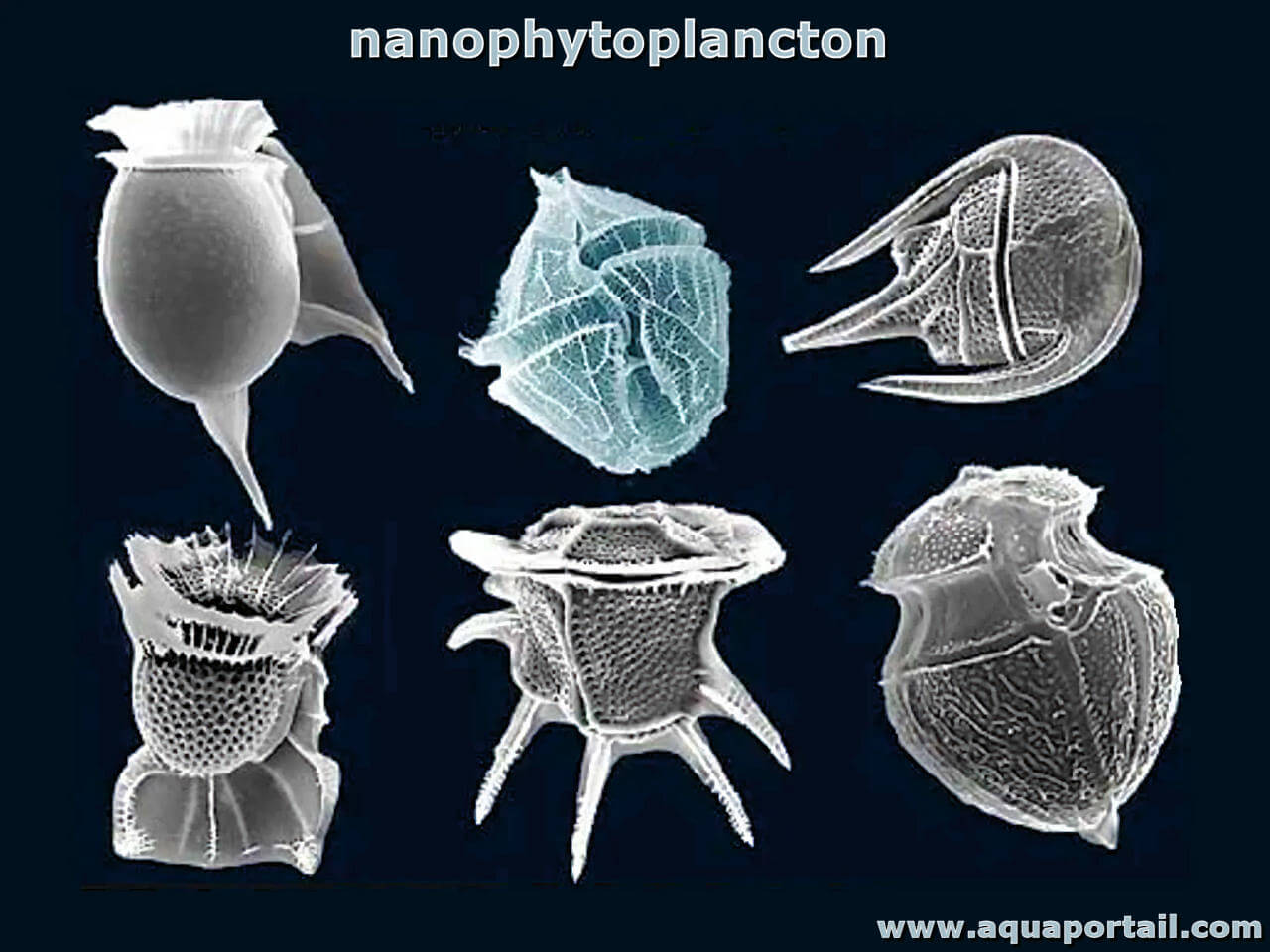
Nanoplankton is a fraction of plankton whose organism size ranges between 2 and 20 µm, below the naked-eye scale.
Simple summary
A vein structures a leaf or an insect wing by supplying water and nutrients and supporting the shape of the organ. In botany, these veins are part of the plant's vascular system, essential for transporting nutrients and water. In entomology, wing veins contribute to flight mechanics and stability.
