The neoplastidic type, encountered in Zygnematophyceae, is the most derived type.
This nomenclature (archeoplastidic, mesoplastidic, neoplastidic, homoplastidic) was created with the idea that the archeoplastidic type represents the retention of a primitive trait and the neoplastidic type a derived trait, which, for example, does not appear to be the case in brown algae.
In homoplastidic neoplastidic forms, numerous plastids lack a pyrenoid. The single large basal nucleus fragments during reproduction as it migrates.
nanandrous
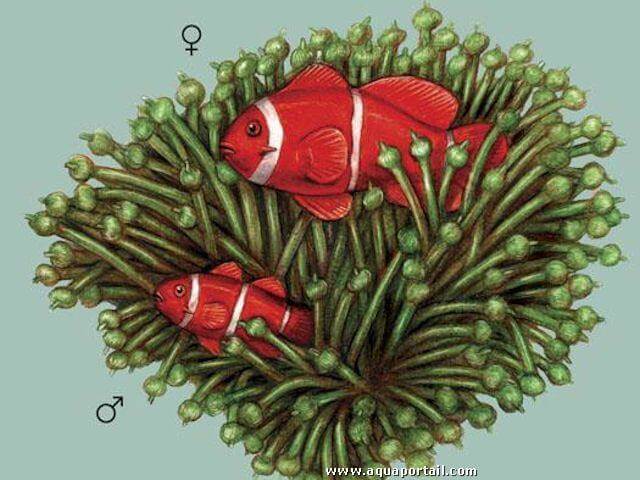
A nanandrous organism refers to a dwarf male individual. The root of the word dwarfism is easily identifiable and defines nanandry. Females, in fish...
nanobacterium
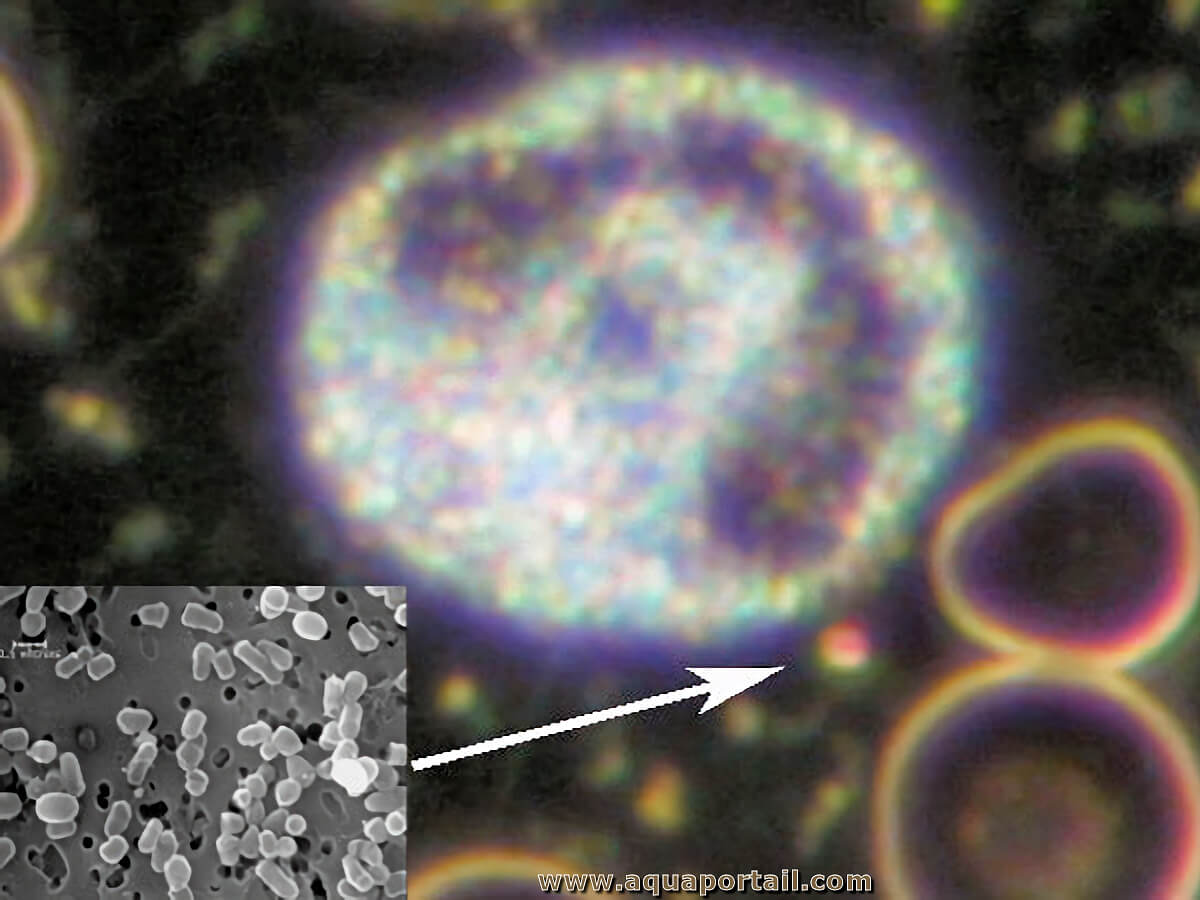
A nanobacterium is a submicron particle initially described as a hypothetical bacterial microorganism the size of a nanobe.
nanobe
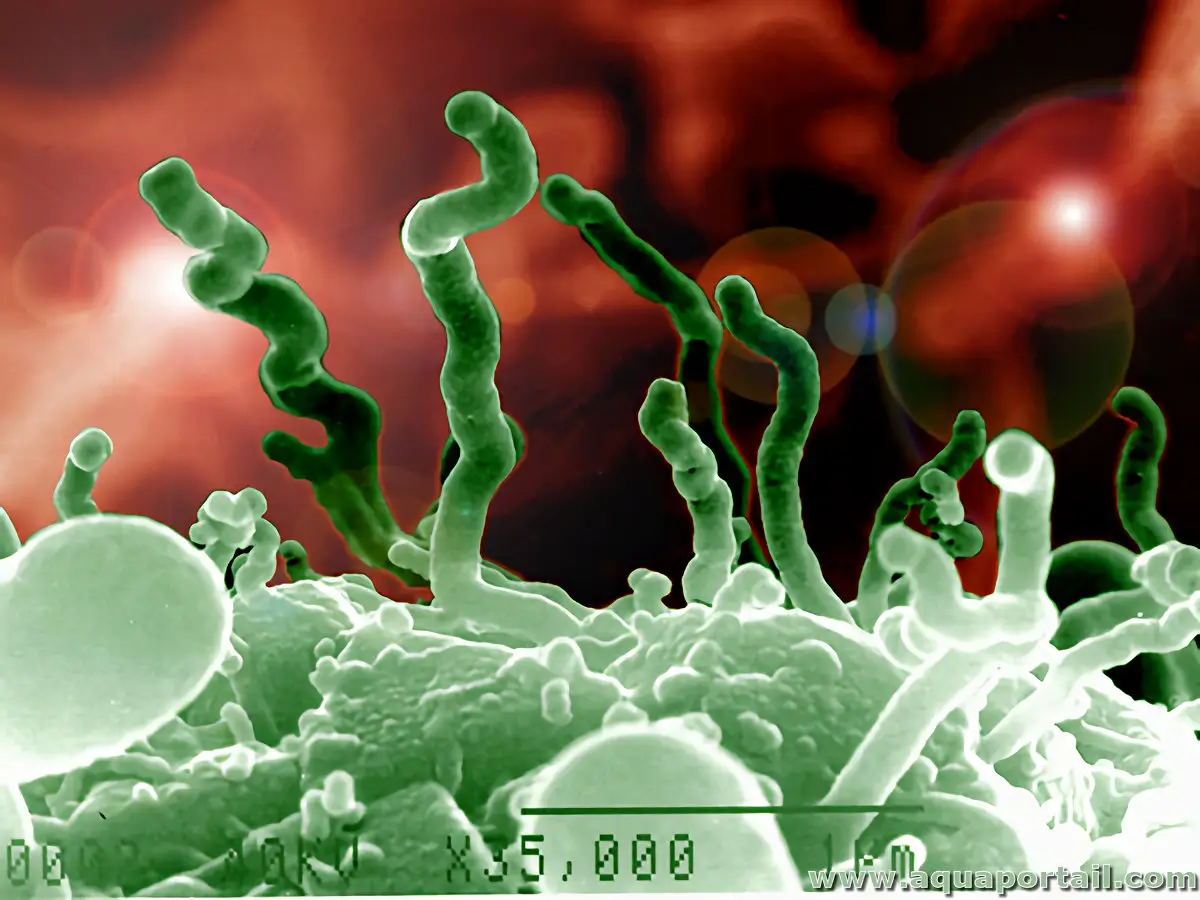
A nanobe is a tiny filamentous structure initially proposed as a hypothetical nanometer-scale microbe discovered in certain rocks and sediments, closely...
nanoplankton
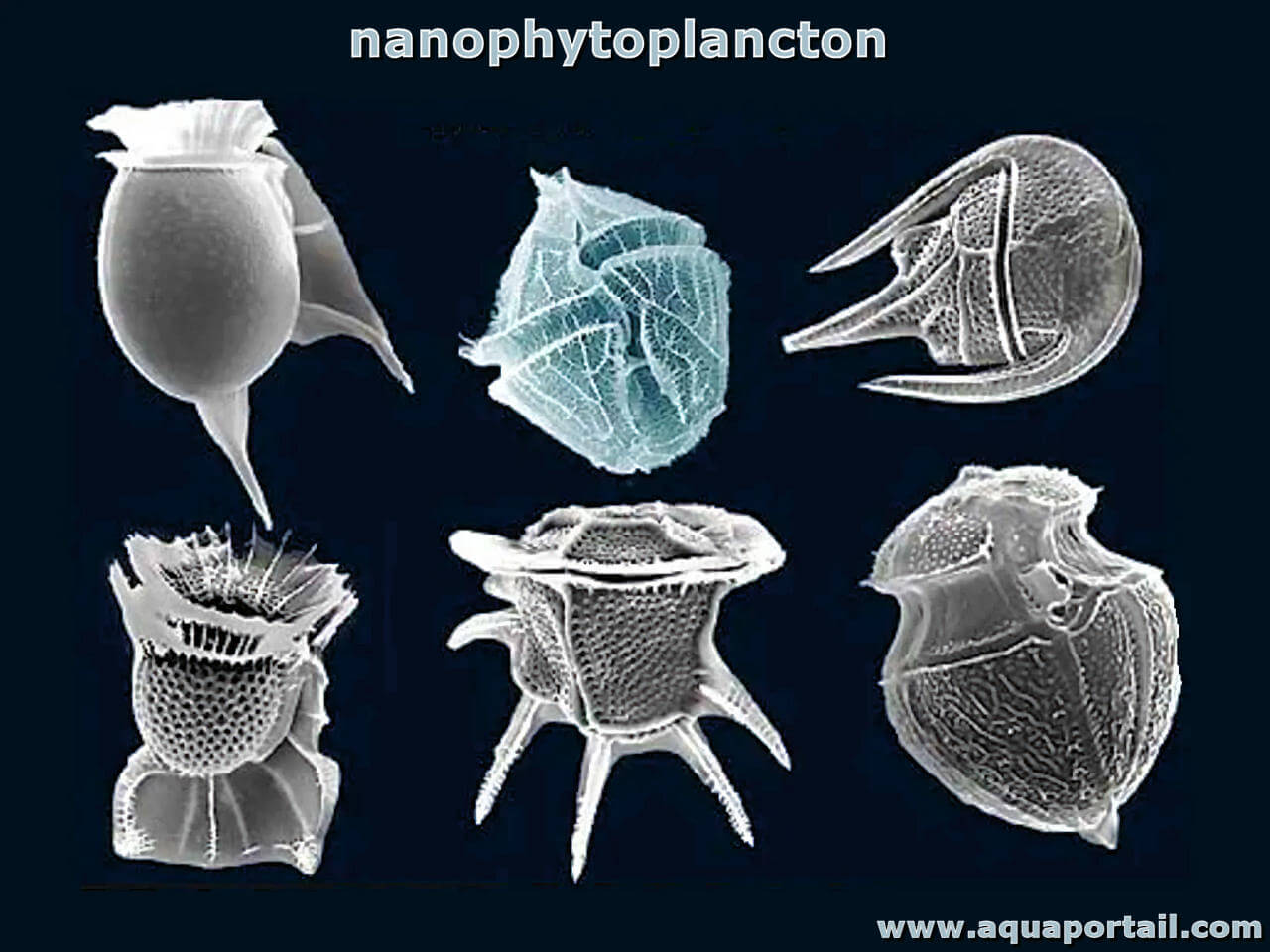
Nanoplankton is a fraction of plankton whose organism size ranges between 2 and 20 µm, below the naked-eye scale.
