Neopterygians
plural noun (n.pl.)
Definition
Neopterygians are fishes of the subclass Neopterygii within the class Actinopterygii and the superclass Osteichthyes. Neopterygii comprises two clades/infraclasses (Holostei, the holosteans, and Teleostei, the teleosts). The infraclass Teleostei accounts for roughly half of all vertebrate diversity and more than 90% of all fishes.Lepisosteus oculatus is a neopterygian (Neopterygii):
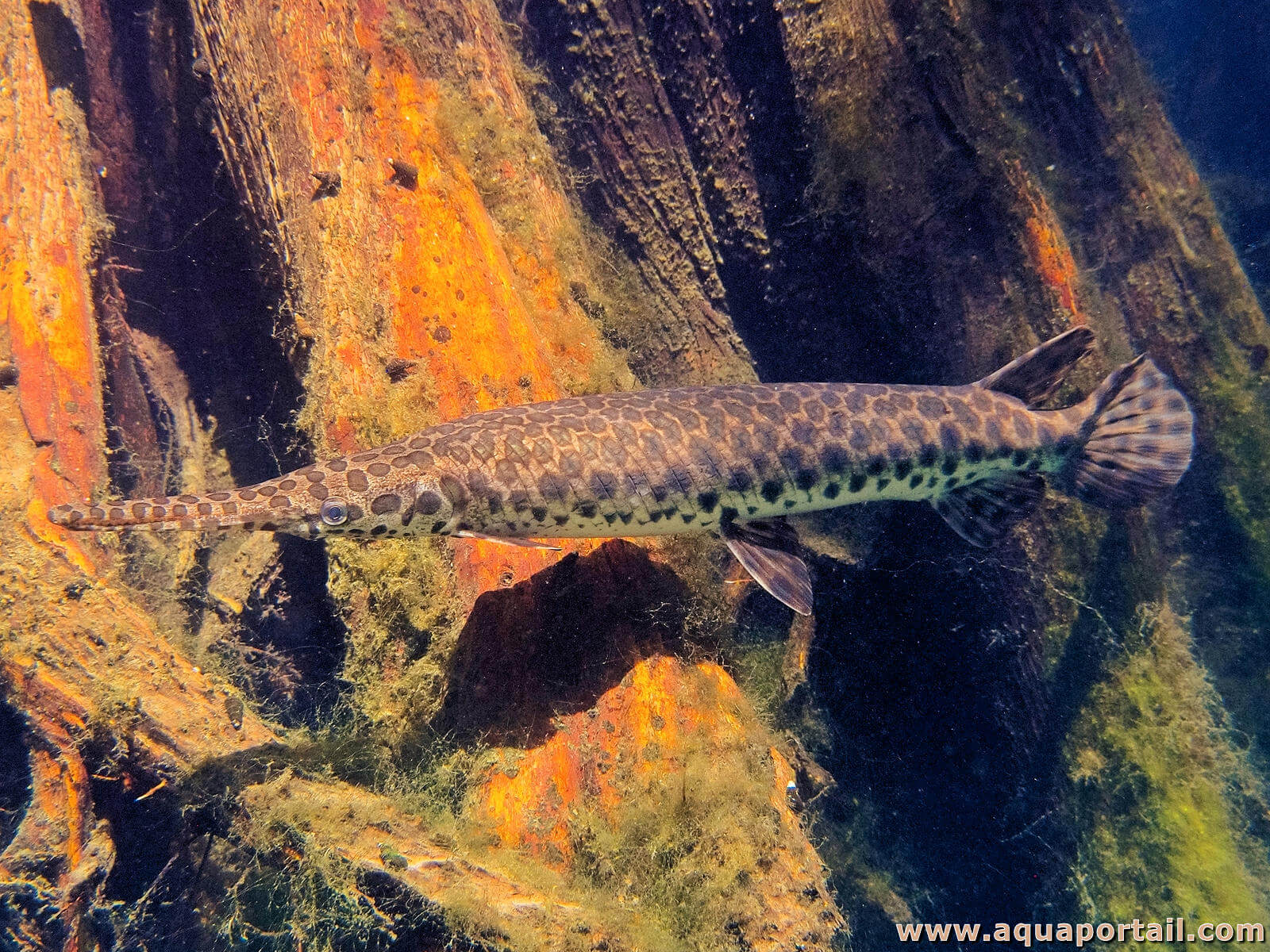
The fish Lepisosteus oculatus (spotted gar) is a neopterygian of the subclass Neopterygii.
Explanations
Neopterygii radiated during the Triassic following the near-total disappearance of early actinopterygians after the Permian mass extinction (Permian-Triassic extinction event). Most living fishes belong to this taxon and are grouped within the teleosts, or modern bony fishes. Fossils dating back to the Lower Carboniferous have confirmed their emergence during that geological period.
The only extant bony fishes that do not belong to Neopterygii are coelacanths (genus Latimeria), lungfishes (Dipnoi), Polypteriformes (family Polypteridae and genus Erpetoichthys), and sturgeons (Acipenseriformes).
Diagnostic features of a neopterygian include internal fin supports (pterygiophores) equal in number to the external fin rays (lepidotrichia) of the dorsal fin. A novel bone, the symplectic, assists in jaw suspension and gill support. The hyomandibula, the uppermost bone of the hyoid arch, connects via a projection to the opercular, one of the bones of the operculum. All neopterygians lack an acrosome on the spermatozoon.
Neopterygians ("new fins") were historically divided into two main groups: Teleostei, which includes most bony fishes familiar today; and Holostei, along with several fossil groups. However, Holostei is a paraphyletic group, meaning it includes some, but not all, descendants of an inferred common ancestor, which does not provide a sound basis for classification.
In certain classifications, Semionotiformes groups living gars together with fossil fishes known as semionotids. The bowfin (Amia calva) is the sole survivor of a second major neopterygian group, Halecomorpha, which was once highly diverse and abundant. Finally, Teleostei encompasses most living ray-finned fishes, in addition to the fossil groups most closely related to them.
At the base of the neopterygian tree lie several groups of early neopterygians, including the oldest known neopterygians from the Mississippian. For now, they are grouped under their traditional name "palaeoniscoids", although this represents a paraphyletic assemblage.
Synonyms, antonyms
Spanish translation: neopterigios
1 synonym (similar meaning) for "neopterygians":
0 antonyms (opposite meaning).
Related words and expressions to NEOPTERYGIANS are directly connected by general or specific meaning.
The word NEOPTERYGIANS is listed on page 1 of words starting with N in the dictionary glossary.
Related to "neopterygians"
nanobacterium
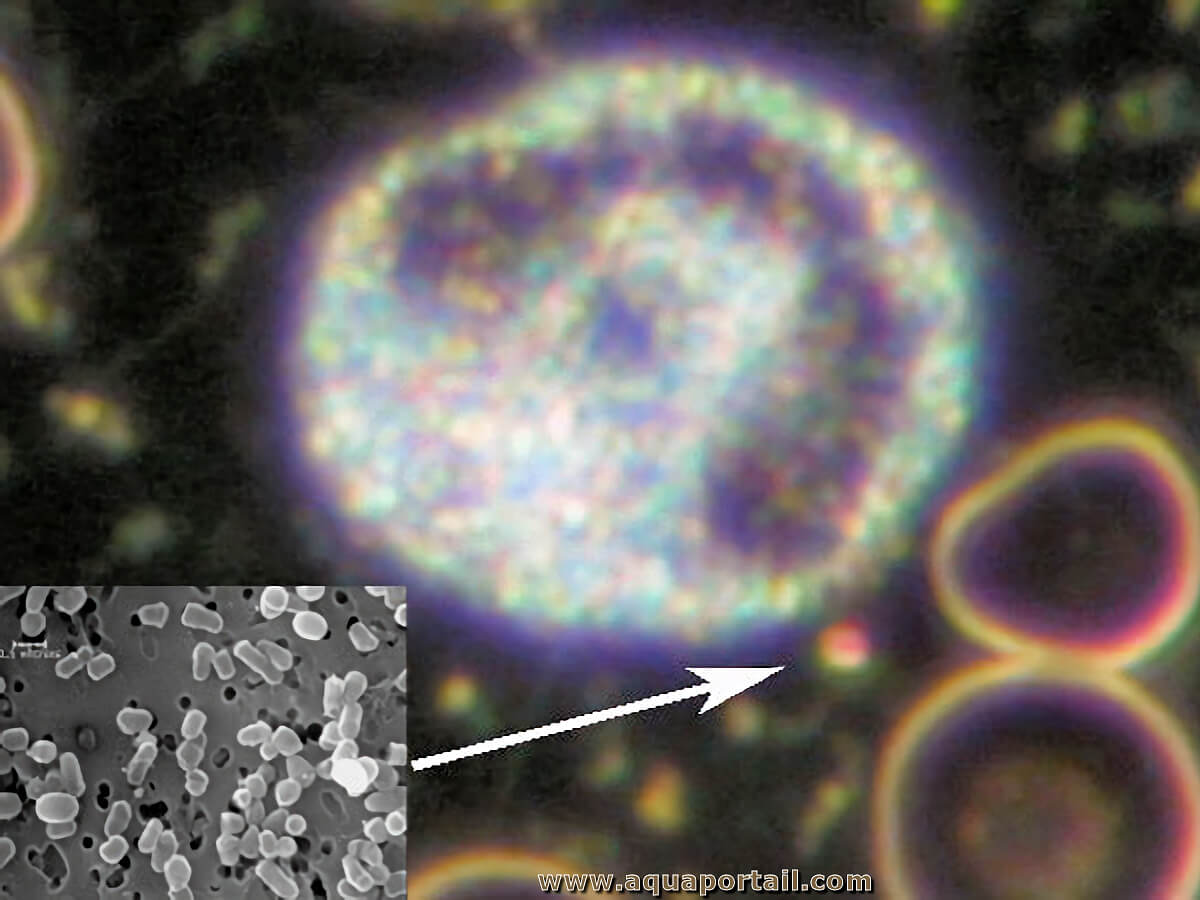
A nanobacterium is a submicron particle initially described as a hypothetical bacterial microorganism the size of a nanobe.
nanobe
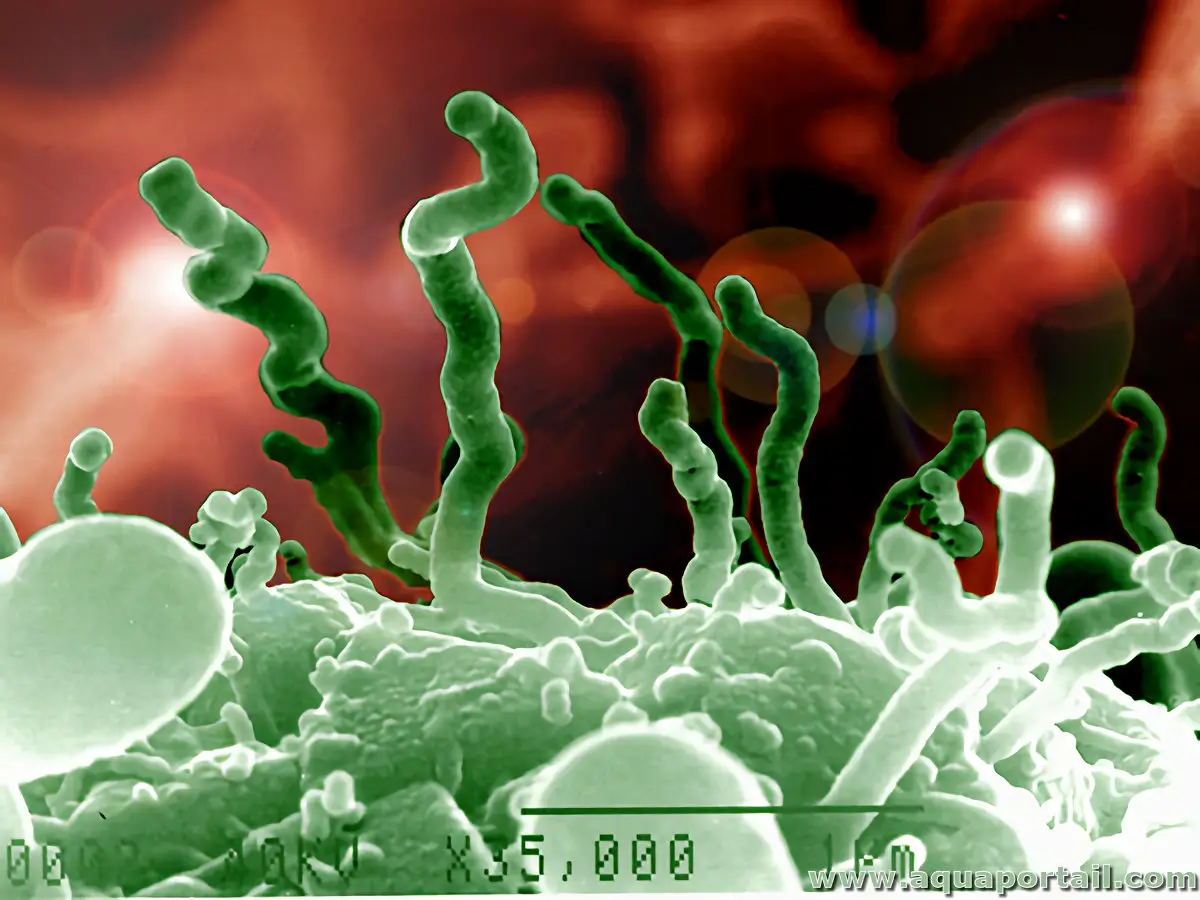
A nanobe is a tiny filamentous structure initially proposed as a hypothetical nanometer-scale microbe discovered in certain rocks and sediments, closely...
natural environment

The natural environment is the environment of nature that characterizes a habitat area with an artificially unmodified biotope, integrating an ecosystem where...
natural swimming pool

The principle of an ecological swimming pool, or natural swimming pool, is relatively simple : private swimming pools are becoming increasingly numerous...
