Rose
noun and adjective (n. / adj.)
Definition
The rose is a popular ornamental flower derived from the family of roses and wild briars. Normally, roses are regarded as cultivars or rose varieties, regardless of flower color. Around 25,000 rose varieties are registered in horticulture.
A pinkish-hued rose:

The rose is the flower of the rosebush, an ornamental plant and sometimes a dye plant or medicinal plant depending on the species, closely related to the sweetbriar.
Explanations
In botany, the rose is the cultivated form of flowers of the genus Rosa, as opposed to wild briar species. In the West, the rose is considered the noblest of flowers. It symbolizes (especially in red) love and romance in the language of flowers.
Many cultivars do not produce fruit, because overly dense petals render the flowers unfertilizable. Roses are propagated vegetatively to preserve varietal purity, and also because different species and hybrids are readily crossed to obtain new varieties.
✅ See details on how to extend the vase life of roses.
✅ See also compass rose.
In roses, flowers are borne singly or in variously structured inflorescences. The hermaphroditic flowers are radially symmetrical. The five (rarely four) green sepals are often more or less leaf-like. The wild form has five showy petals. Stamens are present in all varieties. Most carpels are unfused (apocarpous).
Cultivated floricultural roses are available in every color (except pure blue and pure black) as well as color blends. Green is rare, confined to the rose variety Viridiflora. Many varieties emit a pleasant fragrance in diverse scents: roses are melliferous flowers attracting flying insects.
Many full-bloom varieties are bred for dried flower arrangements, meaning some or all of their stamens are converted into decorative petals.
A blood-red rose:

The red rose is a symbol of love, whereas the white rose symbolizes pure and sincere friendship. The five-part floral arrangement symbolizes the pentagram and thus mystery. Sub rosa dictum means that the rose has been a symbol of secrecy since ancient times.
Rose oil is produced from rose petals, either to create an essential oil or to manufacture rose perfume. Petals of the Provence rose and Damask rose are used for producing rose oil and rose water. Rose oil is the basis of many cosmetics and perfumes. In addition, rose oil is used for therapeutic purposes.
Rose jam can be made from the petals. Candied rose petals can be enjoyed as a dessert. Rose water is used as a culinary ingredient in foods such as marzipan.
The fruits of roses (in fact, clustered achenes, which are the true fruits) are called rose hips. The "pulp" is edible and very rich in vitamins. Many flowering roses do not form rose hips due to summer pruning and deadheading for cut flowers and bouquets.
Synonyms, antonyms
Spanish translation: rosa
5 synonyms (similar meaning) for "rose":
- eglantine
- flower
- pinkish
- rosaceous
- sentimental
0 antonyms (opposite meaning).
Related words and expressions to ROSE are directly connected by general or specific meaning.
The word ROSE is listed on page 1 of words starting with R in the dictionary glossary.
Related to "rose"
rosette

In biology, a rosette refers to the specific arrangement of particles (subunits) in cellulose synthase complexes in streptophytes.
agarose
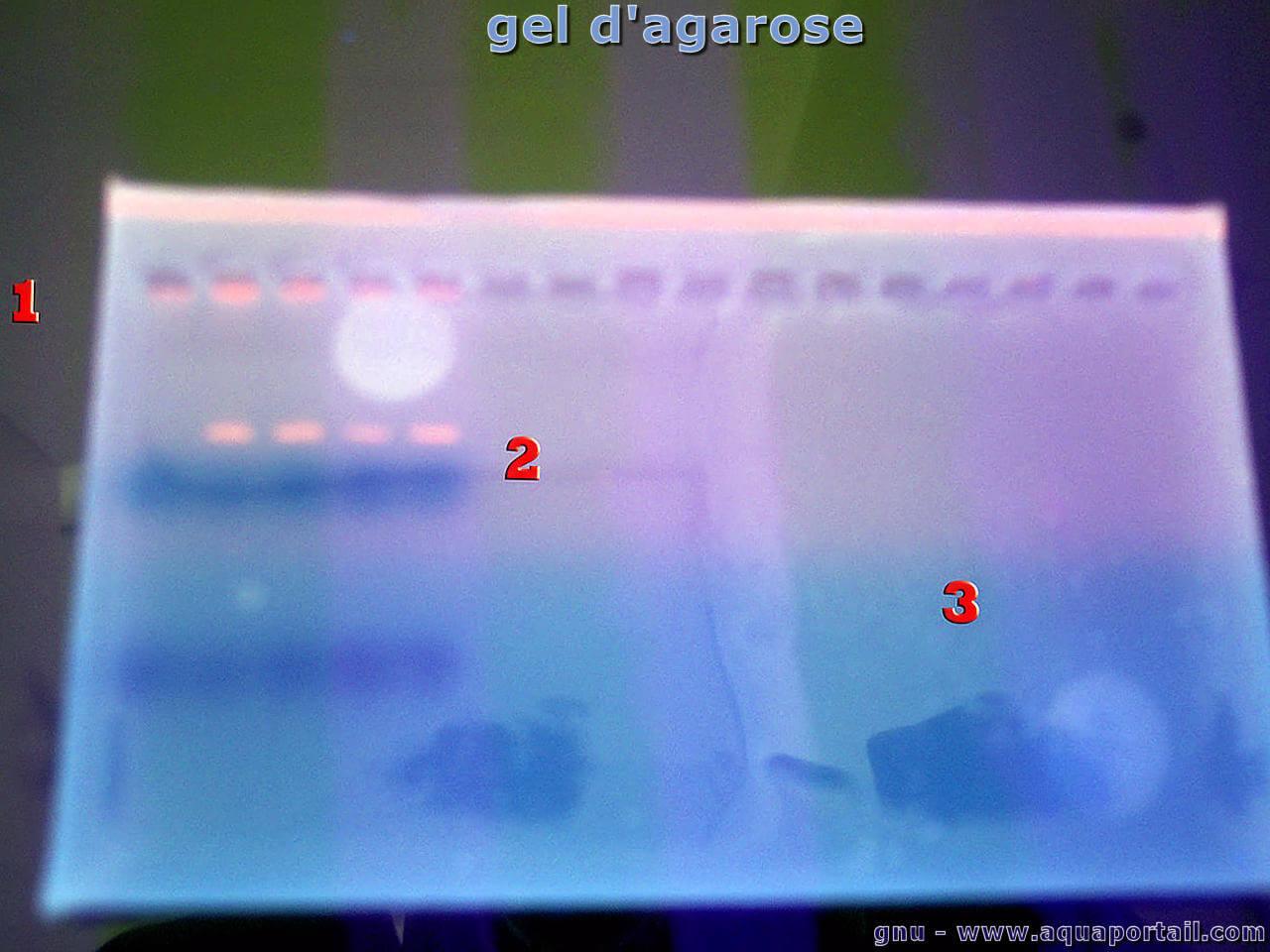
Agarose is a polymer of the agar family with very high gelling power, very low sulfate content, and composed of the regular repetition of a disaccharide unit.
ramulus

A ramulus is a small branching of branches or stems of a plant that has undergone a metamorphosis resulting in growth arrest.
rat

A rat is a rodent mammal resembling a large mouse, generally having a pointed snout and a long, sparsely haired tail.
