Rootlet
noun (n.)
Definition
A rootlet is a small, fine, hair-like secondary lateral root. Rootlets emerge along the main root, forming a dense lattice of very fine secondary root branches. Together, roots and rootlets make up a plant's extensive root system.
The roots and rootlets of a Phyllostachys bamboo:

Rootlets are branches of roots that also contribute to water uptake and facilitate the extraction of nutrients required for plant growth and development. Shown here are the rootlets and roots of a bamboo of the genus Phyllostachys.
Explanations
In scientific terminology, rootlets are called ramus lateralis, literally lateral roots. A radicicolous organism lives on roots and rootlets. The collective mass of rootlets is commonly referred to as fibrous root hair.
A rootlet forms endogenously from within a root, beyond the elongation zone, in partially or fully differentiated root tissue located at a distance from the apical meristem. Rootlets arise through an organogenetic process called rhizogenesis.
Cells of the pericycle (living primary tissue) resume division and form a cone-shaped tissue, the rootlet primordium, which penetrates through the cortex as it grows and develops an apical meristem with a root cap.
The endodermis of the parent root from which the rootlet forms grows and connects with the endodermis of the rootlet. The vascular bundles of the rootlet and the parent root are linked through the connective pericycle, and parenchymatous cells differentiate into xylem and phloem. Rootlets arise in longitudinal rows corresponding in number to the xylem poles of the central cylinder.
The young rootlet grows perpendicular to the parent root from which it develops and subsequently exhibits positive gravitropism. By contrast, a nodal or internodal root exhibits negative gravitropism.
Older roots may begin forming rootlets from the parenchyma of the secondary phloem.
Numerous factors are involved in rootlet formation. Lateral root (rootlet) formation is tightly regulated by plant hormones such as auxin. Increased auxin concentrations occur during the formation of leaf primordia. More leaves require a more extensive root system to maintain water and nutrient balance. Ultimately, more leaves demand more nitrogen and carbon and increase transpiration, so carbohydrates synthesized in the leaves are required for root development.
Precise cell-cycle control can be especially useful: elevated auxin levels (obtained, for example, from willow water), which promote lateral root development, occur when young leaf primordia form and begin synthesizing the hormone. This coordinates root growth with leaf development, establishing a balance between carbon and nitrogen metabolism.
See also radicicolous and radicivorous organisms.
Synonyms, antonyms
Spanish translation: radícula
4 synonyms (similar meaning) for "rootlet":
0 antonyms (opposite meaning).
Related words and expressions to ROOTLET are directly connected by general or specific meaning.
The word ROOTLET is listed on page 1 of words starting with R in the dictionary glossary.
Related to "rootlet"
root

In botany, a plant root is a part of the vegetative apparatus, generally subterranean for rooting though potentially aerial, bounded by a rhizodermis, devoid...
ramulus

A ramulus is a small branching of branches or stems of a plant that has undergone a metamorphosis resulting in growth arrest.
reaction rate

The chemical reaction rate corresponds to the change in concentration of a reactant (taken as a positive value) or a product over time, divided...
recessive
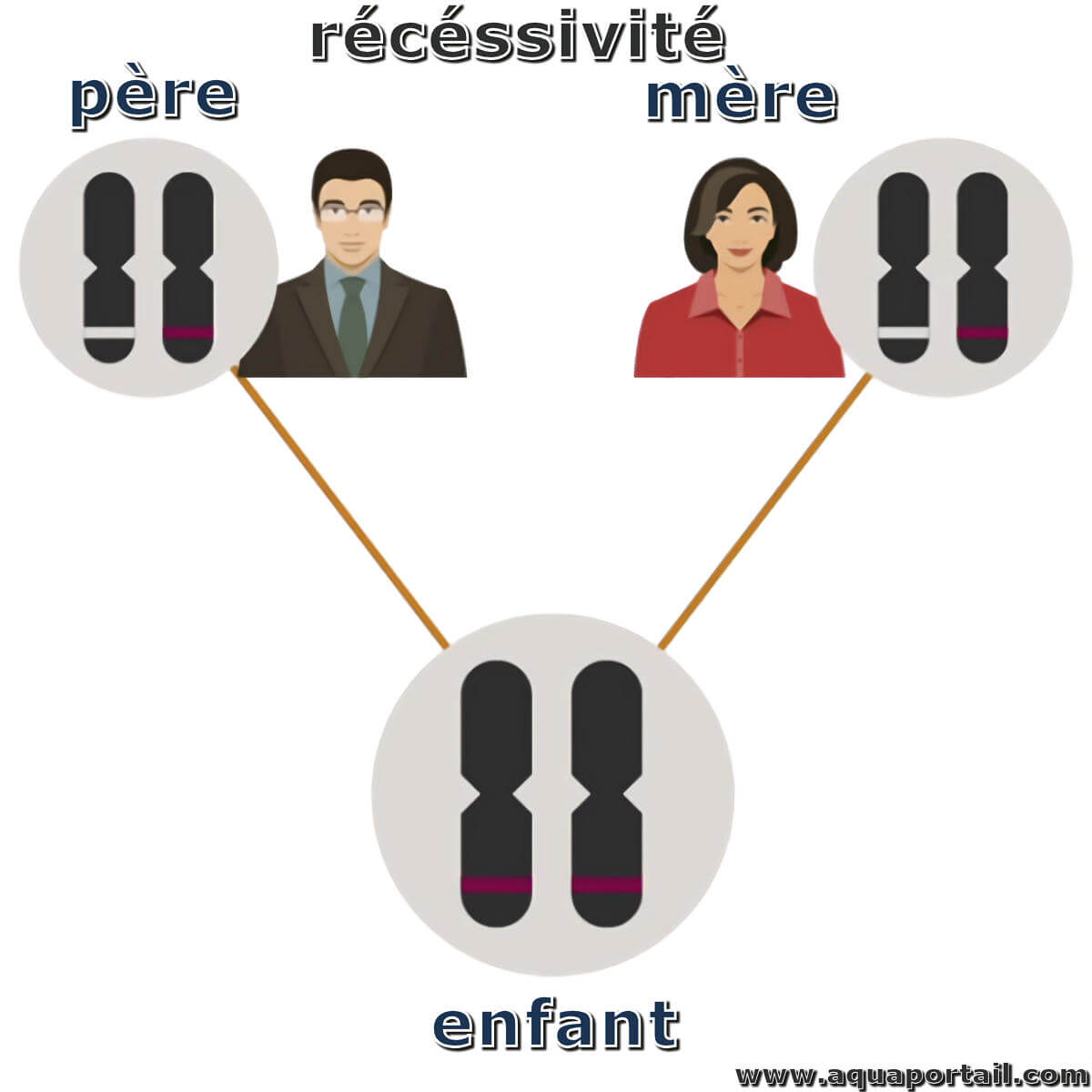
In genetics, a recessive trait refers to an allele or character that is expressed in the phenotype only if the organism is homozygous for the allele.
Simple summary
A rootlet is a small root or fine branch arising from a larger root. Typically found in plants, it contributes to anchoring the plant as well as absorbing nutrients and water present in the soil.
