Reaction rate
noun phrase (n. phr.)
Definition
The chemical reaction rate corresponds to the change in concentration of a reactant (taken as a positive value) or a product over time, divided by its stoichiometric coefficient from the balanced chemical equation. It is studied in chemical kinetics.
Chemical reaction rates:

The reaction rate denotes how fast a chemical reaction takes place, typically measured by the rate at which reactants are consumed or products are formed over a specific period of time.
Explanations
In chemistry, the reaction rate measures how quickly a chemical reaction proceeds. It is typically expressed as the increase in concentration (amount of substance per unit volume) of a product formed over a given period, or the decrease in concentration of a reactant consumed during that same period.
The rate of a chemical reaction is defined in terms of the quantities of reactants consumed or products formed within a specified time interval.
To determine a reaction rate, chemists initiate the reaction and measure the concentration of a reactant or product at successive time intervals. These values are plotted on a graph showing concentration versus time, and the slope of the curve (tangent) yields the instantaneous rate of change in concentration per unit time.
Chemical reaction rates vary widely depending on the nature of the reacting substances, the type of chemical transformation, temperature, and other parameters. In general, reactions involving the combination of ions in solution or free radicals are very fast, whereas reactions requiring the cleavage of strong covalent bonds (shared electron pairs between atoms) are much slower.
For a given reaction, the rate depends on variables such as temperature, pressure (for gases), and reactant concentrations. Over time, reactions slow down as available reactants are depleted. In many cases, adding a catalyst – a substance that lowers the activation energy without being consumed in the overall reaction – substantially accelerates the process.
The rate constant (denoted k), or specific rate constant, is the proportionality factor in the rate law (for instance, v = k[A]α[B]β for a reaction with the balanced equation A + 3B → 2Z) relating the reaction rate to the molar concentrations of the reacting species. Understanding and modeling these dynamics falls within the field of chemical kinetics.
Synonyms, antonyms
Spanish translation: velocidad de reacción
2 synonyms (similar meaning) for "reaction rate":
- chemical kinetics
- reaction kinetics
0 antonyms (opposite meaning).
Related words and expressions to REACTION RATE are directly connected by general or specific meaning.
The expression REACTION RATE is listed on page 1 of words starting with R in the dictionary glossary.
Related to "reaction rate"
concentration

Concentration (geographic) is the clustering of numerous elements around a central location.
chelicerate
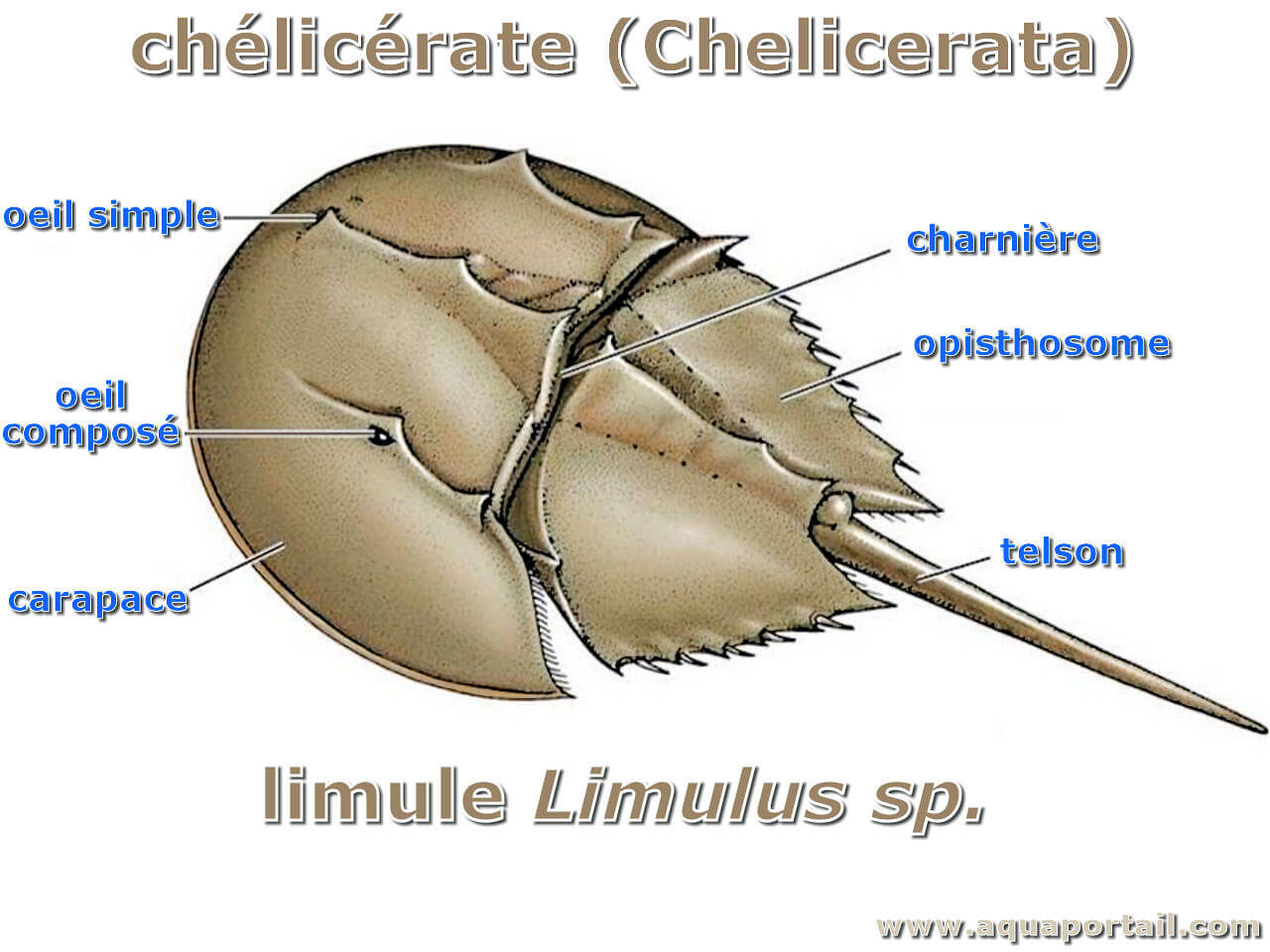
A chelicerate belongs to the subphylum Chelicerata within the phylum Arthropoda. Chelicerates are characterized by the presence of chelicerae...
citrate
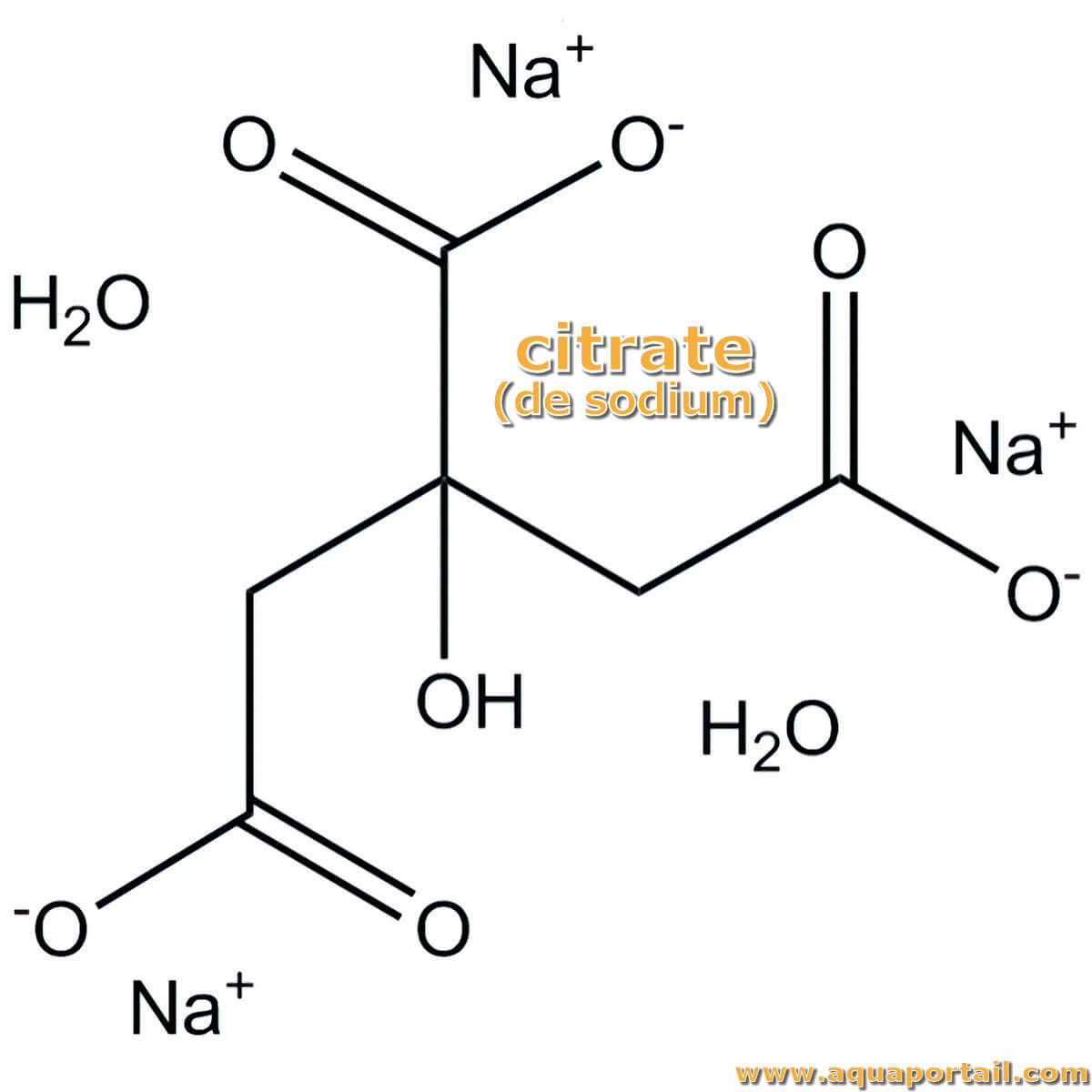
Citrate is a salt or ester of organic citric acid found in lemons and other citrus fruits. It is a key metabolic intermediate in the Krebs cycle, also known...
nitrate

A nitrate (NO₃⁻) is a polyatomic ion representing the final stage in the breakdown of nitrogenous substances by bacteria decomposing organic matter.
Simple summary
The reaction rate is generally quantified based on the change in concentration of a consumed reactant or a formed product over a given time interval. It is commonly expressed in moles per liter per unit time, such as M/s, M/min, or M/h.
