Citrate
noun (n.)
Definition
Citrate is a salt or ester of organic citric acid found in lemons and other citrus fruits. It is a key metabolic intermediate in the Krebs cycle, also known as the citric acid cycle. Citrates can be used as anticoagulants due to their ability to chelate calcium ions.The simplified formula of a citrate ion, an anion derived from citric acid found in citrus fruits, is C6H5O73-. Its monoisotopic mass is 189.005173 Da. Salts of isocitric acid are called isocitrates.
The structure of sodium citrate:
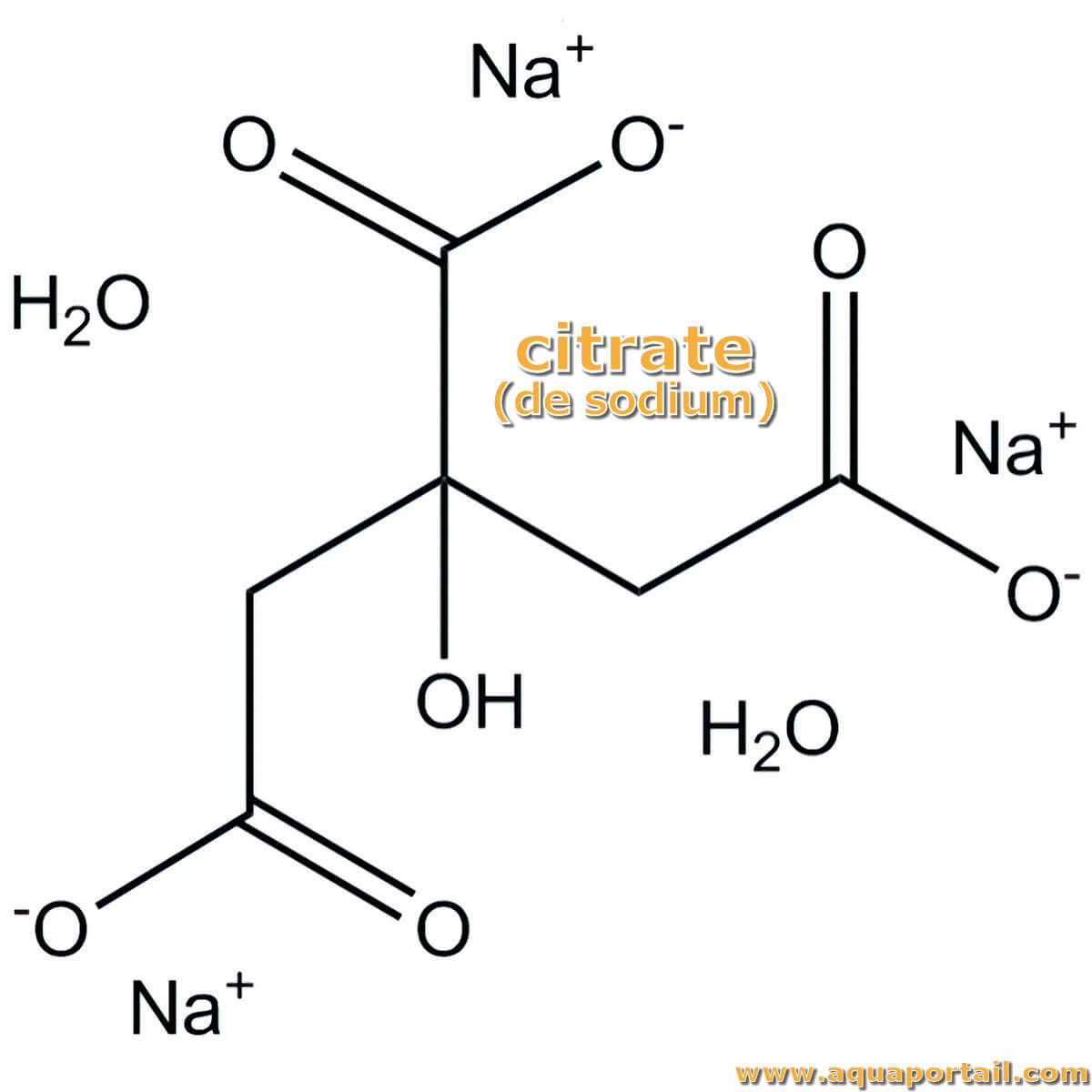
The structure of sodium citrate corresponds to the chemical formula Na3C6H5O7 (trisodium citrate dihydrate). Sodium citrate is commonly used to prepare buffers in molecular biology, and also serves as an anticoagulant, buffering agent, and food preservative.
Explanations
Through its metabolism in the TCA (tricarboxylic acid) cycle, citrate generates substantial energy via the reduction of nicotinamide adenine dinucleotide (NAD+) and flavin adenine dinucleotide (FAD), along with phosphorylation of GDP to guanosine triphosphate (GTP), releasing CO2 in the process.
⭐ Citrate(3-) is a tricarboxylic acid trianion obtained by deprotonation of all three carboxy groups of citric acid. It plays a fundamental role as a metabolite. It is a citrate anion and a tricarboxylic acid trianion; it is the conjugate base of citrate(2-) and the conjugate acid of citrate(4-). Citrate is more readily displaced from mineral surfaces than tannic acid, though less readily than carbonate.
The Krebs cycle with citrate:
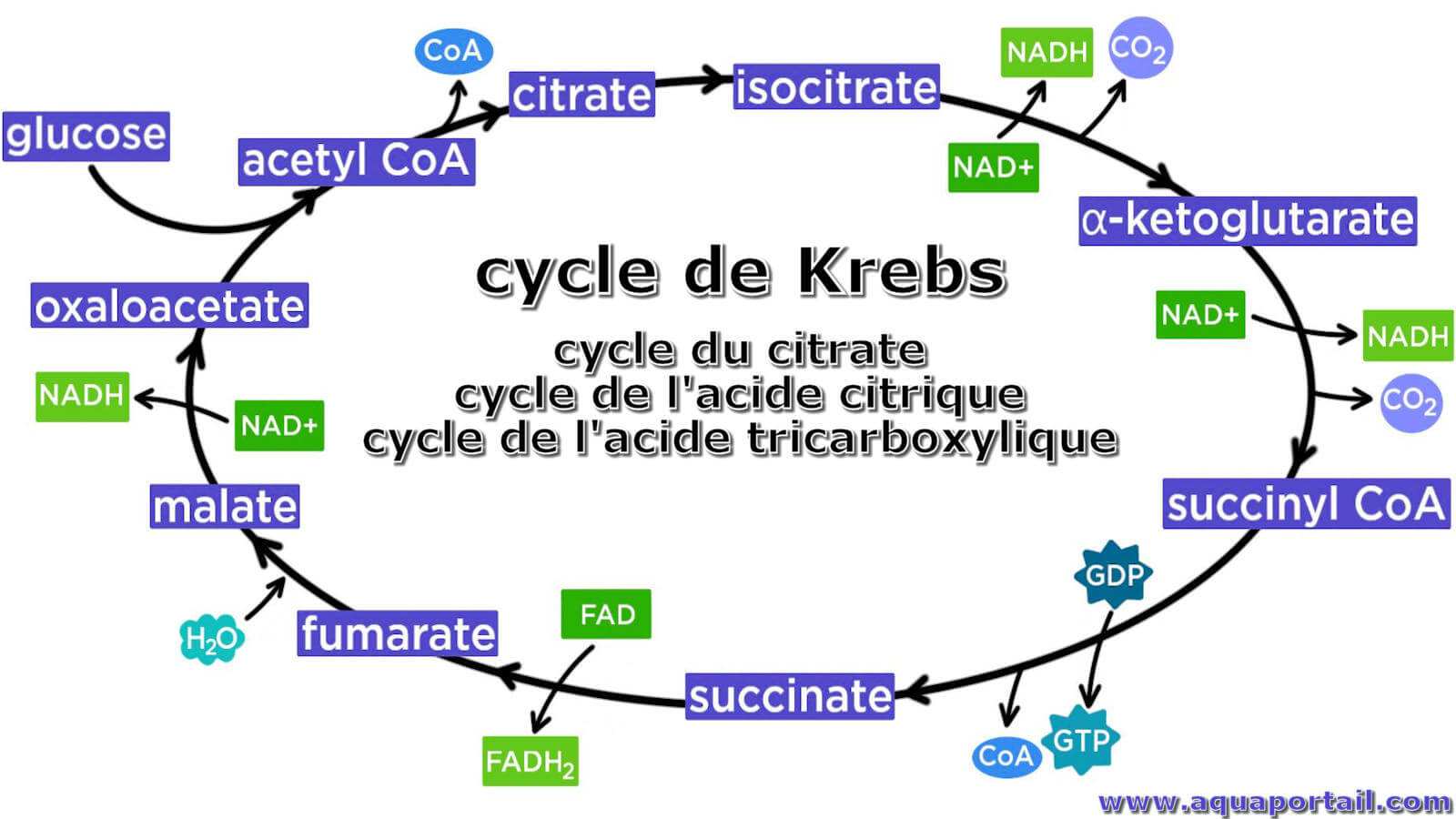
The citric acid cycle is a central engine of cellular respiration.
Uses of citrates
The citrate ion is a preservative and acidulant widely used in the food and beverage industry; for example, carbonated beverages account for roughly 50% of citric acid/citrate production.
In medicine, citrates are used to make urine more alkaline (less acidic), helping prevent certain types of kidney stones. Citrates are sometimes combined with other medications to help treat kidney stones associated with gout, and are also used to alkalinize blood in specific clinical conditions.
Dietary intake of citrate in the form of citrus juices (e.g., lemonade, orange juice) increases urinary citrate excretion, providing a valuable benefit for patients with hypocitraturic calcium oxalate nephrolithiasis.
✅ Citrate is one of the most common stabilizing molecules for metallic nanoparticles. It provides a strongly negatively charged surface that can be displaced by numerous other molecules or ligands such as those with terminal amines or mercapto groups. Citrate is a small molecule bearing multiple carboxylic acid groups that associate weakly with particle surfaces, offering good stability in water and weakly buffered solutions. However, citrate does not provide steric stabilization, and citrate-capped noble metal nanoparticles are prone to aggregation in high-salt solutions and non-aqueous solvents.
Concentrations in citrus fruits
Quantitative analysis revealed that the highest citrate concentration occurred in grapefruit juice (64.7 mmol/L), followed in decreasing order by lemon juice (47.66 mmol/L), orange juice (47.36 mmol/L), pineapple juice (41.57 mmol/L), reconstituted lemonade (38.65 mmol/L), ready-to-consume non-concentrated lemonade (38.24 mmol/L), and cranberry juice (19.87 mmol/L).
All "natural" citrus juices tested exhibited high citrate concentrations (38.3–64.7 mmol/L), with grapefruit juice showing the highest concentration among the beverages analyzed.
Synonyms, antonyms
Spanish translation: citrato
2 synonyms (similar meaning) for "citrate":
0 antonyms (opposite meaning).
Related words and expressions to CITRATE are directly connected by general or specific meaning.
The word CITRATE is listed on page 1 of words starting with C in the dictionary glossary.
Related to "citrate"
nitrate

A nitrate (NO₃⁻) is a polyatomic ion representing the final stage in the breakdown of nitrogenous substances by bacteria decomposing organic matter.
cactus

A cactus is a thick, fleshy plant that grows in many hot, dry regions of the world. Cacti do not have leaves, and many are covered with spines.
caecilian

A caecilian (gymnophione) is a limbless, burrowing, worm-like amphibian whose legs are vestigial or absent.
cancer
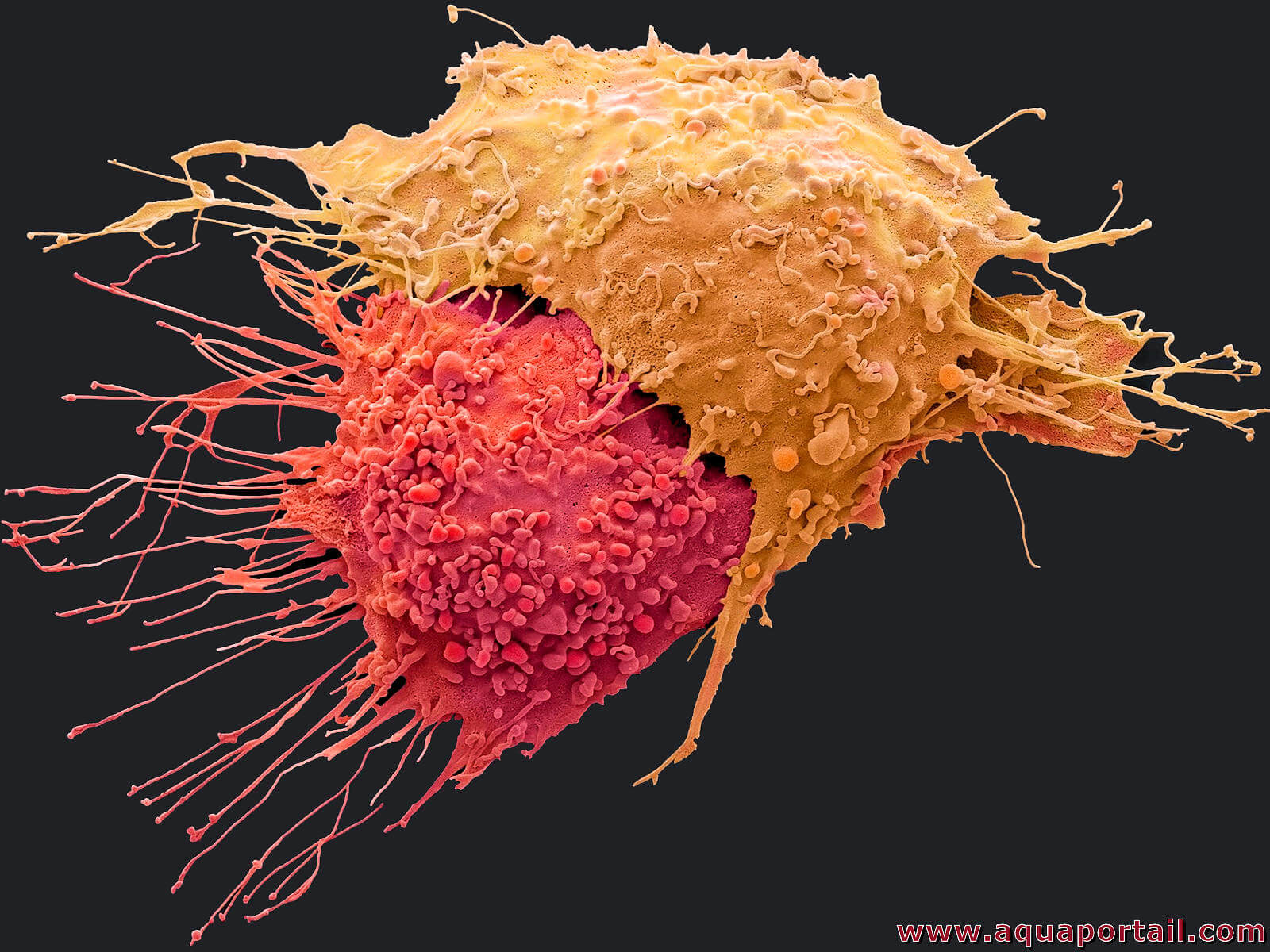
Cancer is a disease in which certain cells of the body grow uncontrollably and spread to other parts of the body.
