Rust
noun (n.)
Definition
Rust is a natural oxidation process that affects ferrous metals, tinting them a reddish-brown color. It results from the surface interaction of iron with oxygen and moisture from the environment. Iron-free metals are impervious to rust, making them ideal for specific uses.Rust on metal:

Rust is a reddish-brown threat that gradually invades many iron-containing metal surfaces. Over time, rust compromises structural integrity and leads to significant repair costs.
Explanations
Rust, scientifically classified as iron oxide, is a specific type of corrosion that primarily affects iron and its alloys, such as steel. It forms through a redox reaction in which iron loses electrons to oxygen in the presence of water or moisture. This simultaneous interaction accelerates the transfer of electrons from iron to oxygen, thus creating rust. This process then weakens structural integrity, leading to functional issues and aesthetic degradation.
Oxidation rust on a ferrous metal:

Metals susceptible to rust include steel, cast iron, mild steel, and wrought iron.
Steel (stainless)
Steel is prone to rust due to its iron-containing alloy composition. Conversely, stainless steel offers greater corrosion resistance thanks to the presence of chromium. Chromium reacts with oxygen before iron does, forming a protective layer of chromium oxide that shields the metal from rust. Stainless steel is specifically engineered for durability and minimal maintenance, making it ideal for numerous industries and applications.
By extension, "white rust" is the light gray patina that develops on lead, aluminum, or zinc. Metals such as aluminum, bronze, and copper do not rust because they contain little or no iron. However, these metals can still corrode under certain conditions.
Consequences
Rust progressively weakens metal by causing a loss of material at its surface. Reduced strength and durability increase the risk of deformation or failure under load. Localized corrosion, such as pitting, concentrates damage further, thereby accelerating degradation.
Uncontrolled rust drastically reduces the lifespan of metal products. This accelerated deterioration requires repairs or replacements, leading to increased costs. Industries reliant on metal infrastructure must prioritize rust prevention to avoid these issues.
The reddish-brown coloration of rust also detracts from the visual appeal of metal surfaces, a key factor in many projects where aesthetics are paramount.
Rust prevention
Applying coatings or paints such as zinc, epoxy, enamel, or polyurethane creates a barrier between moisture and metal surfaces, thus reducing rust formation. Painting rusted metal serves a dual purpose: improving its visual appearance and preventing any further corrosion likely to damage the structure. By understanding the process and choosing the appropriate products, the task can be relatively straightforward, ensuring not only a better appearance but also prolonged protection against rust.
Galvanization is a process that involves coating metal with zinc through methods such as hot-dip galvanizing. Zinc acts as a sacrificial layer that prevents oxygen and moisture from coming into contact with iron.
Use rust inhibitors and perform basic maintenance (including inspecting rust-prone areas) to limit damage and expenses over time.
Favor materials such as stainless steel or aluminum when planning your project. Metallurgy experts can help you select alloys tailored to your specific needs.
Rust converter offers a practical and effective solution for managing corroded surfaces without requiring extensive physical rust removal. This easy-to-use product requires no specialized tools or expertise and effectively halts the progression of rust. It also forms a protective layer, minimizing any subsequent deterioration. Although rust converters do not restore metal to its original state, they stabilize corrosion and provide a surface suitable for further treatments.
While many rust-removal systems use chemicals, certain methods, notably those containing acids, can inadvertently damage the treated object. acid-based strippers can leave stains or degrade materials, making them less suitable for sensitive applications. For a safer alternative, water-based, non-acidic rust removers are strongly recommended. These eco-friendly solutions effectively reduce rust without damaging the material or posing risks to users. Water-based products are gentle on both the object and the user, eliminating hazards such as harmful fumes or side effects. Their non-toxicity makes them a safer and more sustainable choice than traditional chemical methods.
Other meanings
The color rust refers to the brown-to-red hue taken on by a ferrous surface.
In botany, rust is the name for several cryptogamic (fungal) diseases affecting higher plants by causing reddish or brownish spots on leaves, such as uredium.
In cooking, rouille (rust) is a traditional French sauce composed of a blend of egg yolk, olive oil, breadcrumbs, garlic, saffron, and cayenne pepper. It is typically served as a flavorful accompaniment to fish dishes and soups, notably bouillabaisse. This sauce is a staple of Provençal culinary tradition.
Synonyms, antonyms
Spanish translation: herrumbre
1 synonym (similar meaning) for "rust":
0 antonyms (opposite meaning).
Related words and expressions to RUST are directly connected by general or specific meaning.
The word RUST is listed on page 1 of words starting with R in the dictionary glossary.
Related to "rust"
encrusting

What forms a crust or is crust-like in shape is termed encrusting. Certain colonial corals are colonizing or spreading; for example, in the sea, cnidarians...
frustule
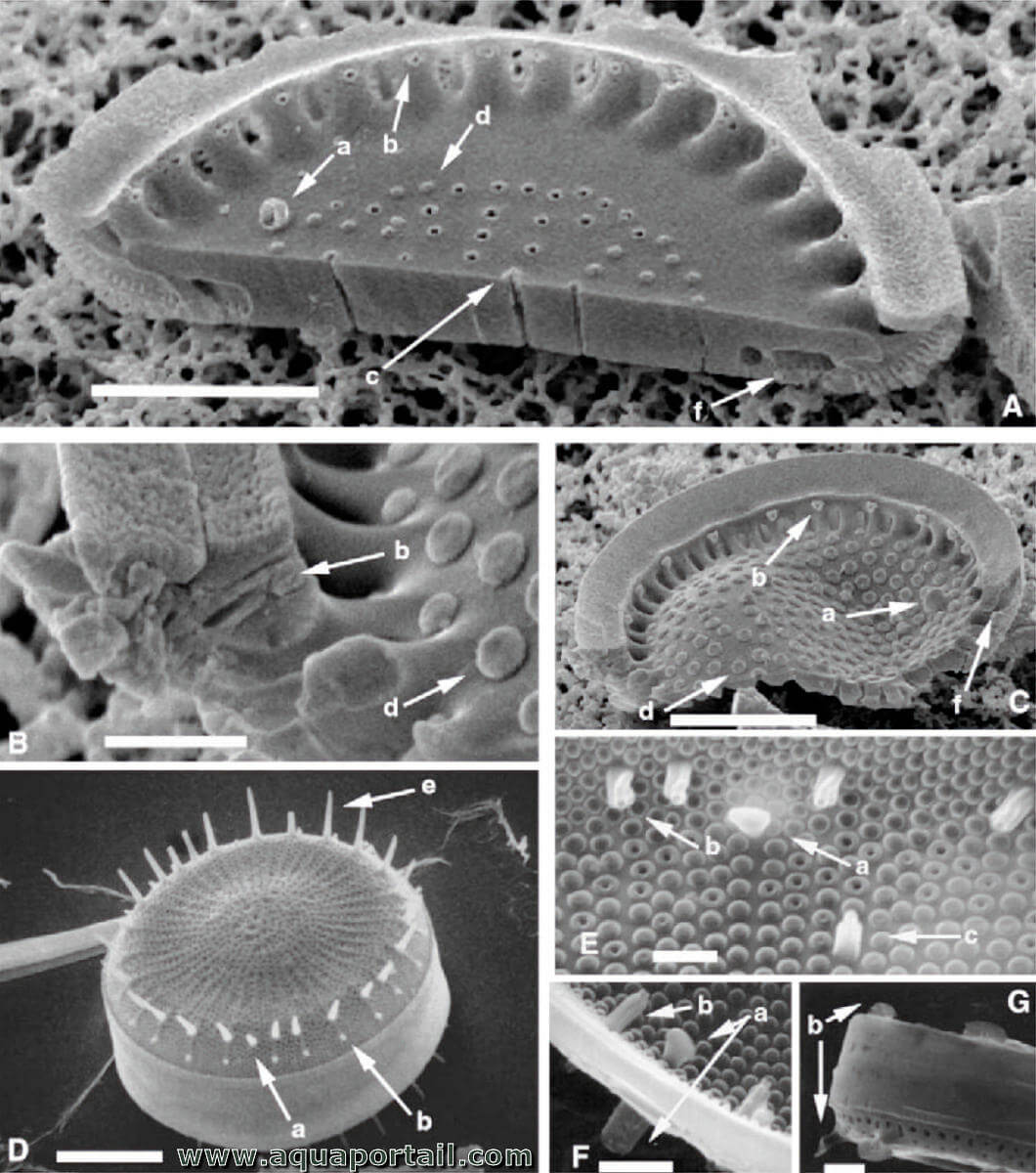
A frustule is a bivalve siliceous structure enclosing a diatom cell, forming the silicified portion of a diatom cell wall.
redox

The redox potential (rH) is the standardized abbreviation for oxidation-reduction potential via an oxidation-reduction reaction.
ramulus

A ramulus is a small branching of branches or stems of a plant that has undergone a metamorphosis resulting in growth arrest.
