Knee
noun (n.)
Definition
The knee is a joint located in the middle of the human leg that forms the articulation between the femur, tibia, and patella. By analogy, the knee also refers to the carpal joint of the foreleg of a quadruped (such as a horse), the tarsal joint of a bird, or the joint between the femur and tibia of an insect.
The anatomy of the knee:

In anatomy, the knee joint connects the femur and the tibia (along with the fibula), with the patella serving a protective role. The main bones involved in the knee are the femur, tibia, and patella. The knee allows various movements such as flexion, extension, and slight rotation, enabling activities like walking, running, jumping, and standing.
Explanations
The knee is one of the most fascinating parts of the human body. Not only is the knee the largest and strongest of joints, it is also the most complex (along with the ankle/heel): an intricate meeting point of bones and tissues that provides flexion and balance under stress.
It endures millions of steps over a lifetime and is regularly subjected to forces representing several times body weight. Along with the ankle, the knee is one of the most frequently injured body parts in soccer.
Common knee problems include ligament sprains or strains, cartilage tears, tendinitis, and arthritis. The location of knee pain can help identify the issue. Pain at the front of the knee may be due to bursitis, arthritis, or softening of the patellar cartilage, as in chondromalacia patellae. Pain on the sides of the knee is generally linked to collateral ligament injuries, arthritis, or meniscus tears.
Bones of the knee
The knee is structured around four key bones. The uppermost is the femur (thigh bone). Below lies the tibia, with the thinner fibula (calf bone) behind it. The patella (kneecap) sits at the front and center of the knee to provide protection against severe impacts to the joint.
The knee is one of the largest and most complex joints in the body. The smaller bone running alongside the tibia (fibula) and the patella are the other bones forming the knee joint.
Meniscus
The meniscus is a tough, rubbery pad of fibrocartilage situated between the femur and tibia. In fact, there are two pads: a C-shaped inner segment, called the medial meniscus, and a U-shaped outer segment (lateral meniscus). The menisci act like shock absorbers for the knee, distributing load across the joint. The most common meniscus injury is a tear, either from acute trauma or progressive wear.
Chondral cartilage
The end of each bone is covered with a smooth substance called chondral (or articular) cartilage. This vital material allows bones to glide smoothly against one another. Unlike the menisci, however, chondral cartilage can begin to wear down with time and age (or alternatively following an acute injury). This degeneration is osteoarthritis.
Knee ligaments
The bones of the knee are connected by ligaments. They act like guy-wires, tightly binding the bones to maintain overall stability. There are two key pairs of ligaments in the knee. The collateral ligaments run along the outside of the joint and control sideways motion (these are the MCL and LCL). The cruciate ligaments cross inside the middle of the joint to control back-and-forth motion (these are the ACL and PCL).
Tendons
Tendons are the thick cords connecting bones to muscles. The main ones in the knee are the quadriceps tendon, which connects the thigh muscles to the patella and helps straighten and extend the joint, and the patellar tendon, which connects the tibia to the patella. Various injuries and conditions can affect knee tendons; the most common include tendinitis, Osgood-Schlatter disease, and tendon tears.
Muscles
Less rigid than tendons yet more flexible, muscles provide the nuanced range of motion, stability, and control expected of the knees. They include the hamstrings (which provide flexion), hip abductors (stability), and the iliotibial band, which runs down the outside of the thigh between the hip and knee.
Synonyms, antonyms
French translation:
genouSpanish translation: rodilla
3 synonyms (similar meaning) for "knee":
- knee joint
- leg joint
- thigh joint
0 antonyms (opposite meaning).
Related words and expressions to KNEE are directly connected by general or specific meaning.
The word KNEE is listed on page 1 of words starting with K in the dictionary glossary.
Related to "knee"
tibia
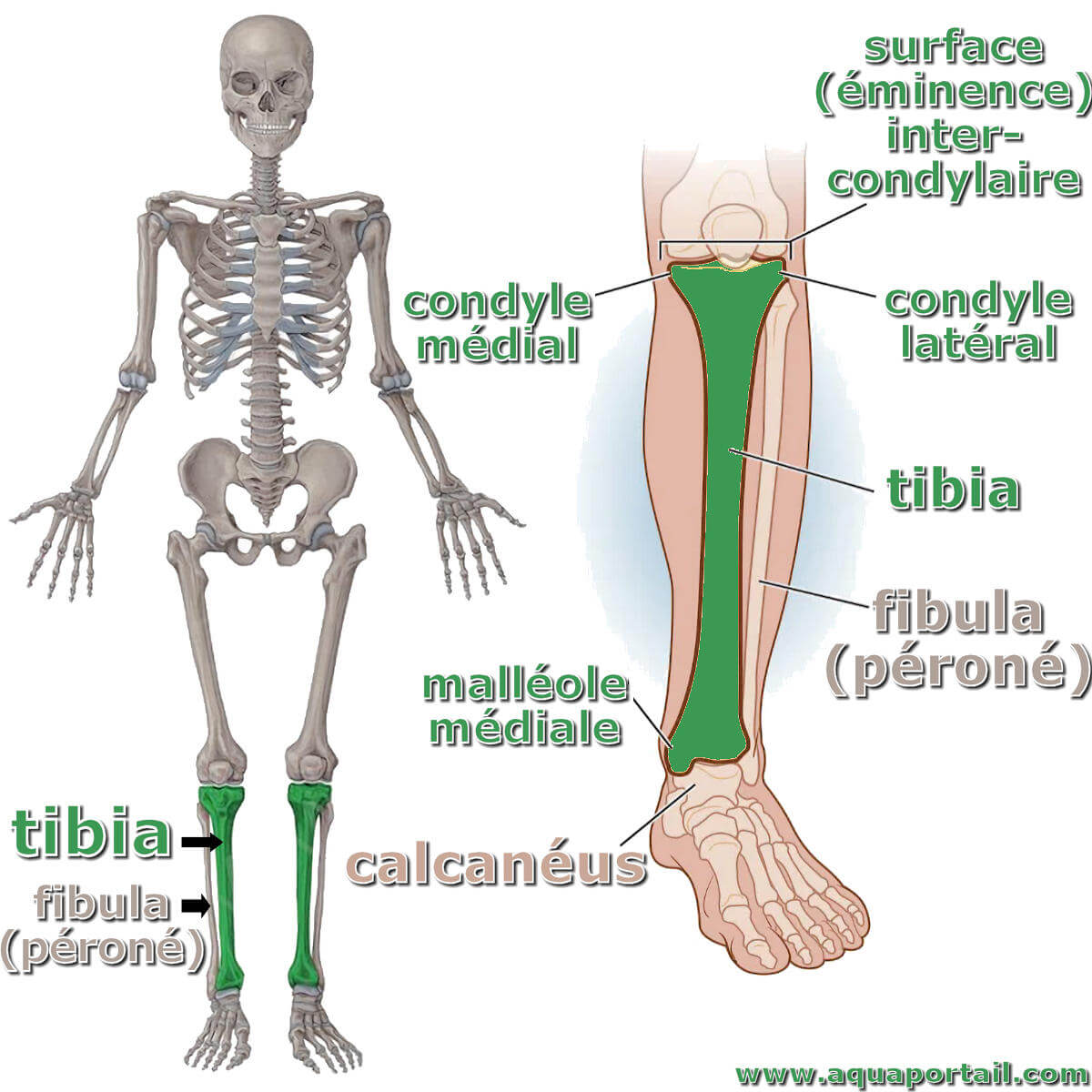
The tibia is a long bone of the lower leg, situated in front of the fibula below the knee. The second largest bone in the body after the femur...
kidney
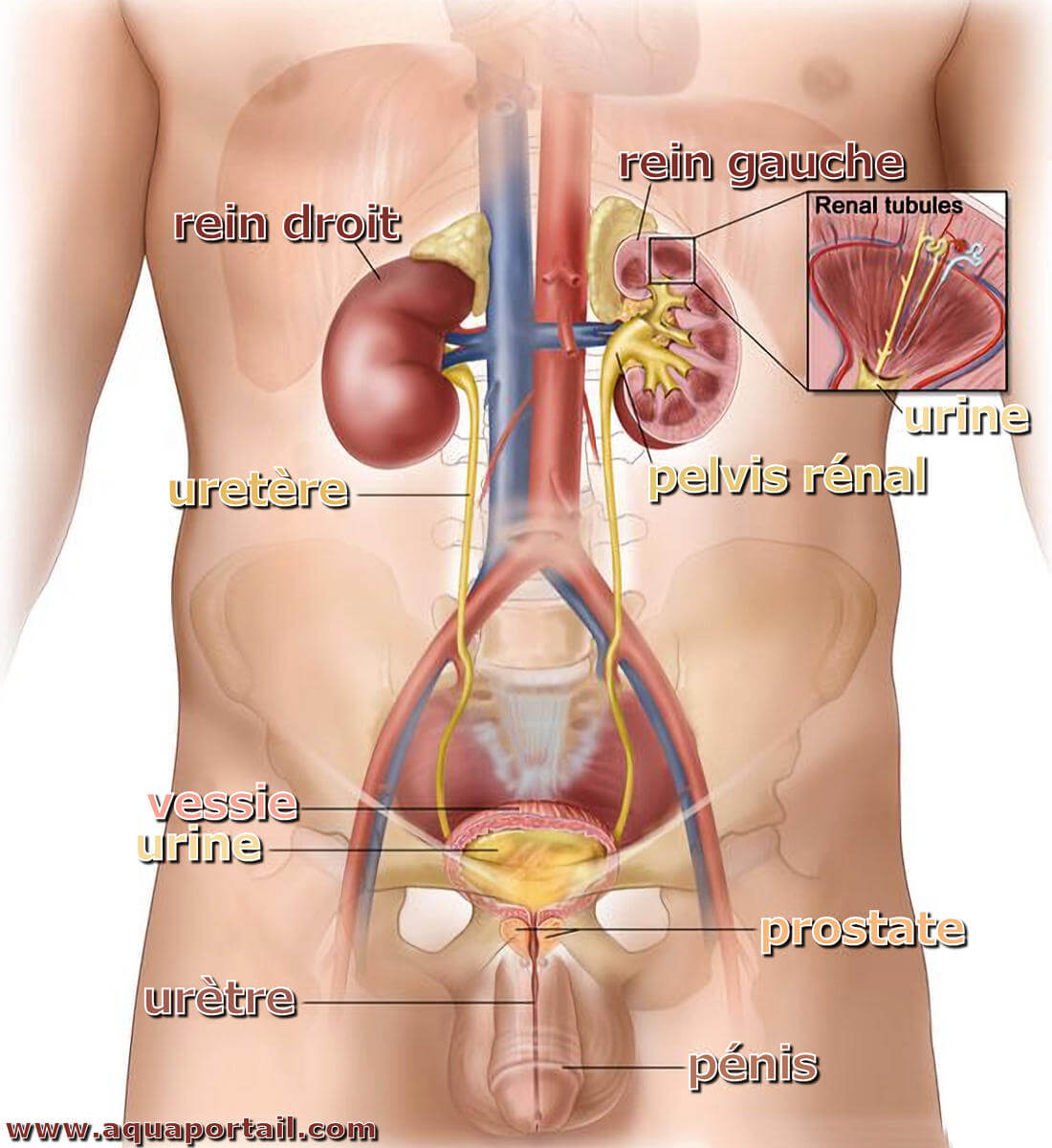
A kidney is one of two bean-shaped, fist-sized organs in the abdomen. A kidney is responsible for removing waste products and excess water from the blood...
killifish

A killifish is an oviparous fish of the family Cyprinodontidae (and Rivulidae). Under this common name, killifish encompass more than 800 species of fish...
klepton
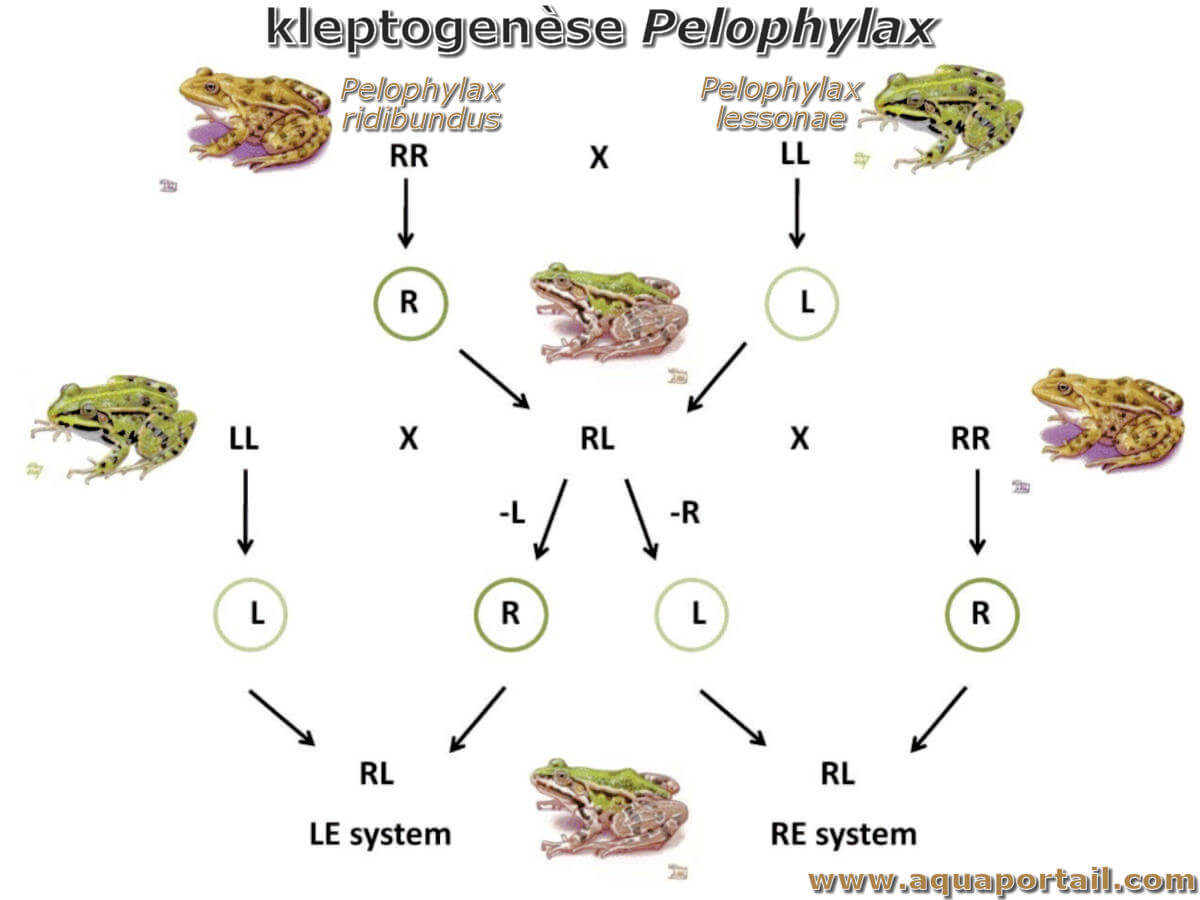
A klepton (kl.) is a unisexual hybrid taxon that requires gametes from another biological taxon to complete its reproductive cycle through hybridogenesis...
Simple summary
The knee is a joint of the human body that connects the thigh and the lower leg. It is composed of several essential structures, notably bones, cartilage, ligaments, and tendons, which work together to facilitate movement and ensure stability.
