Polyneoptera
proper noun
Definition
Polyneoptera, or the superorder Polyneoptera, is a cohort of pterygote insects with two pairs of wings, the forewings being stiffer than the broad hindwings. Most species live close to the ground. The key characteristic uniting Polyneoptera is their wing structure.
The great green bush-cricket Tettigonia viridissima is a polyneopteran:
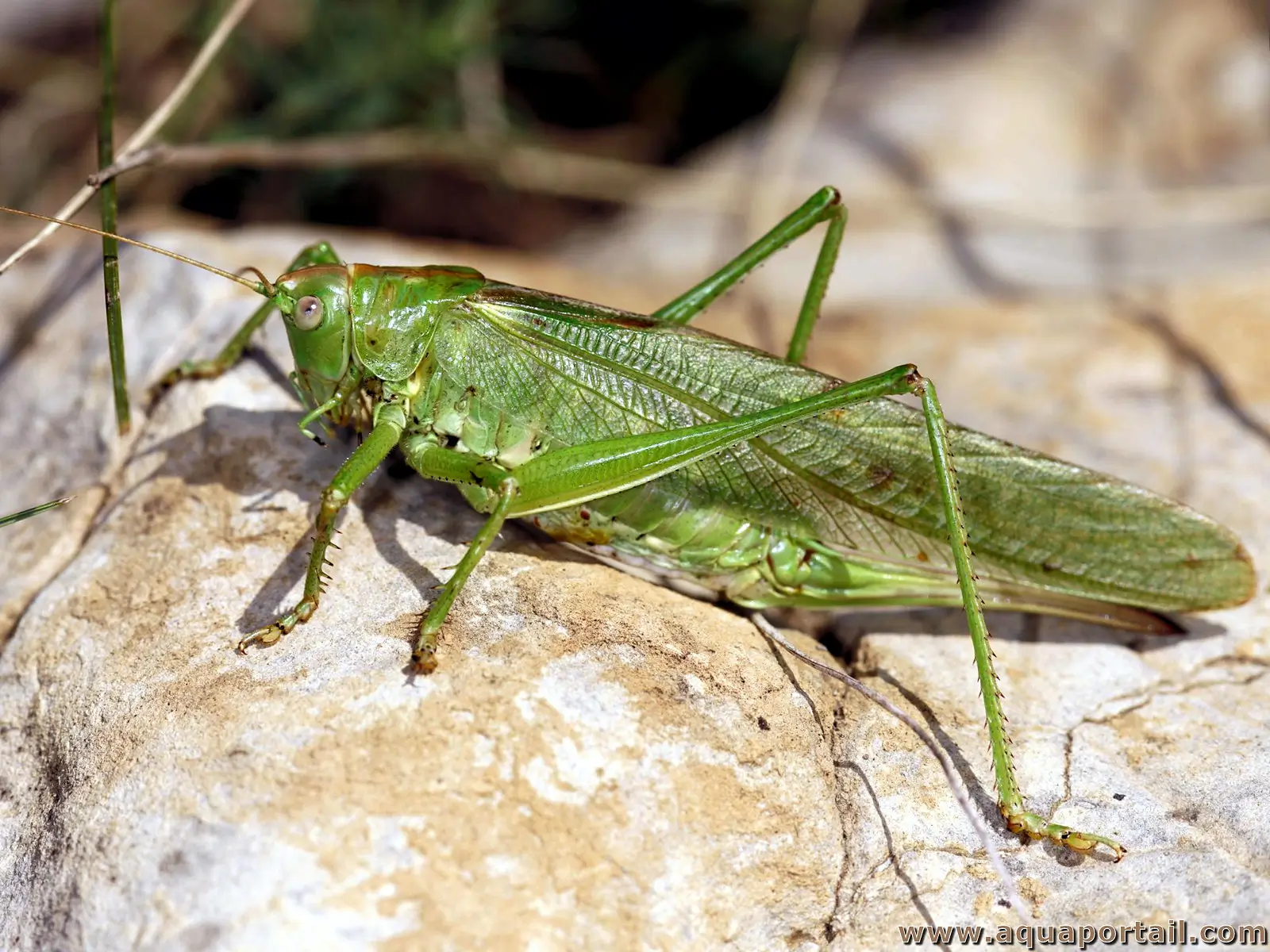
A polyneopteran, such as the great green bush-cricket Tettigonia viridissima, has large, tough, leathery forewings, as seen in all Orthopteroidea for example.
Explanations
Among the best-known members of Polyneoptera are grasshoppers and locusts, crickets, cockroaches, termites, earwigs, stoneflies, and their close relatives. Polyneopterans, being hemimetabolous, develop through incomplete metamorphosis without a pupal stage.
Most species possess two pairs of wings, with the forewings being stiffer (tegmina or hemelytra) than the hindwings. This adaptation is particularly visible in orthopterans, such as grasshoppers and crickets, which use their sturdy forewings for protection when not flying. However, not all representatives have wings; some have secondarily lost them through adaptation to specific ecological niches.
Polyneoptera represents one of the major lineages of winged insects, comprising approximately 40,000 extant species divided into 10 traditional orders:
- Blattodea, cockroaches, termites
- Mantodea, praying mantises
- Orthoptera, locusts, grasshoppers, crickets
- Dermaptera, earwigs
- Embioptera, webspinners
- Grylloblattodea, ice crawlers
- Mantophasmatodea, heelwalkers
- Phasmida, stick insects
- Plecoptera, stoneflies
- Zoraptera, angel insects, small insects less than 2 mm (0.08 in) long.
The evolutionary history of Polyneoptera reflects a vast adaptive radiation that enabled these insects to occupy diverse habitats, ranging from forest floors to grasslands. Chewing mouthparts, typical of many Polyneoptera, are well adapted to varied diets that may include plant matter, decaying organic matter, or even other insects.
Certain groups of Polyneoptera also exhibit remarkable social behaviors. Termites (order Blattodea), in particular, display highly developed eusociality, with complex colony structures involving division of labor among different castes. This social organization contributes greatly to their ecological success, allowing them to efficiently exploit food resources while ensuring colony health and survival.
Many species are essential decomposers; they break down organic matter and participate in nutrient cycling. Others serve as prey for various animals, forming important links in food webs.
Some polyneopteran species are considered agricultural pests due to their consumption of crops. Similarly, termites can cause considerable structural damage by feeding on wood.
Synonyms, antonyms
Spanish translation: Polineópteros
2 synonyms (similar meaning) for "polyneoptera":
0 antonyms (opposite meaning).
Related words and expressions to POLYNEOPTERA are directly connected by general or specific meaning.
The word POLYNEOPTERA is listed on page 1 of words starting with P in the dictionary glossary.
Related to "Polyneoptera"
Hymenoptera
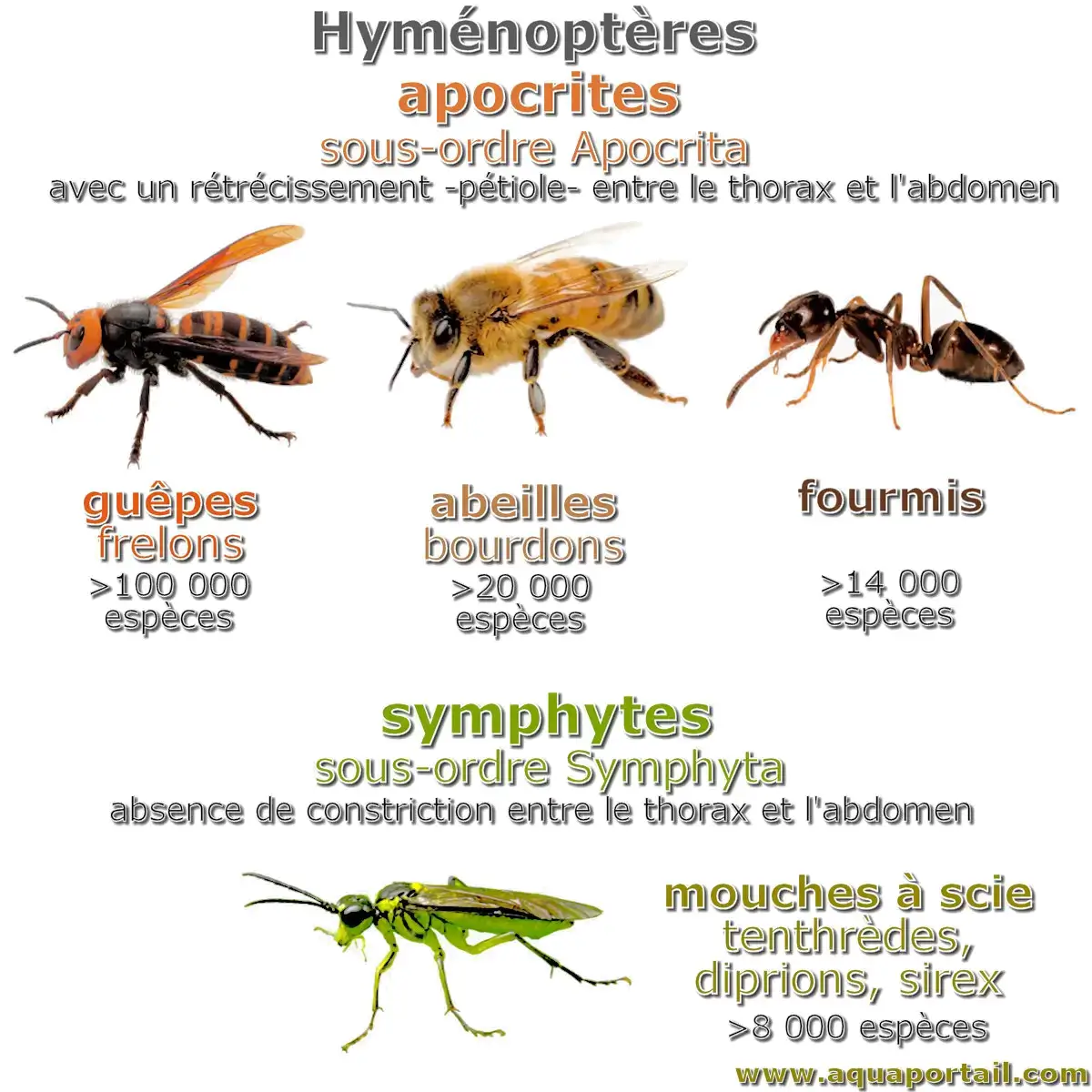
Hymenopterans, order Hymenoptera, are holometabolous insects with four membranous veined wings and a narrow waist (bees, wasps, ants, sawflies).
P680-P700
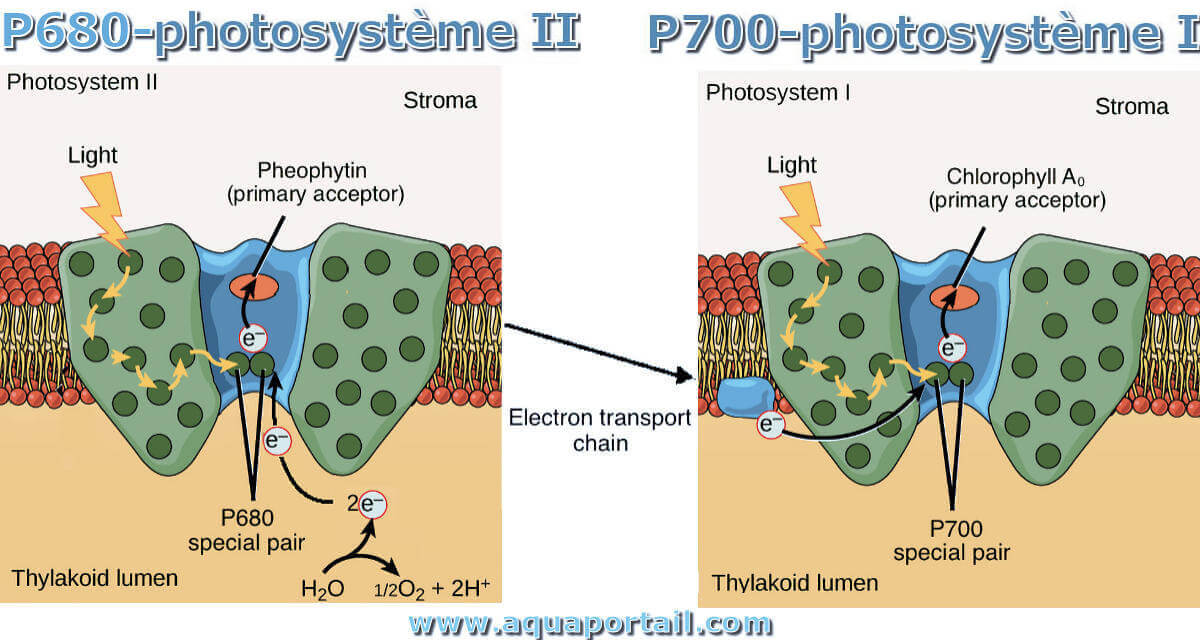
P680-P700 is an association of chlorophyll a molecules absorbing at 680 nm and 700 nm, respectively, possessing particular photochemical properties.
paedomorphosis

Paedomorphosis (juvenilization) is a phylogenetic change involving the retention of juvenile or even larval traits into a later (adult) stage.
painkiller

A painkiller, or analgesic, is a pain reliever, a medication used to soothe or eliminate pain, whether headaches, muscle aches, arthritis, etc.
Simple summary
Polyneoptera constitutes a major superorder of winged insects capable of folding their wings over their abdomen, generally featuring chewing mouthparts, leathery forewings, and hindwings equipped with a broad fan-like anal area. Polyneoptera is a superorder within the infraclass Neoptera.
