Polyalcohol
noun (n.)
Definition
A polyalcohol is an organic chemical compound comprising multiple -OH groups (such as a glycol), as opposed to a monoalcohol. Polyalcohols form a family of sweet-tasting organic chemical compounds associated with hydroxyl groups.
Chewing gums incorporate polyalcohols:

One of the applications of polyalcohols is the formulation of chewing gum sweeteners. Ethylene glycol, glycerol, and sorbitol are examples of polyalcohols, each distinguished by the number and arrangement of its hydroxyl groups.
Explanations
These compounds are chemically regarded as hydrogenated carbohydrates whose carbonyl group (aldehyde, ketone, reducing sugar) has been reduced to a primary or secondary hydroxyl group (an alcohol). Sugar alcohols have the general formula H(HCHO)n+1H, whereas simple sugars (aldoses) have the formula H(HCHO)nHCO. They are used in numerous food applications as sweeteners substituting for sugar (sucrose).
Polyalcohols are also called sugar alcohols or polyols.
✅ Polyalcohols have a reduced caloric content, and their low fermentability does not contribute to the development of dental caries. That is why they are found in chewing gums, toothpastes, etc.
Most common polyalcohols
The most common polyalcohols are:
- with 2 carbon atoms:
- with 3 carbon atoms:
- with 4 carbon atoms:
- with 5 carbon atoms:
- arabitol (arabinitol)
- xylitol
- ribitol (adonitol)
- with 6 carbon atoms:
- mannitol
- sorbitol
- dulcitol (galactitol)
- fucitol
- iditol
- inositol
- with 7 carbon atoms:
- with 12 carbon atoms:
Food additives
As a group of sweeteners, this type of compound generally exhibits a sweetening power lower than or close to that of sucrose (table sugar). They also have a low caloric content by comparison. Their taste is similar to that of ordinary sugar, and they can be used to mask aftertastes caused by certain intense sweeteners. Polyalcohols are not metabolized by oral bacteria, making them ideal for use as pharmaceutical sweeteners while justifying their preventive use against oral pathologies caused by dental plaque. They do not brown when heat is applied (Maillard reaction), unlike reducing sugars.
In general, they are highly water-soluble and most are less sweet than sucrose, although short-chain glycerol is slightly bitter at high concentrations.
Some of them, such as sorbitol and xylitol, can induce a cooling sensation in the mouth (chemesthesis) when present in specific amounts. This is the case in chewing gum and candies. This sensation occurs with the crystalline phase of sorbitol, erythritol, xylitol, mannitol, lactitol, and maltitol, and is due to a slight endothermic reaction upon dissolution in the mouth.
Sugar alcohols are not completely absorbed into the bloodstream from the small intestine, leading to minimal changes in blood glucose, or at least on a smaller scale than sugar. This property makes them suitable sweeteners for diabetics or individuals following a low-calorie diet. However, like other substances that are not fully digested, excessive consumption produces bloating, diarrhea, and flatulence due to poor absorption in the small intestine. Some people experience these symptoms even at small doses. With continued use, people acquire a degree of tolerance to sugar alcohols.
⭐ Exceptionally, erythritol is largely absorbed in the small intestine and excreted unchanged in the urine. This polyalcohol therefore generally does not cause these side effects when consumed in moderation.
Synonyms, antonyms
Spanish translation: polialcohol
3 synonyms (similar meaning) for "polyalcohol":
1 antonym (opposite meaning):
Related words and expressions to POLYALCOHOL are directly connected by general or specific meaning.
The word POLYALCOHOL is listed on page 1 of words starting with P in the dictionary glossary.
Related to "polyalcohol"
polyol

A polyol is an organic chemical compound characterized by the presence of multiple alcohol groups.
glycolate
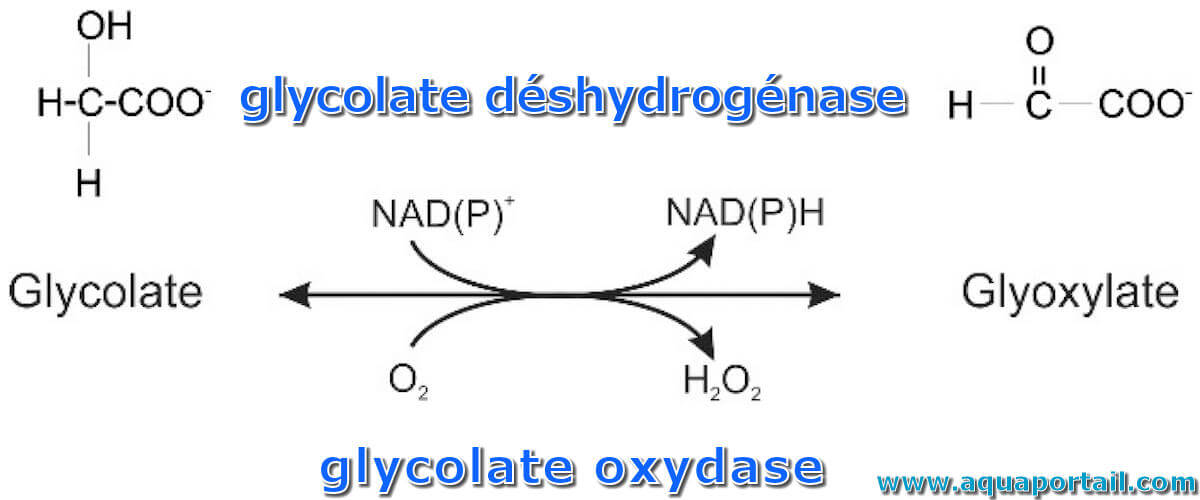
A glycolate is a salt, ester, or conjugate base of glycolic acid derived from an acetate. Glycolate is a hydroxy monocarboxylic acid anion that is an acetate...
P680-P700
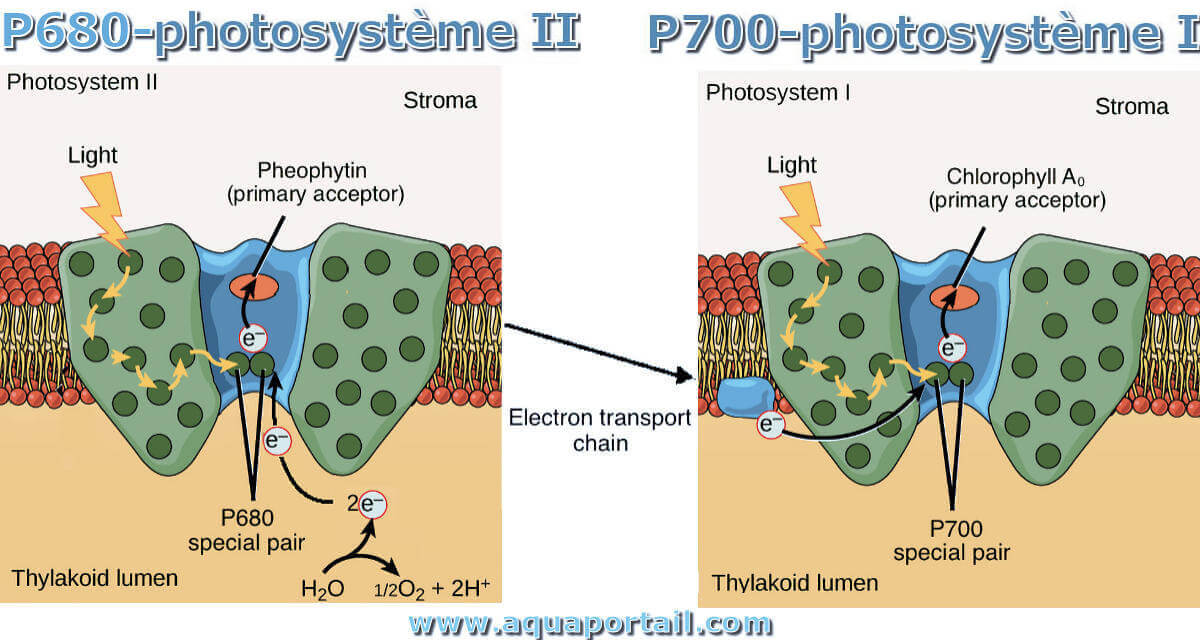
P680-P700 is an association of chlorophyll a molecules absorbing at 680 nm and 700 nm, respectively, possessing particular photochemical properties.
paedomorphosis

Paedomorphosis (juvenilization) is a phylogenetic change involving the retention of juvenile or even larval traits into a later (adult) stage.
Simple summary
A polyalcohol, also called a polyol, is a chemical compound characterized by the presence of multiple hydroxyl (−OH) functional groups attached to its molecular structure. These compounds are generally derived from hydrocarbons, where hydrogen atoms are replaced by hydroxyl groups.
