Polyphyletic
adjective (adj.)
Definition
A polyphyletic classification groups living organisms that do not share an exclusive common ancestor. A polyphyletic group brings together subgroups of organisms whose nearest common ancestors are distinct from one another. Stated otherwise, polyphyly characterizes an artificial lineage having more than one evolutionary origin.
In phylogeny, a polyphyletic group does not include the most recent common ancestor of all its members; it is formed by the artificial union of scattered branches of the evolutionary tree.
Phyletic tree with monophyletic, paraphyletic, and polyphyletic branches:

In this phyletic tree, the polyphyletic branch is a grouping of taxa that is neither monophyletic nor paraphyletic, forming an artificial assemblage, unlike a holophyletic clade.
Explanations
Historical examples of polyphyletic groups include algae, sporozoans, and ungulates (in the traditional sense). Polyphyletic groups are universally rejected in modern classifications, although out of inertia they are still used in general works and even textbooks.
They result from errors in interpreting relatedness, the criterion used to classify living things. They are explained by the presence of shared traits acquired independently through evolutionary phenomena such as convergent evolution or parallelism.
⭐ See monophyletic and paraphyletic (heterophyletic) groups, and holophyletic.
A hypothetical taxon "winged animals" consisting of birds, bats, and insects would be polyphyletic, because the common ancestor of these three groups was not a "winged animal". A well-known former polyphyletic taxon is Pachydermata ("thick-skinned"), which once grouped elephants, rhinoceroses, and hippopotamuses. Because the subgroups of such a taxon are not one another's closest relatives, it is also called an "unnatural group".
Polyphyletic taxa are distinguished from monophyletic taxa (where a taxon consists of all descendant species of a common ancestor, including the ancestor itself) and paraphyletic taxa (where the ancestor belongs to the taxon, but not all of its descendants).
In modern taxonomy, particularly in the field of cladistics, the goal is to work as much as possible with monophyletic taxa. Many earlier classifications are therefore considered obsolete. The ability to compare the DNA of organisms has accelerated this revision process.
Synonyms, antonyms
Spanish translation: polifilético
0 synonyms (similar meaning) for "polyphyletic".
0 antonyms (opposite meaning).
Related words and expressions to POLYPHYLETIC are directly connected by general or specific meaning.
The word POLYPHYLETIC is listed on page 1 of words starting with P in the dictionary glossary.
Related to "polyphyletic"
paraphyletic

Paraphyletic, as opposed to monophyletic, describes a group of living organisms that contains some (but not all) of the descendants of an ancestor (which...
polyphenol
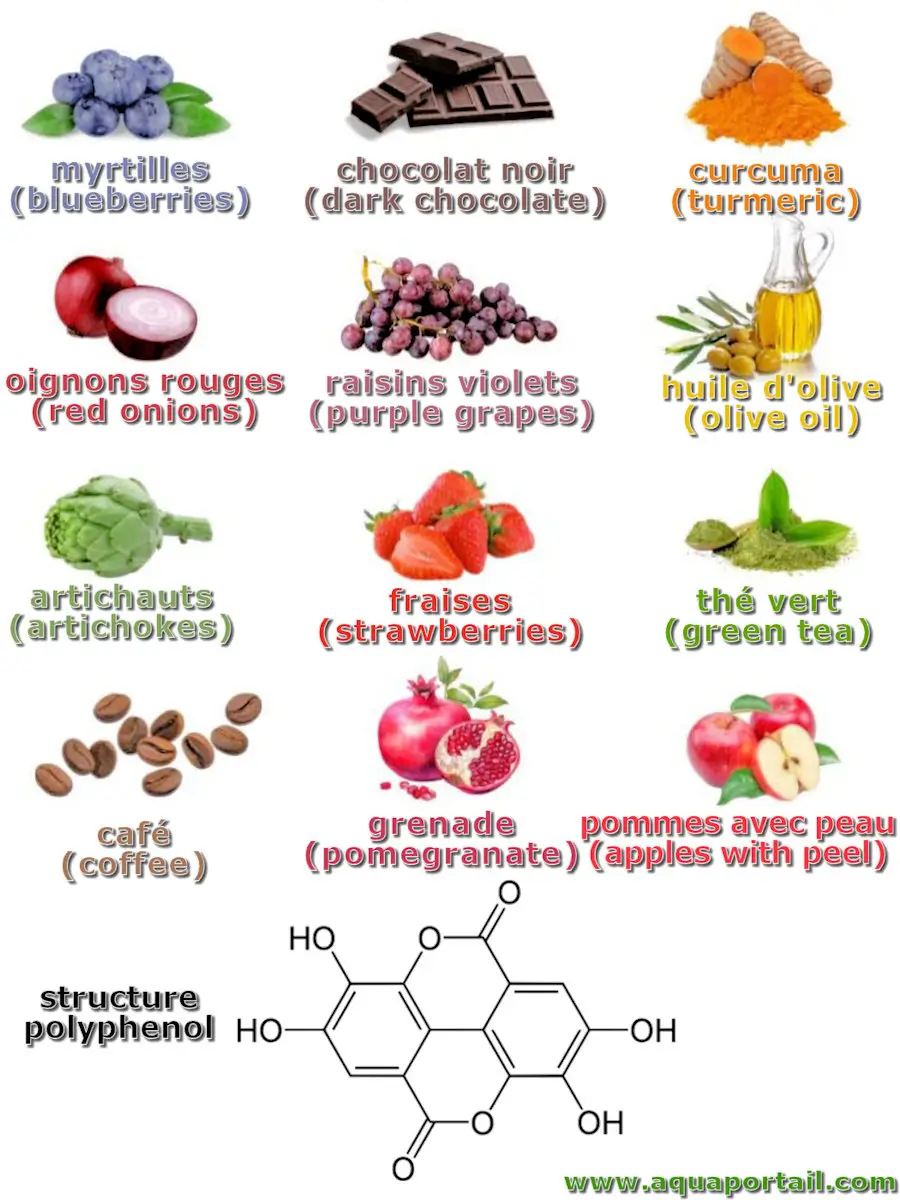
Polyphenols form a group of chemical substances naturally present in plants, characterized by the presence of more than one phenol group per molecule.
polyphenolic
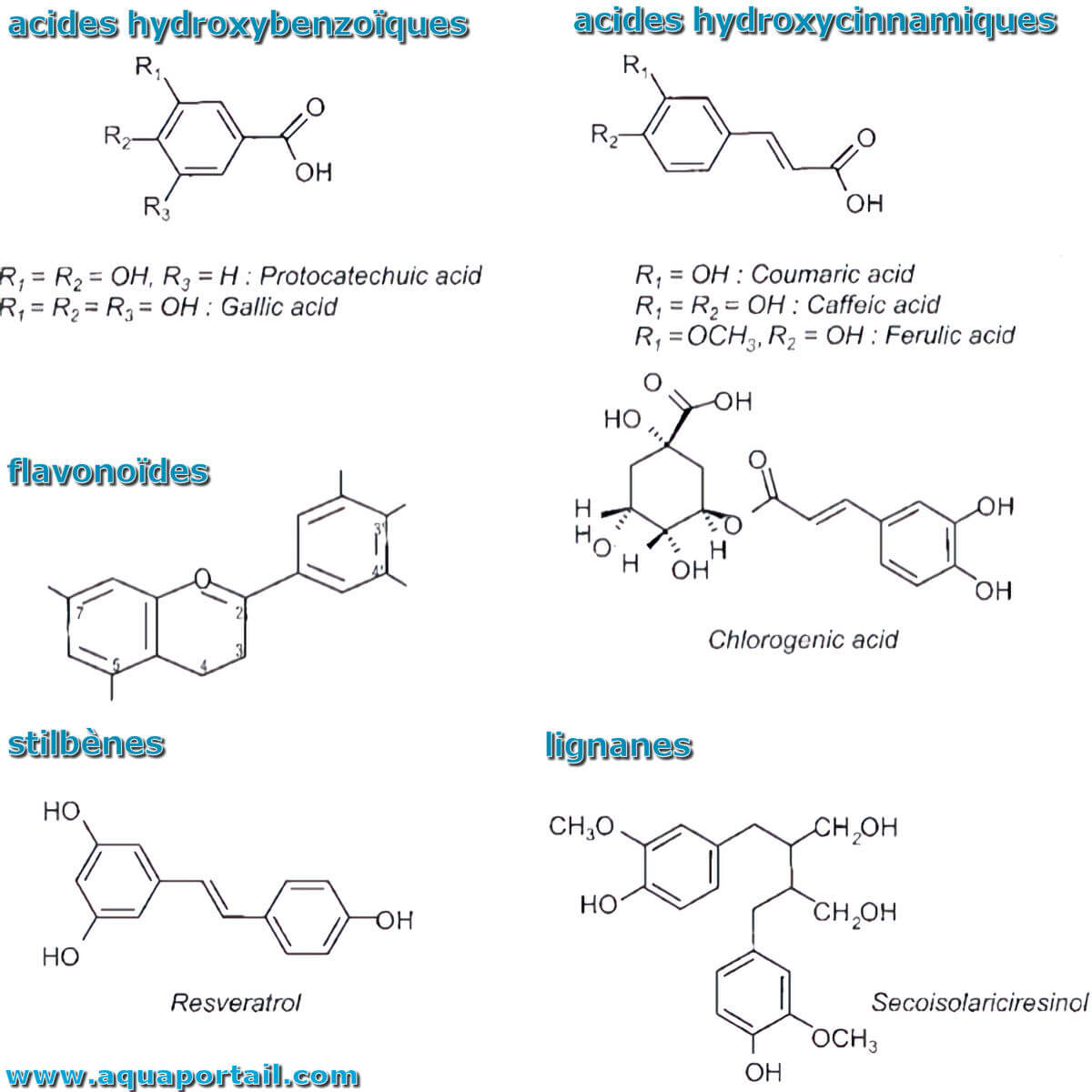
What is polyphenolic relates to polyphenols, bearing multiple phenolic groups, and refers notably to polymers (oligomers) of phenolic nature contained...
polyphyllous

In botany, a polyphyllous plant is one whose leaves, fronds, or leaflets are numerous. A large fern such as the royal fern Osmunda regalis is a polyphyllous...
