Phenol
noun (n.)
Definition
Phenol is an organic substance containing a benzene ring bearing a hydroxyl group (-OH). A phenolic derivative is a synthetic or natural substance derived from phenol. The molecular formula of phenol is: C6H5OH.

The best-known chemical phenols are probably bisphenol A (BPA) found in plastics, as well as toluene, petroleum, benzene, coal tar, and xylenol.
Explanations
See, for example: an alkylphenol, bisphenol, a polyphenol. Note that phenology is not the study of phenols, but the study of periodic phenomena marking an organism's life cycle.
Description and properties
Phenol is both a manufactured chemical and a natural substance. It is a colorless to white crystalline solid when pure. The commercial product is often a liquid.
Phenol has a distinct odor that is sweet and tarry. Phenol can be tasted and smelled at concentrations lower than those associated with harmful effects.
Phenol evaporates more slowly than water, and a moderate amount can form a solution with water. Phenol can catch fire; it is combustible. It must be heated before ignition can readily occur.
Liquid phenol appears as a colorless liquid when pure, otherwise pink or red. Its vapors are heavier than air. It does not react with water and remains stable during normal transport. It is reactive with various chemicals and can be corrosive to lead, aluminum and its alloys, certain plastics, and rubber.
Phenol is a hydroxylated organic compound consisting of benzene bearing a single hydroxy substituent. It is the parent compound of the phenol class. It acts as a disinfectant, antiseptic, human xenobiotic metabolite, and mouse metabolite. It is the conjugate acid of a phenolate.
Uses
Phenol is primarily used in the production of phenolic resins and in the manufacture of nylon and other synthetic fibers. It is also used in slimicides (antimicrobial agents that kill bacteria and fungi in sludges), as a disinfectant and antiseptic, and in medicinal preparations such as mouthwashes and sore throat lozenges.
Phenol is an antiseptic that also acts as an exfoliating agent on skin tissues, used in dermatology for acne-prone or aging skin.
Problems with phenols
Phenol is considered fairly toxic to humans through oral exposure. Anorexia, progressive weight loss, diarrhea, dizziness, salivation, dark-colored urine, and blood and liver effects have been reported in chronically (long-term) exposed humans.
Corrosive to the skin, it nevertheless numbs rather than burns immediately due to its anesthetic qualities. Upon contact, the skin may turn white. Phenol can be fatal through skin absorption.
The drop in blood pressure after high doses of phenol is due to depression of the myocardium and dilation of blood vessels. At low doses, the increase in blood pressure is due to stimulation of the heart muscle or vasomotor center.
Minimal or no sedation is generally required, as phenol injection is painless due to its immediate local anesthetic properties. This contrasts with alcohol, which can be extremely painful upon injection.
Synonyms, antonyms
Spanish translation: fenol
4 synonyms (similar meaning) for "phenol":
- benzenol
- carbolic acid
- hydroxybenzene
- phenic acid
0 antonyms (opposite meaning).
Related words and expressions to PHENOL are directly connected by general or specific meaning.
The word PHENOL is listed on page 1 of words starting with P in the dictionary glossary.
Related to "phenol"
bisphenol
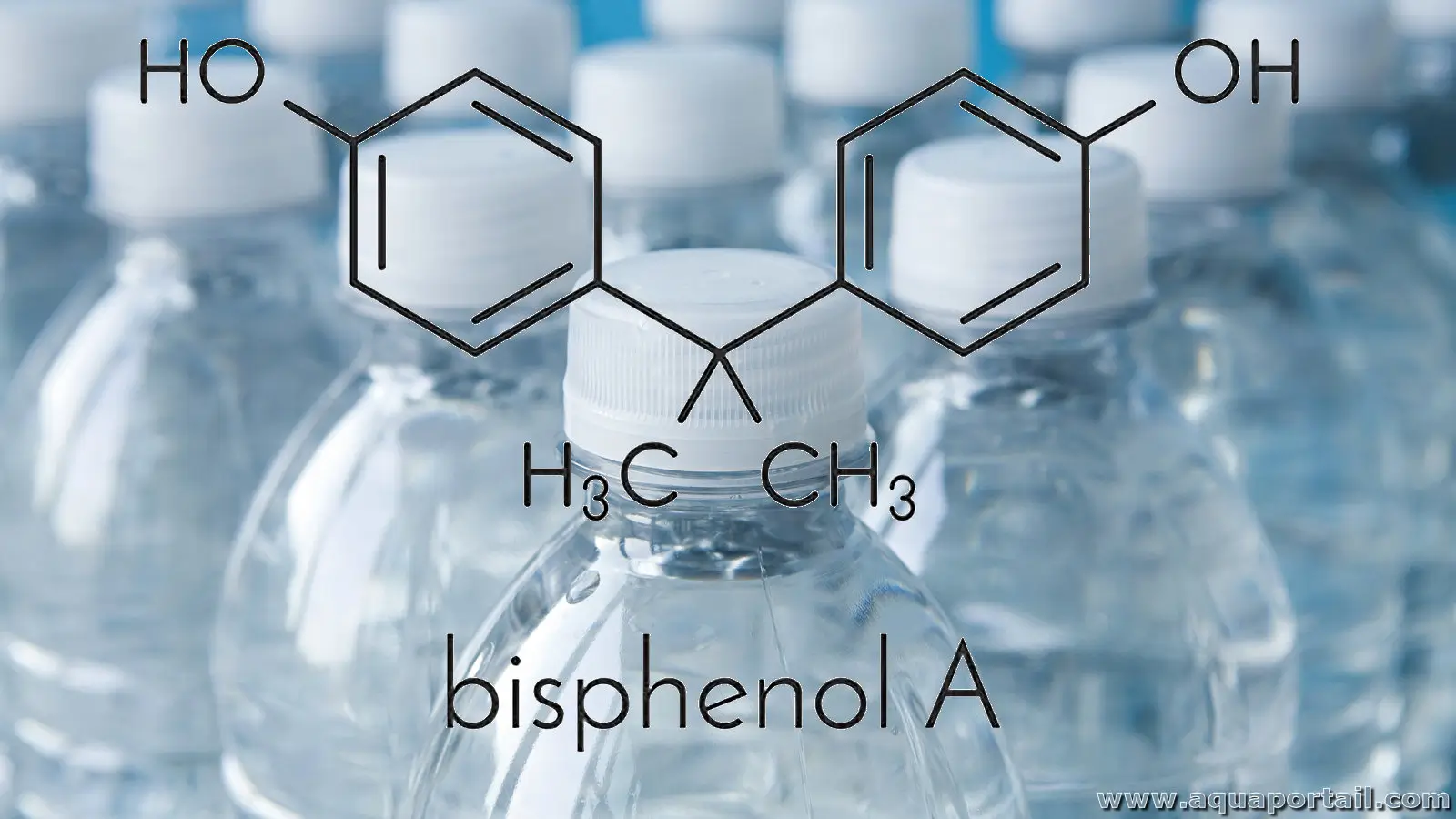
A bisphenol is an organic chemical compound comprising two linked phenol (hydroxyphenyl) groups, such as bisphenol A (or antimicrobial derivatives like...
lipophenol
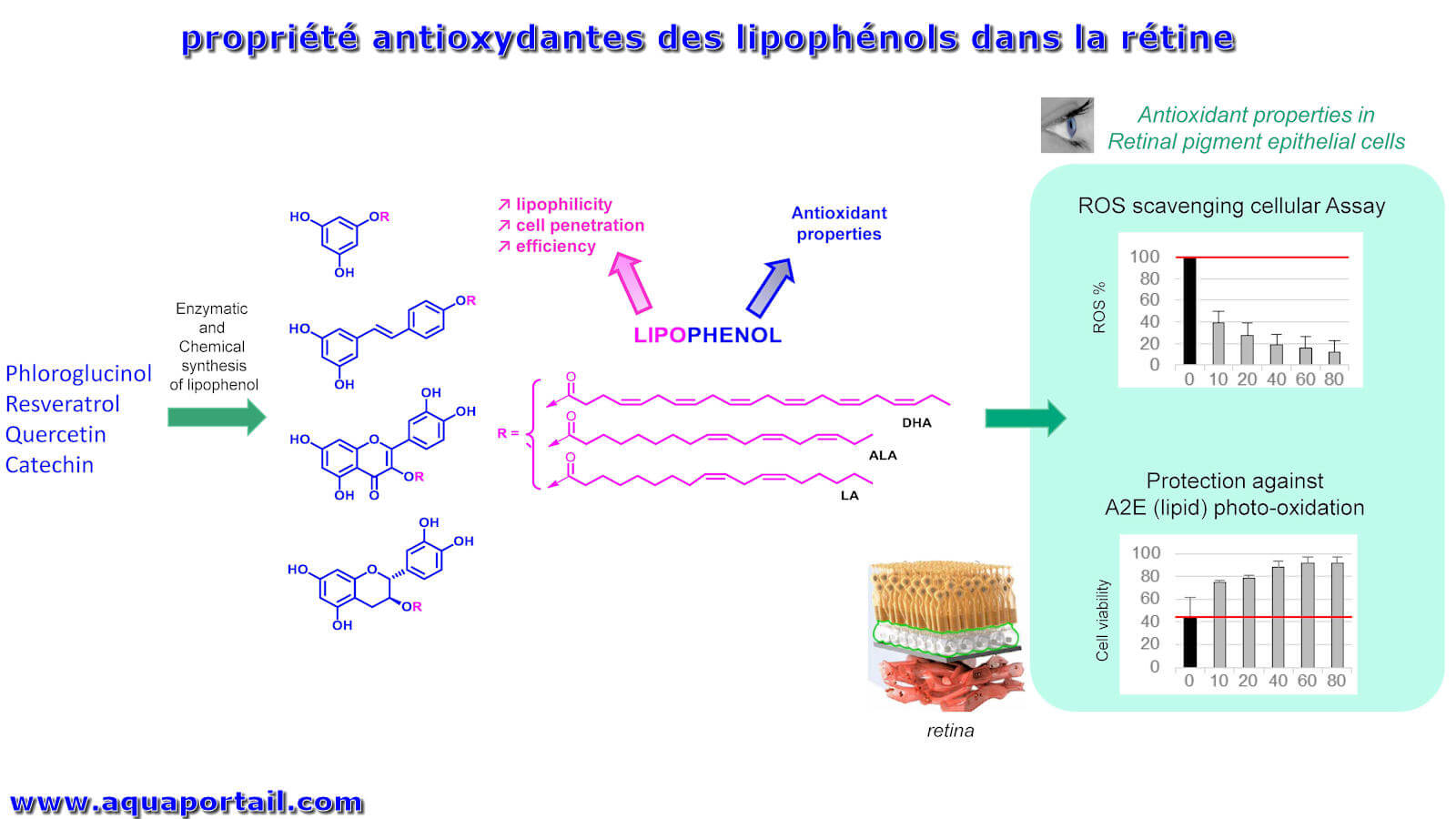
Lipophenol (or phenolipid) is a natural compound, generally plant-derived, that has the ability to block the accumulation of intracellular reactive oxygen...
phenolic
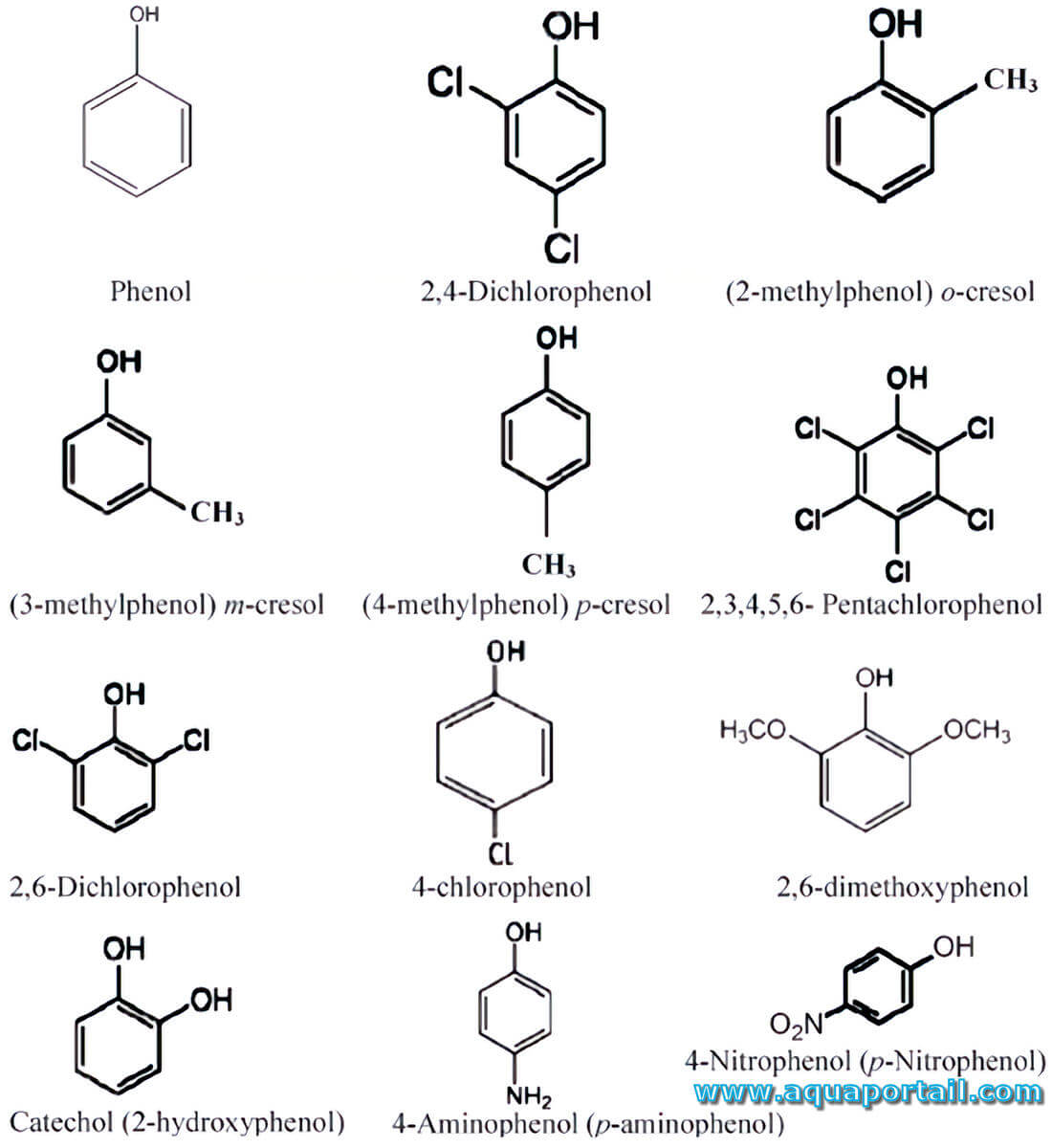
Something phenolic contains a phenol group or is directly related to phenols. In the case of an acid, it is called a phenolic acid or phenol acid.
paedomorphosis

Paedomorphosis (juvenilization) is a phylogenetic change involving the retention of juvenile or even larval traits into a later (adult) stage.
Simple summary
Phenol is an aromatic organic compound characterized by a hydroxyl group (-OH) bonded directly to a benzene ring. It appears as a volatile white crystalline solid with a characteristic, mildly sweet odor. Phenol is used in the manufacture of plastics and pharmaceuticals, as well as a precursor to numerous industrial compounds. It is also utilized in synthesizing materials such as epoxy resins and can serve as an antiseptic due to its antimicrobial properties. Handling phenol requires great caution, as it can be corrosive and toxic.
