Phenomenon of the black cross
noun phrase (n. phr.)
Definition
The phenomenon of the black cross in polarized or dimmed light is explained as follows: the starch grain is a crystalline macromolecular structure. Placed between crossed Nicol prisms in polarized light, it illuminates while being traversed by a black cross.
Explanations
The phenomenon of the black cross is generally explained by assuming that the crystals are regularly arranged within the grain and that their principal axis is perpendicular to its surface.
A starch grain or a fish eye lens, examined under a microscope between a crossed analyzer and polarizer, produces a black cross. The phenomenon has been known for a long time, though the explanation given for it is not always satisfactory.
According to some treatises, one would thus obtain the black cross of uniaxial crystals. Uniaxial crystals indeed produce a black cross in convergent light; however, when examining a starch grain under a microscope under the stated conditions, parallel light is used, and a uniaxial crystal should not produce a black cross.
However, for a body of microscopic dimensions (fish eye lens, starch grain), the previous assimilation is no longer valid. Moreover, convergent-light microscopes have too low a magnification to allow observation; one always operates in parallel light.
Related to "phenomenon of the black cross"
phenol

Phenol is an organic substance containing a benzene ring bearing a hydroxyl group (-OH). A phenolic derivative is a synthetic or natural substance derived...
phenolic
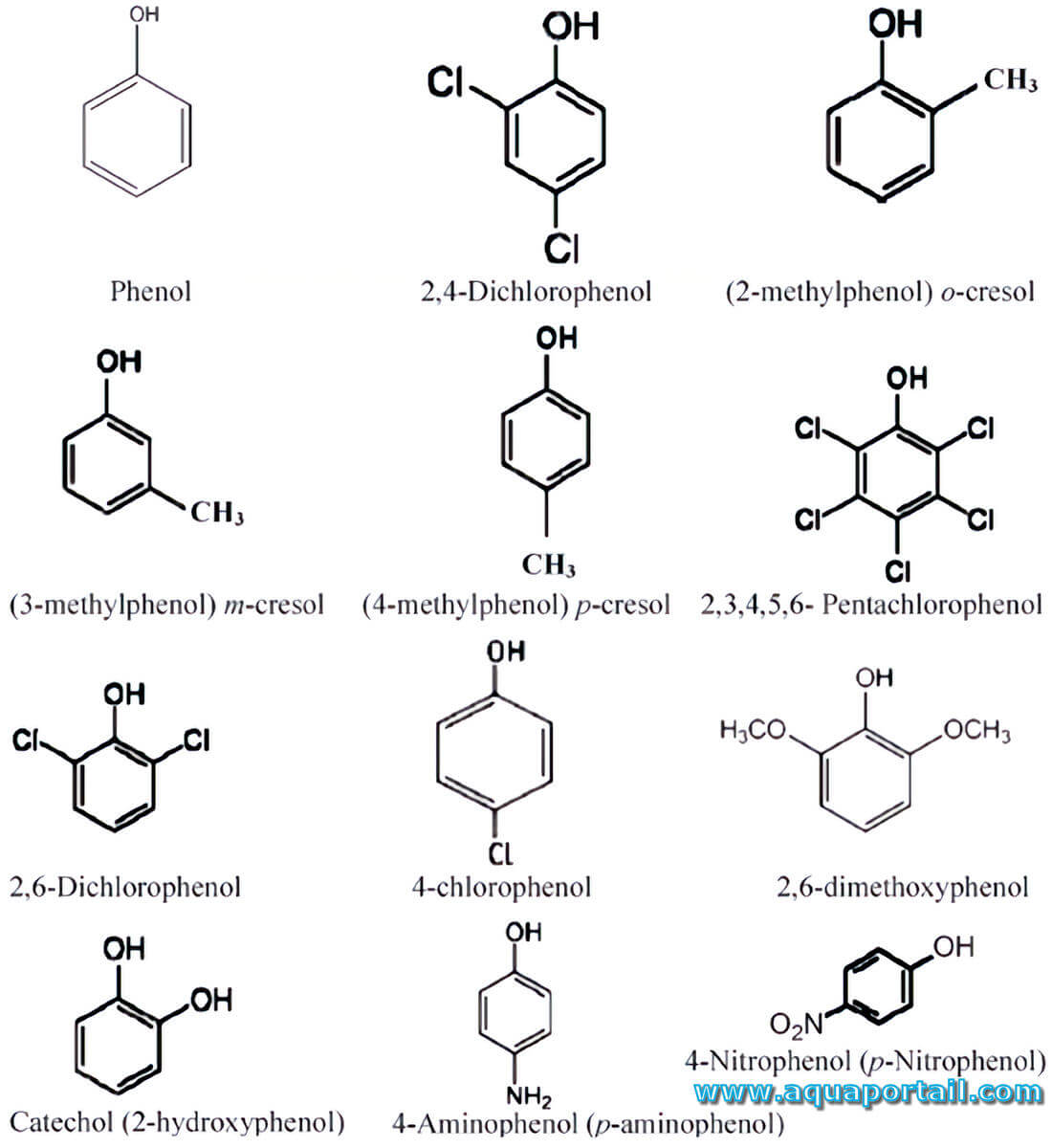
Something phenolic contains a phenol group or is directly related to phenols. In the case of an acid, it is called a phenolic acid or phenol acid.
paedomorphosis

Paedomorphosis (juvenilization) is a phylogenetic change involving the retention of juvenile or even larval traits into a later (adult) stage.
painkiller

A painkiller, or analgesic, is a pain reliever, a medication used to soothe or eliminate pain, whether headaches, muscle aches, arthritis, etc.
