Pheromone
noun (n.)
Definition
A pheromone is a molecule secreted outside the organism that acts as a chemical transmitter to trigger chemoreception in another individual of the same species.
A pheromone is a chemical substance released externally by an organism that provokes specific reactions in a receiving individual of the same species (intraspecific).
Pheromones gather insects (firebugs):

This aggregation of Pyrrhocoris apterus may be caused by pheromones. These sex attractants can attract insects, commonly called "firebugs", to gather in large groups. See aggregation pheromones.
Explanations
A pheromone is a chemical substance (such as an odor) produced by an animal that serves as a signal to other individuals of the same species to adopt a specific type of behavior (such as mating).
✅ A pheromone is a chemical secreted by an animal that influences the behavior or development of other members of the same species. E.g.: queen bees release a pheromone that prevents other females in the hive from becoming sexually mature, so that only the queen bee mates and lays eggs.
This particular chemical substance produces a specific reaction in another individual of the same species via chemoreceptors. The pheromone mediator, secreted by glands, is released outside the organism and serves as a chemical messenger at the cellular level and for recognition between individuals of the same species. For example, bombykol is the sex attractant of Bombyx moths.
The best known of these specific pheromone-mediated responses is the alarm (fear) reaction. See also gamones. Allomones, kairomones, ectomones, and synomones play roles in semiochemical communication, but interspecifically (between different species).
⭐ A pheromone is any endogenous chemical secreted in minute quantities by an organism to elicit a particular reaction in another organism of the same species. Pheromones are widespread among insects and vertebrates; they are also found in crustaceans, fungi, and lichens, but are virtually unknown in birds. The chemicals may be secreted by specialized glands or incorporated into other substances, such as urine. They may be released freely into the environment or deposited in carefully chosen locations. Pheromones are also used by certain fungi, slime molds, and algae to attract gametes during reproduction; organisms of complementary mating types grow or move toward one another.
Pheromones have been chemically identified in insects such as ants, moths and butterflies, beetles, and bees, and in vertebrates such as fishes, reptiles (including turtles), and mammals.
✅ Pheromones are secreted by the female gamete in brown algae. Certain sex attractants are produced by algae, for example ectocarpene in phaeophyceans.
Pheromone specificity depends on the specificity of both perception and production. Very little is known about the physiology of individual receptor cells outside insects, which possess highly specific receptor cells, at least for the major components of the pheromone. Pheromones are classified as having releaser or primer effects.
Uses
Pheromones are widely used to promote aggregation. Among social insects such as termites and ants, several different pheromones can transmit the various messages needed to coordinate the complex activities of a colony. Ants deposit scented pheromones along a trail leading to a food source so that other colony members can locate the food.
Pheromones are also used to signal the presence of danger. E.g.: an injured minnow can release a chemical from specialized epidermal cells triggering a scattering response from the school.
Pheromones play a role in sexual attraction and copulatory behavior, and have been shown to influence sexual development in many mammals as well as insects such as termites and grasshoppers. These pheromones tend to persist relatively longer and spread over greater distances than alarm pheromones.
Chemical stimuli often elicit aspects of parent-offspring responses in vertebrates. Entomologists use sex attractant pheromones and aggregation pheromones to lure and trap pest insects.
Sex attractant
Pheromones may be involved in the human sexual response. By testing human vaginal secretions, scientists have identified fatty acids identical to several thought to act as sex pheromones in other primates. Human female sensitivity to musk-like odors is heightened around ovulation, which some researchers interpret as evidence of the ancestral presence of a musky pheromone in humans.
Many pheromones are isolated from the female gametes of brown algae to attract male gametes. The structure of marine brown algal pheromones is based on desmarestene and lamoxirene. Fucoserratene acts as a pheromone, enhancing the motility of antherozoids (male gametes) and directing them toward egg cells (female gametes), resulting in positive chemotaxis.
Examples:
- desmarestene: isolated from female gametes of the genus Desmarestia
- finavarrene: a sex attractant isolated from certain brown algae
- lamoxirene: a sex attractant released by the female gametes of certain brown algae (particularly of the genus Laminaria, kelps)
- fucoserratene: a sex attractant, a chemotactic substance produced by female gametes, typically egg cells, from certain brown algae, particularly Fucus (the prefix of fucoserratene is fuco) such as Fucus vesiculosus
- multifidene: a sex attractant isolated from certain brown algae (particularly Cutleria multifida)
- dictyopterene A (and B): an aromatic molecule isolated from the brown algal genus Dictyopteris. The molecular formula of this odoriferous pheromone-like alkene is C11H18. Total synthesis of dictyopterene A was achieved via an ester building block of a pure cyclopropylboronic enantiomer. Crucial olefination steps were carried out using Julia-Kocienski reactions as well as Wittig reactions.
Role of the sex pheromone ESP1:

Top: when male mice detect the sex pheromone ESP1, they display increased aggressive behavior toward other male mice. A region called MeApv in the brain area known as the amygdala acts as a "switch" that relays ESP1 information to different regions of the hypothalamus, another brain area, depending on the sex of the recipient mouse: the MPA subregion in males and the VMHd subregion in females. Middle: ESP1 enhances sexual behaviors in female mice. The neural circuit identified in the study is responsible for this effect. Bottom: ESP1 and a predator cue (snake skin), which elicits defensive behaviors, use intermingled yet largely distinct neural circuits extending from the peripheral receptor organ to the hypothalamus.
Releaser and primer pheromones
Releaser pheromones trigger a specific behavior. For example, sex pheromones are releasers. Sows in estrus respond to 3α-androstenol and 5α-androstenone, two steroid pheromones present in boar saliva, by exhibiting immobility, a rigid, motionless stance reflecting the sow's readiness to mate. This is an example of a releaser effect triggering a specific behavior.
Primer pheromones are more common and are the most clinically relevant pheromones to consider. Primer pheromones induce a change in emotional and physiological state and are beneficial alongside other forms of behavioral therapy and environmental modification. Primer pheromones, such as facial, interdigital, and appeasing pheromones, induce delayed effects modulated by activation of the neuroendocrine limbic system, including the amygdala, the brain's fear and emotion control center. Pheromone receptors are generally present only in the species producing the pheromone; hence the effect is species-specific.
Appeasing pheromones, produced by the mammalian mother in the first days following parturition, are perceived by newborns and play a role in their attraction and attachment to their mother. Currently, appeasing pheromones are best represented by the commercially available canine product Adaptil, which induces a sense of well-being and a greater feeling of security and comfort.
Synthetic pheromones
Like natural pheromones, synthetic pheromone analogs bind to vomeronasal receptors and mediate their effects in the limbic system. Consequently, synthetic analogs can be applied in the environment to convey specific messages to the animal. cats can react to their environment based on multiple sensory and learned inputs, and semiochemical perception is only one of them. The comforting effect of pheromones cannot completely overcome intense conflicting messages of extreme fear or distress coming from other senses and perceptions.
Case of desmarestene
Desmarestene is a sex attractant (releaser and attractant pheromone) released by the female gametes of certain brown algae, particularly the genus Desmarestia within the ochrophyte Phaeophyceae. The genus name (as well as family and order), followed by the attractant, honors the French zoologist Anselme Gaëtan Desmarest (1784–1838). See also lamoxirene, another brown algal pheromone.
The ochrophyte Desmarestia aculeata produces desmarestene:

Algae of the genus Desmarestia (here, Desmarestia aculeata, an ochrophyte) produce the pheromone desmarestene.
The absolute configuration of the gamete-releasing and attracting pheromone desmarestene from the North Atlantic brown alga Desmarestia aculeata is determined as (6R) by synthesis and bioassay tests. The technique uses the cis-endo transition state geometry of the Cope rearrangement. According to a study on a chiral stationary phase, females of Desmarestia aculeata release (6R)-2 with high enantiomeric purity (87% ee and 96% ee, respectively).
Desmarestene 1 (6-(1Z,3-butadienyl)-1,4-cycloheptadiene) and viridiene 3 (cis-3-(1Z,3-butadienyl)-4-vinylcyclopentene) are chemical messengers for the male gametes of the brown algae Desmarestia aculeata and Desmarestia viridis. Total syntheses of 1, 3, and their stereoisomers 1a, 3a-c are reported. Gas chromatography comparison of synthetic products 1 and 3 with the corresponding natural products established their structural identity.
Desmarestia is a genus of brown algae living worldwide. It is also called "acid weed" or "sea sorrel". The name "sea sorrel" may also specifically refer to Desmarestia viridis. Species may be annual or perennial. Annual species store sulfuric acid in their intracellular vacuoles. When exposed to air, they release acid, thereby destroying themselves as well as nearby algae.
Consumption of Desmarestia by animals (and humans) is accidental because its sulfuric acid (with a pH as low as 0.44) can cause severe digestive problems. However, because sulfuric acid has an extremely sour taste, the algae are unlikely to be consumed in harmful amounts. This adaptation likely serves to deter predators. Furthermore, the desmarestene released by the alga can also emit an unpleasant odor when the algae are removed from the water.
Case of ectocarpene
Ectocarpene is a sex attractant (pheromone) released by the female gametes of certain brown algae of the class Phaeophyceae, particularly within the algal genus Ectocarpus. Ectocarpenes were previously called sirenins.
An ectocarpene molecule:

The chemical formula of ectocarpene is C11H16 with a molar mass of 148.249 g/mol (Da) and a density of 0.908 g/mL. The molecule is a derivative of dictyopterene (found in Dictyotales algae).
The substance "ectocarpene" has a fruity scent and can be detected by humans when millions of algal gametes in swarms are present in seawater and females begin emitting the substance to attract male gametes. Ectocarpene was the first algal pheromone isolated. Ectocarpus (order Ectocarpales) was isolated from algae by Müller in 1971.
More recent studies have shown that a pre-ectocarpene compound may be responsible for actual male gamete attraction. All double bonds are cis and the absolute configuration of the stereocenter is (S).
See also another sex attractant produced by other ochrophytes (brown algae) with desmarestene.
Synonyms, antonyms
Spanish translation: feromona
4 synonyms (similar meaning) for "pheromone":
- gamone
- pherohormone
- pherormone
- sex attractant
4 antonyms (opposite meaning):
- allomone
- ectomone
- kairomone
- synomone
Related words and expressions to PHEROMONE are directly connected by general or specific meaning.
The word PHEROMONE is listed on page 1 of words starting with P in the dictionary glossary.
Related to "pheromone"
paedomorphosis

Paedomorphosis (juvenilization) is a phylogenetic change involving the retention of juvenile or even larval traits into a later (adult) stage.
painkiller
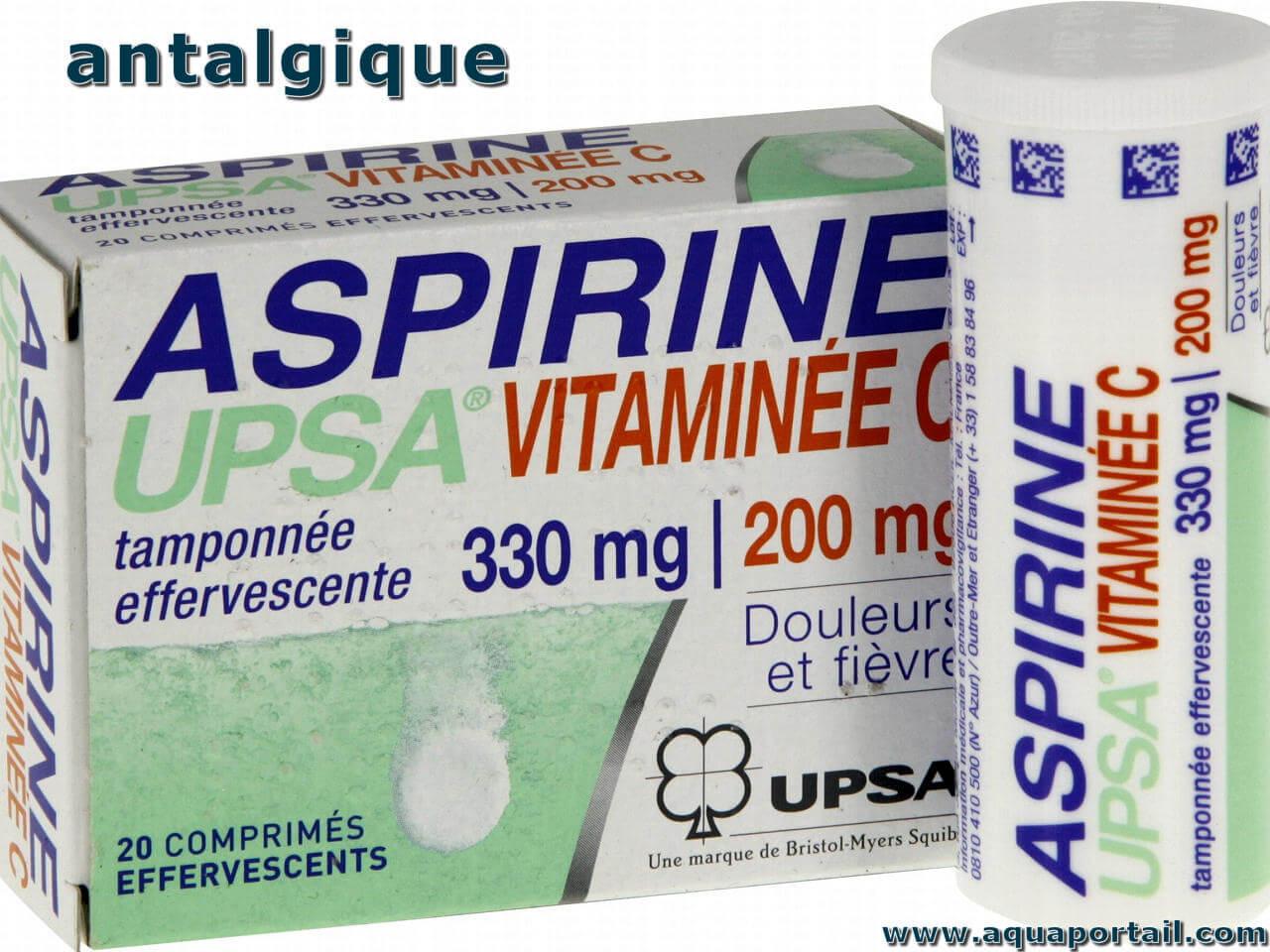
A painkiller, or analgesic, is a pain reliever, a medication used to soothe or eliminate pain, whether headaches, muscle aches, arthritis, etc.
pandemic

A pandemic is the widespread outbreak of an epidemic infectious disease across a vast geographic area at a given time.
parchment

Historically, true parchment is animal skin prepared (limed, dried, thinned, dressed) to write or print upon.
