Stroma
noun (n.)
Definition
In biology, a stroma refers to a supporting framework of a cell, tissue, or fluid matrix. For instance, in histology, the stroma is the supportive tissue of an epithelial organ, tumor, gonad, etc., composed of connective tissue and blood vessels.
The stroma of a chloroplast:
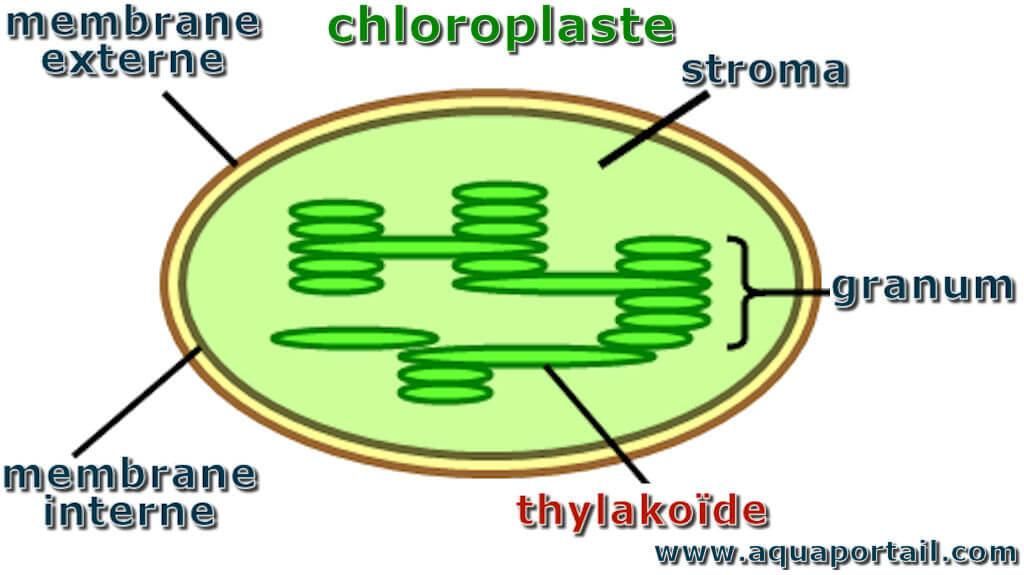
Within a chloroplast, the stroma is the fluid matrix bathing the thylakoids and surrounding the grana. The light-dependent stages of photosynthesis that convert light into chemical energy occur in the thylakoids, whereas the stages converting energy into carbohydrates take place in the chloroplast stroma.
Explanations
Depending on the field, a stroma (sometimes plastidial) is:
- for a cell, stromal connective tissue cells of any organ supporting parenchymal function
- for a tissue, the supportive and functional connective tissue framework of a biological organ
- for a fluid, the aqueous matrix surrounding the grana where carbohydrate-forming reactions take place inside the chloroplasts of photosynthetic plant cells
- in mycology, the dense structural hyphal tissue that bears fruiting bodies.
See also plastid stroma, and stromal along with the distinction between monostromatic and pluristromatic.
See also stromatolite, a layered biochemical accretionary structure formed in shallow water by the trapping, binding, and cementation of sedimentary grains by microbial biofilms (mats) of microorganisms, particularly cyanobacteria.
Cellular stroma (biology)
In cell biology, stroma refers to stromal cells. Stromal cells are connective tissue cells found in any organ, such as the uterine lining (endometrium), prostate, bone marrow, lymph node, and ovary. They support the function of the organ's parenchymal cells; fibroblasts and pericytes are among the most common types of stromal cells.
Interactions between stromal cells and tumor cells play a major role in cancer growth and progression. Additionally, by regulating local cytokine networks, bone marrow stromal cells are involved in human hematopoiesis and inflammatory processes.
Stromal cells in the dermal layer adjacent to the epidermis (the outer layer of skin) release growth factors that promote cell division, allowing the epidermis to regenerate from its base while the uppermost layer of epidermal cells is continuously shed from the body.
Certain types of skin cancer (basal cell carcinomas) cannot metastasize throughout the body because the cancer cells require nearby stromal cells to continue dividing. Loss of these stromal growth factors when detached prevents the cancer from invading distant organs.
A cellular stroma consists of non-malignant cells, yet can provide an extracellular matrix upon which tumor cells proliferate.
Tissue stroma (zoology, histology)
In animal histology, the stroma is the supportive tissue of an organ, consisting of its extracellular matrix (with fibrillar components and ground substance) synthesized by connective tissue cells. Stroma often consists of reticular connective tissue. Classically, the stroma was regarded solely as the structural support for the tissue carrying out the organ's specific function, which is formed by cells constituting the "parenchyma".
These concepts stem from earlier eras of histology (taking a morphological rather than functional view), when connective tissue was assigned only supportive and cohesive roles due to limited understanding of its broader functions. Today, stroma-parenchyma interactions are actively studied, and it is recognized that without this morphophysiological crosstalk, both parenchyma and stroma lose their functional specificity.
When isolated from each other in tissue culture media, they lose their characteristic features and survive only briefly. Thus, stroma is now understood to be just as functionally active as parenchyma rather than a passive scaffold.
Broadly speaking, the stroma corresponds to loose connective tissue, while the parenchyma denotes epithelial tissues with endocrine or exocrine functions. Stroma is a widespread component across organs and body systems.
The stromal component of the nervous system is known as glia. Glia fulfills a "connective role" for neurons (parenchyma) and is conceptually likened to a stroma despite its ectodermal epithelial origin.
This view, however, stretches the concepts of parenchyma and stroma somewhat metaphorically, as these terms were originally coined for organs possessing mesodermal connective tissue supporting an epithelium typically of ectodermal or endodermal embryonic origin—though exceptions exist in organs with mesoderm-derived epithelial parenchyma, such as the kidney.
In the central nervous system, both neurons and most glial cells share an ectodermal embryonic origin. Only by extension is glia metaphorically compared to stroma, simply because both were historically viewed as structural support elements.
See also biostrome.
Ovarian stroma (anatomy)
In anatomy, the ovarian stroma is a distinctive type of richly vascularized connective tissue composed largely of spindle-shaped stromal cells resembling fibroblasts, alongside ordinary connective tissue elements such as reticular fibers and collagen. Ovarian stroma differs from typical connective tissue by its high cellular density, with stromal cells arranged so that the tissue appears whorled. Stromal cells associated with maturing follicles can acquire endocrine function and secrete estrogens.
The entire ovarian stroma is highly vascular. At the surface of the organ, this tissue becomes densely condensed, forming a layer (tunica albuginea) composed of short connective fibers interspersed with spindle-shaped cells. The ovarian stroma may also contain interstitial cells resembling those of the testis.
Fungal stroma (mycology)
A stroma is a dense hyphal network in certain fungi (and analogously in tubeworms) in which one or often multiple fruiting bodies, such as ascocarps, are embedded. Sometimes its surface is covered with conidia while the sexual fruiting structures develop internally.
In fungi, the stroma (or conidioma in Latin) consists of a compact mass of vegetative fungal hyphae forming plectenchymatous to pseudoparenchymatous tissues that are often thick-walled and darkly pigmented.
In ascomycetes, one or more ascocarps are embedded within the stroma, forming an ascostroma; occasionally the stroma surface bears conidia. In basidiomycetes, the stroma may form the fruiting body (carpophore).
Fluid stroma (botany)
In botany, the stroma refers to the colorless fluid surrounding the grana inside the chloroplast. In plant cytology, the stroma is the internal cavity of the plastid and the aqueous matrix it contains, enclosed by the inner plastid membrane and bathing the thylakoids.
Within the stroma lie the grana—stacks of thylakoids—where the light-dependent reactions of photosynthesis begin before chemical synthesis is completed in the stroma.
Photosynthesis proceeds in two stages. In the first stage, light-dependent reactions capture solar energy and use it to generate the energy-carrier molecules ATP and NADPH. In the second stage, light-independent reactions use these products to capture and reduce carbon dioxide.
The series of biochemical redox reactions taking place in the stroma is collectively termed the Calvin cycle, or light-independent reactions, comprising three phases: carbon fixation, reduction reactions, and regeneration of ribulose-1,5-bisphosphate (RuBP).
The stroma also houses chloroplast DNA and chloroplast ribosomes, and is therefore the site of molecular processes including chloroplast DNA replication and the transcription/translation of certain chloroplast proteins.
Plastid DNA and plastid ribosomes reside within the plastid stroma, the compartment where the so-called dark reactions of photosynthesis—specifically the Calvin cycle—take place.
The stroma is homologous to the cytoplasm of the cyanobacteria from which plastids evolved, as well as to the mitochondrial matrix.
Synonyms, antonyms
Spanish translation: estroma
2 synonyms (similar meaning) for "stroma":
0 antonyms (opposite meaning).
Related words and expressions to STROMA are directly connected by general or specific meaning.
The word STROMA is listed on page 1 of words starting with S in the dictionary glossary.
Related to "stroma"
saccharide
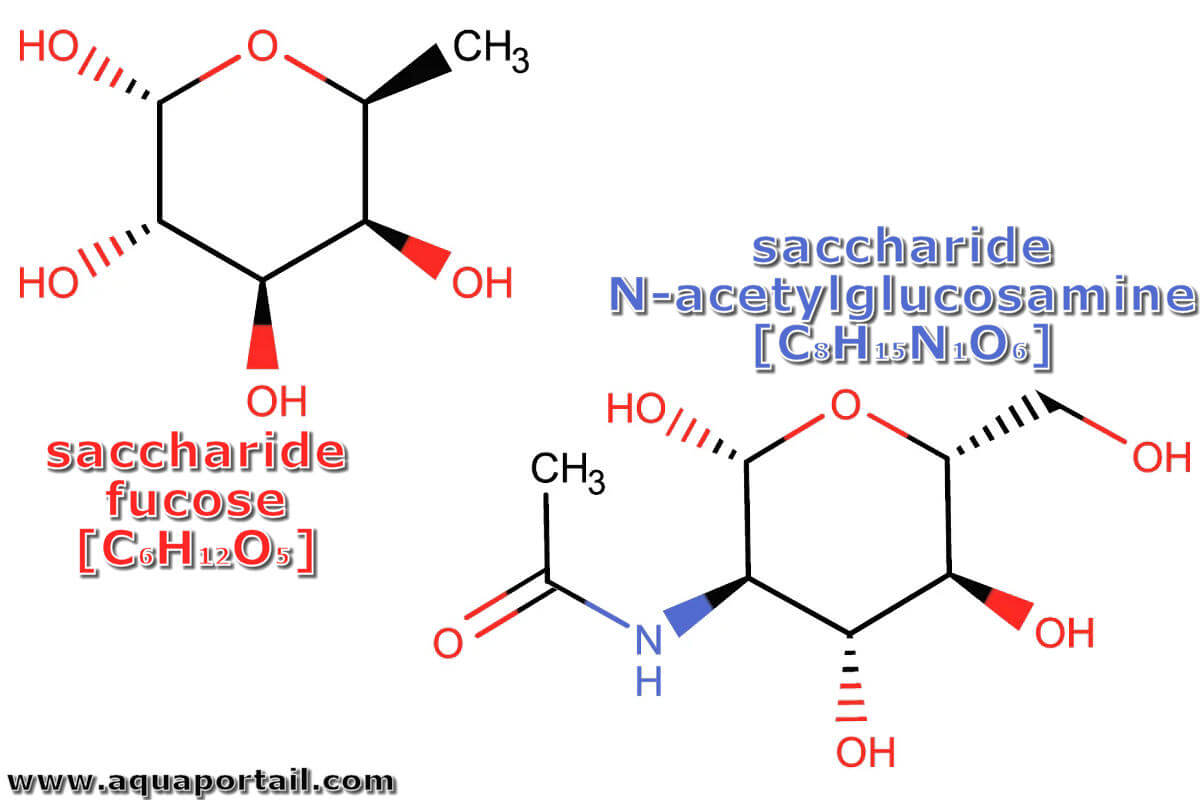
A saccharide is a carbohydrate, a biomolecule composed of carbon, hydrogen, and oxygen atoms, usually with a hydrogen-to-oxygen atomic ratio of 2 :1.
saccule

A saccule is a flattened cellular cavity shaped like a small concave disk and bounded by a membrane, a stack of which forms a dictyosome.
sagittocyst

A sagittocyst is a capsule containing a spindle-shaped needle produced by epidermal cells of certain flatworms (acoels).
salinity

Salinity is the measure of dissolved salts in water. It takes into account all salts, and not only sodium chloride (table salt NaCl). The average salinity...
