Regeneration
noun (n.)
Definition
In biology, regeneration consists of the repair of an injured tissue or organ, or the (complete) restoration of a more or less lost or damaged organ. It is the process by which the structure and function of damaged organs or body parts are recovered.
⭐ Regeneration is a biological process of renewal, restoration, and growth that makes genomes, cells, organisms, and ecosystems resilient to natural fluctuations.
A sea star can regenerate its arms:

arm regeneration in a sea star such as Archaster typicus enables these animals to undergo autotomy.
Explanations
The regeneration process can occur in several states, and across levels of biological organization, the capacity of different organisms to regenerate missing parts varies widely. However, the ability to regenerate at least one structure is common across all animal phyla.
Regeneration can thus occur at the level of cells, tissues, organs, structures, and even the whole body, though in certain organisms it is absent or highly limited.
The regeneration of missing limbs has been observed in several organisms—salamanders, crabs, and sea stars among others—while whole-body regeneration from small fragments has been observed in planarians and several cnidarians. Conversely, there are organisms such as birds and nematodes that are virtually incapable of performing any type of regeneration.
✅ Epithelialization is epithelial reconstruction involving the regeneration of the epithelium.
Mechanisms
There are three mechanisms by which regeneration can occur: epimorphosis, morphallaxis, and compensatory growth.
Epimorphic regeneration via neoblasts is characterized by the differentiation of a blastema and the generation of new tissues or body parts; this type of regeneration is typical of limb regeneration following voluntary autotomy.
Regeneration by morphallaxis involves the transformation of existing body parts or tissues into new structures. This pattern reorganization is accompanied by limited new growth.
The third type of regeneration can be viewed as an intermediate form in which cells divide while maintaining their differentiated functions, producing similar cells and therefore not forming masses of undifferentiated cells.
Evolution of regeneration
The presence of regeneration across multiple animal phyla, along with the widespread ability to regenerate the entire body in basal metazoan lineages and in several phyla of lophotrochozoans and deuterostomes, suggests that the ancestral metazoan possessed broad regenerative capacity. The phylogenetic distribution of regeneration also indicates that this ability was restricted and/or lost during repeated evolutionary events.
Several hypotheses exist regarding the maintenance of regeneration—the adaptive hypothesis, pleiotropy, and phylogenetic inertia:
- in the first hypothesis, regeneration is maintained by selection, meaning loss of the structure must be common, its absence must impose a fitness cost on the organism, and the benefit of regeneration must outweigh its cost. Examples of such structures include lizard and salamander tails; however, in Hydra and planarians, two of the animal groups with the greatest regenerative capacities, there is no evidence of frequent amputation in nature (adaptive hypothesis)
- in the second hypothesis, it is postulated that the ability to regenerate a particular structure is closely linked to another phenomenon such as asexual reproduction, growth, embryogenesis, or the regeneration of another structure. Clades such as cnidarians, where regeneration and growth rely on similar mechanisms, are candidates for studying the maintenance of regeneration via pleiotropy
- the third hypothesis suggests that the maintenance of regeneration exists for historical reasons, meaning regeneration is an ancestral trait that has not been lost.
Synonyms, antonyms
Spanish translation: regeneración
2 synonyms (similar meaning) for "regeneration":
0 antonyms (opposite meaning).
Related words and expressions to REGENERATION are directly connected by general or specific meaning.
The word REGENERATION is listed on page 1 of words starting with R in the dictionary glossary.
Related to "regeneration"
bio-purification
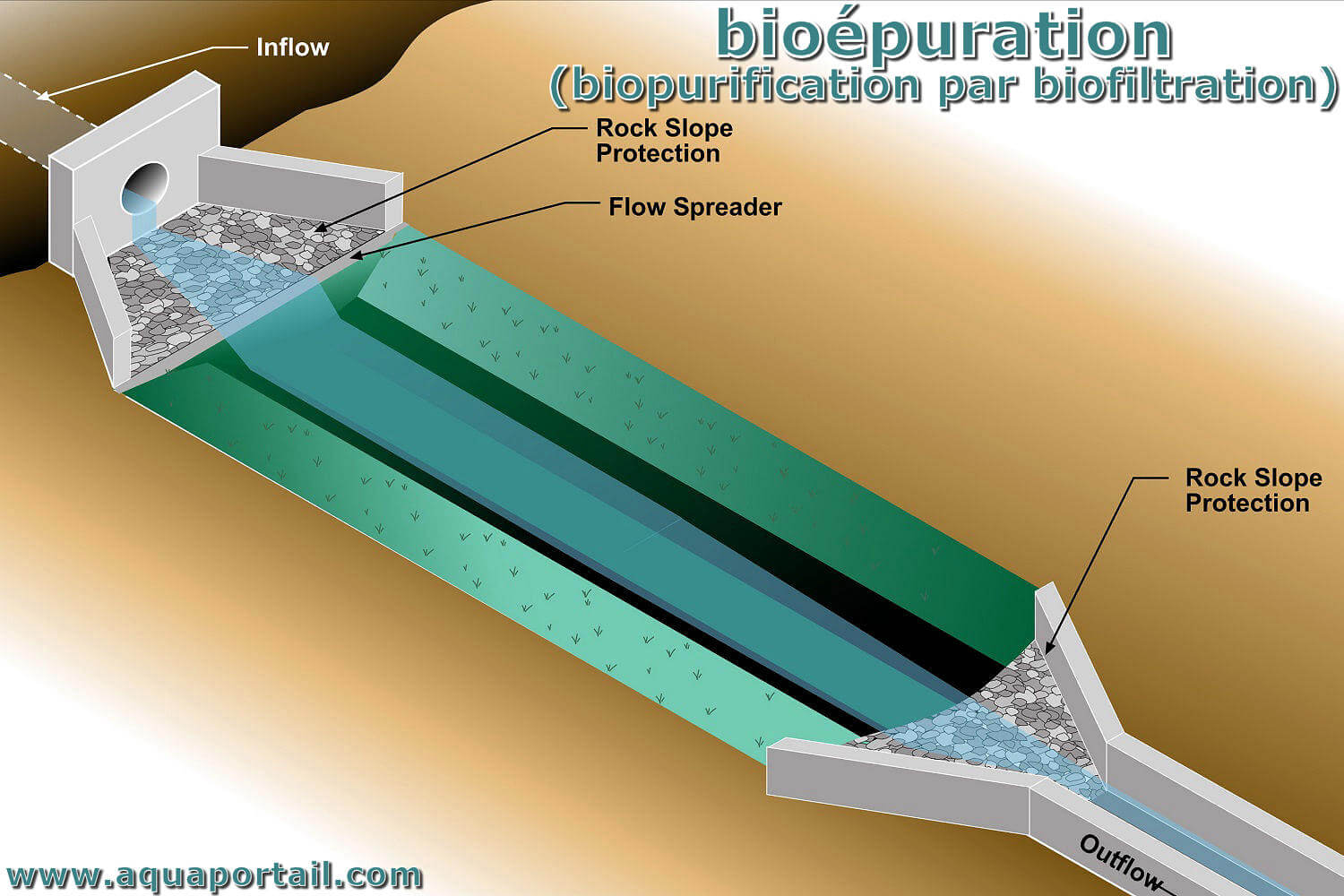
Bio-purification (biodepuration) refers to harnessing living organisms—such as plants, fungi, and symbiotic bacteria—to reduce pollution in an environment.
civilization

A civilization is generally defined as an advanced state of human society containing highly developed forms of government, culture, industry, and social...
cohabitation

Cohabitation is the simultaneous coexistence of several elements, similar or different, in the same place (habitat) over the same (extended) period.
concentration

Concentration (geographic) is the clustering of numerous elements around a central location.
