Reductional
adjective (adj.)
Definition
In biology, as applied to cell division, reductional refers to a reductional division in the context of meiosis (unlike mitosis, which is strictly equational): it is the first cell division, phase one of meiosis. The reductional phase precedes the equational phase, known as the equational division of a cell.
A reductional division:

Reductional division: the first cell division of meiosis, the process by which germ cells are formed. In reductional division, the number of chromosomes is reduced from diploid (46 chromosomes) to haploid (23 chromosomes). Also known as the first meiotic division and meiosis I.
Explanations
Meiosis I separates homologous chromosomes, which are paired as tetrads (2n, 4c), producing two haploid cells (n chromosomes, 23 in humans) each containing pairs of chromatids (1n, 2c). Because ploidy is reduced from diploid to haploid, meiosis I is called reductional division.
Meiosis II is an equational division analogous to mitosis, in which sister chromatids are separated, creating four haploid daughter cells (1n, 1c).
In spore-bearing plants, see also meiotic spore (reductional spore).
Reductional division is a type of cell division in which the chromosome number is halved, producing daughter cells with half as many chromosomes as the parent cell. This process takes place during meiosis, specifically during meiosis I, and is essential to sexual reproduction because it ensures that gametes (sperm and eggs) carry a haploid number of chromosomes. Upon fertilization, the chromosome number is restored to its diploid state in the resulting zygote.
Synonyms, antonyms
Spanish translation: reduccional
0 synonyms (similar meaning) for "reductional".
1 antonym (opposite meaning):
Related words and expressions to REDUCTIONAL are directly connected by general or specific meaning.
The word REDUCTIONAL is listed on page 1 of words starting with R in the dictionary glossary.
Related to "reductional"
chromatic reduction
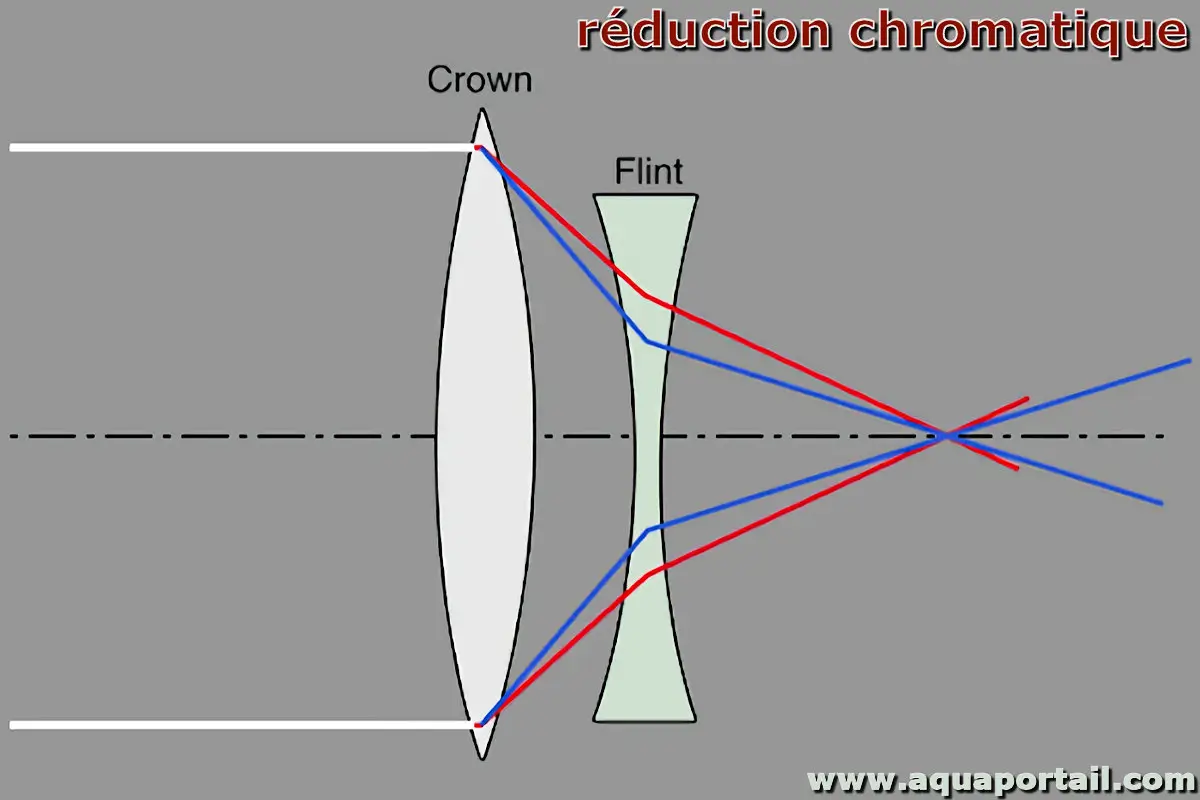
Chromatic reduction is a reduction of chromatic aberration. Chromatic aberration can be reduced by increasing the focal length of the lens where possible...
reduction
In chemistry, chemical reduction is the opposite of oxidation. During a chemical reduction reaction, a substance gains electrons from another substance called...
ramification

Ramification is a mode of subdivision of an axis, such as the branching of a plant; the term is defined differently in mathematics, chemistry, and in botany...
ramulus

A ramulus is a small branching of branches or stems of a plant that has undergone a metamorphosis resulting in growth arrest.
