Succulent plant
noun phrase (n. phr.)
Definition
A succulent plant (succulent) has fleshy, water-rich tissues. These plants typically retain water and can survive in arid climates or dry soils. Water retention can occur in the leaves, stems, or any other organ of the plant.
European glasswort is a succulent:

Succulent plants, such as halophytic glassworts, can store water in their various structures, such as leaves and stems: they are called succulents.
Explanations
Some definitions also include roots, so geophytes that survive unfavorable periods by dying back aboveground and whose underground organs serve for storage can be considered succulent plants.
In botany, succulent describes a fleshy, sap-filled plant or organ. In everyday language, succulence describes an exquisite taste or intense organoleptic qualities, like nectar.
In horticulture, use of the term "succulent" often excludes plants that botanists would consider succulents, such as cacti. Succulents are grown as ornamental plants because of their unusual and striking appearance. Although cacti represent only a very small proportion of all existing succulent plants, they are the best-known representatives of succulent plants.
There are a number of different definitions of the term "succulent". One difference lies in whether or not roots are included among the accepted parts of succulent plants. Some authors include roots, as in the definition of plants whose leaves, stem, or roots have become more fleshy than usual through the development of water-storage tissue. Others do not include roots, as in the definition of a plant with thick, fleshy, and swollen stems and/or leaves, adapted to arid environments. For geophytes, this difference affects the relationship between succulents and plants that survive unfavorable seasons as a bud resting on an underground organ. These underground organs, such as corms, bulbs, and tubers, are often fleshy with water-storage tissues. Thus, if roots are included in the definition, many geophytes would be considered succulent plants.
Plants adapted to life in dry environments are called xerophytes; thus succulents are often xerophytes. However, not all xerophytes are succulents, as there are other ways to adapt to water scarcity, for example by developing small leaves that can roll up (to prevent transpiration) or become leathery. Conversely, not all succulents are xerophytes, since plants like Crassula helmsii are both fleshy and aquatic, as is brooklime Veronica beccabunga.
Synonyms, antonyms
Spanish translation: planta suculenta
1 synonym (similar meaning) for "succulent plant":
0 antonyms (opposite meaning).
Related words and expressions to SUCCULENT PLANT are directly connected by general or specific meaning.
The expression SUCCULENT PLANT is listed on page 1 of words starting with S in the dictionary glossary.
Related to "succulent plant"
aquatic plants

An aquatic plant (hydrophyte or hygrophyte) is a vascular plant with high water requirements.
beginner aquarium plant

A beginner aquarium plant is an easy-to-grow aquatic plant species with good growth regardless of planting conditions.
green plants
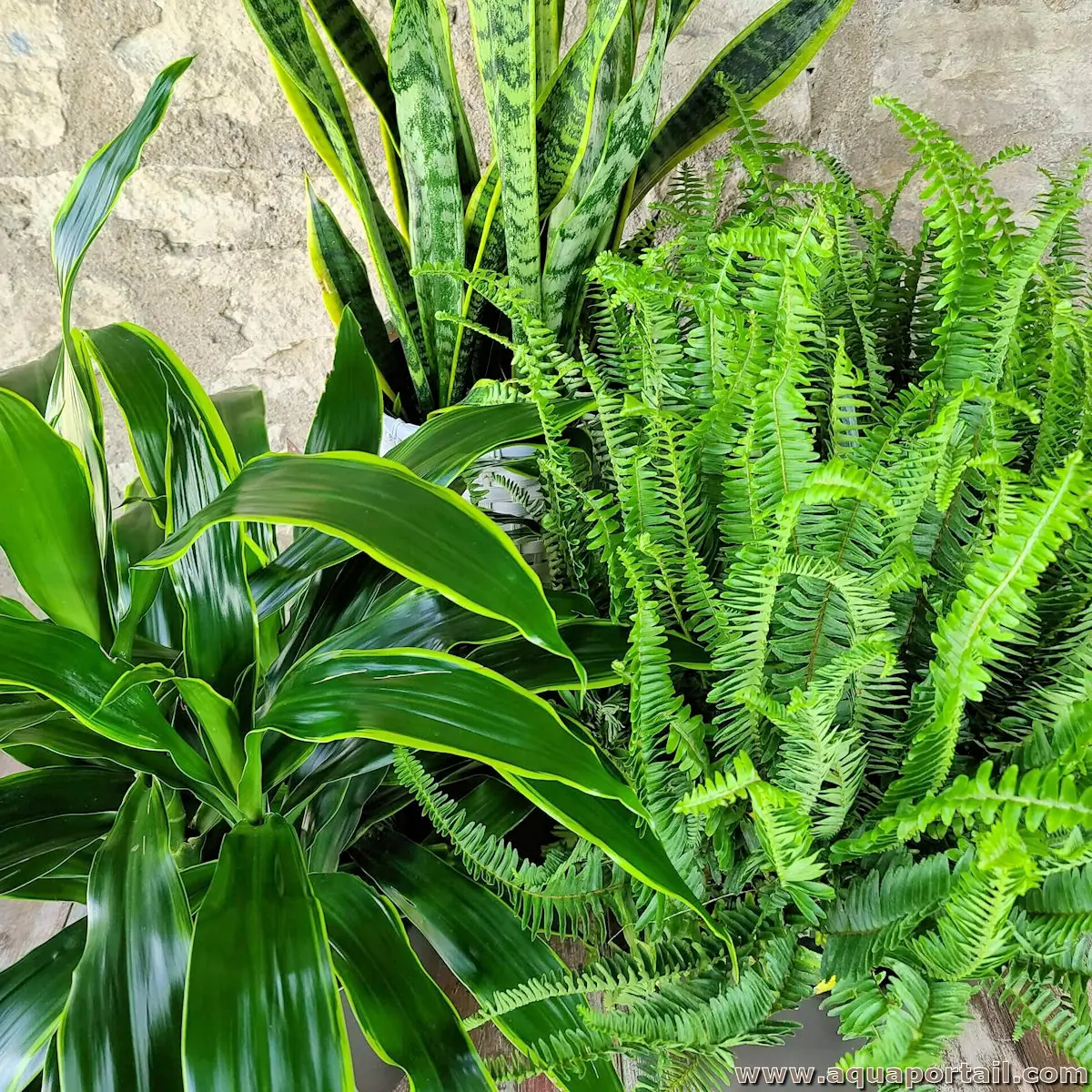
Green plants (subkingdom Viridiplantae) encompass land plants, aquatic vascular plants, and green algae, accounting for roughly one-sixth of all described...
higher plants

Higher plants refer to tracheophytes, plants with stems, roots, leaves, and flowers, or cormophytes, as opposed to lower plants, an expression that designates...
