Calvin cycle
noun phrase (n. phr.)
Definition
The Calvin-Benson cycle is the carbon dioxide reduction cycle during the so-called dark (light-independent) phase of oxygenic photosynthesis with carbon fixation. It consists of a series of biochemical processes carried out in the stroma of chloroplasts of photosynthetic organisms. The reactions of the Calvin-Benson cycle also ensure final carbon assimilation in C4 plants (following initial fixation of CO2 into four-carbon compounds).
Diagram of the Calvin-Benson cycle:

In this diagram of the Calvin-Benson cycle, the colors: black = carbon, white = hydrogen, red = oxygen, pink = phosphorus.
In the stroma, the Calvin cycle constitutes the set of reactions of the biochemical phase of photosynthesis, whose role is to regenerate 3 molecules of ribulose-1,5-bisphosphate (C5), onto which CO2 is fixed, from 5 molecules of triose phosphates (C3).
Explanations
The reactions of the Calvin cycle belong to the so-called light-independent phase of oxygenic photosynthesis, responsible for fixing carbon dioxide by incorporating it into the organism's organic matter in the form of carbohydrates (glucose precursors) via the enzyme rubisco. It should be noted that this set of reactions is misleadingly called the dark phase, because many enzymes in the process, including RuBisCO, depend on activation by the ferredoxin-thioredoxin system, which exists in its active (reduced) form only in the presence of light.
The Calvin cycle was discovered by Melvin Calvin, Andrew Benson, and James Bassham at the University of California, Berkeley, using radioactive carbon-14 (14C) isotopes. Calvin was awarded the Nobel Prize in Chemistry in 1961 "for his research on the carbon dioxide assimilation in plants".
⭐ The process consists of fixing one molecule of CO2 onto a 5-carbon molecule, ribulose-1,5-bisphosphate, using an enzyme called RuBisCO (ribulose-1,5-bisphosphate carboxylase/oxygenase); a series of reactions utilizing the reducing power of NADPH (and H+) derived from the light reactions (photolysis of water) enables the synthesis of triose phosphates, from which glucose, fructose, and sucrose are synthesized.
Steps of the cycle
The Calvin cycle can be summarized in three stages:
- in step 1 (carboxylation), the reaction catalyzed by ribulose-1,5-bisphosphate carboxylase/oxygenase (RuBisCO) fixes CO2 onto ribulose-1,5-bisphosphate (RuBP). The unstable 6-carbon compound formed is immediately cleaved into two molecules of 3-phosphoglycerate (PGA). When six molecules of CO2 are fixed by combining with six molecules of ribulose-1,5-bisphosphate, twelve molecules of 3-phosphoglycerate are obtained;
- in step 2 (reduction), the 12 molecules of PGA are phosphorylated by ATP to form 12 molecules of 1,3-bisphosphoglycerate (BPG), which are reduced using electrons supplied by NADPH (via the enzyme glyceraldehyde-3-phosphate dehydrogenase) to form 12 molecules of glyceraldehyde-3-phosphate (GAP or G3P). At this point, two of the GAP molecules exit the cycle to be used in the synthesis of glucose and sucrose in the cytosol (or starch in the plastid), representing the net yield of the light-independent reactions. The remaining 10 molecules stay in the cycle for the next phase;
- in step 3 (regeneration), the conversion of the remaining 10 GAP molecules into six molecules of ribulose-1,5-bisphosphate (which act as acceptor molecules for six more molecules of CO2) requires the hydrolysis of six molecules of ATP. The NADPH and ATP consumed in the Calvin cycle represent the two high-energy products of the light-dependent reactions.
⭐ See also light-dependent reactions and dark reaction (or dark phase).
Function
Six molecules of CO2 are used to generate the equivalent of one glucose molecule. In these reactions, each CO2 molecule is attached to an acceptor molecule, ribulose-1,5-bisphosphate (RuBP), which is then split into two molecules of 3-phosphoglycerate, catalyzed by the enzyme RuBisCO (via an ATP-independent carboxylation process using CO2 and water H2O as substrates).
Next, ATP produced during the photochemical (light) reactions of photosynthesis donates phosphate groups to these molecules, yielding 1,3-bisphosphoglycerate; at the same time, NADPH donates electrons to these three-carbon molecules, producing glyceraldehyde-3-phosphate. Part of the glyceraldehyde-3-phosphate is used to manufacture the 6-carbon sugar glucose, among other products of photosynthesis. The other part of the glyceraldehyde-3-phosphate is used along with ATP to regenerate the CO2 acceptor, ribulose-1,5-bisphosphate, and restart the cycle.
With each full turn of the cycle, one molecule of carbon dioxide enters the cycle and is reduced, accompanied by the regeneration of RuBP molecules.
Six turns of the cycle, incorporating six carbon atoms, are required to produce one six-carbon hexose sugar, such as glucose. The overall balanced equation for producing one molecule of glucose is: 6 CO2 + 12 NADPH + 12 H+ + 18 ATP → C6H12O6 + 12 NADP+ + 18 ADP + 18 Pi + 6 H2O.
The direct product of the cycle is glyceraldehyde-3-phosphate, the primary molecule exported from the chloroplast into the cell cytoplasm. This same triose phosphate (triose denotes a three-carbon sugar) is formed when fructose-1,6-bisphosphate is cleaved at the fourth step of glycolysis and is reversibly interconvertible with another triose phosphate, dihydroxyacetone phosphate (via triose-phosphate isomerase).
Using energy from phosphate bond hydrolysis, the early steps of glycolysis can be reversed (gluconeogenesis) to form glucose from glyceraldehyde-3-phosphate.
Among other functions, every 3 turns of the cycle, one net molecule of triose phosphate is produced from 3 molecules of CO2. This triose phosphate can be used for starch synthesis.
The presence of the Calvin-Benson cycle in photosynthesis ensures continuous regeneration of the CO2 acceptor (RuBP), thereby maintaining its constant availability in the chloroplast. Moreover, in cyclic reactions, steps occur progressively so as to require a limited amount of energy at each step, matching that released by hydrolyzing a high-energy bond such as that of ATP.
Glucose formation by the Calvin-Benson cycle
Glucose consists of six carbon atoms whereas CO2 has only one. In the Calvin-Benson cycle, 6 starting molecules of the pentose ribulose-1,5-bisphosphate bind to 6 molecules of CO2; this yields 12 three-carbon (C3) molecules of glyceraldehyde-3-phosphate: ten of them reform the 6 starting molecules of ribulose-1,5-bisphosphate, while the other two form one six-carbon glucose molecule, representing the net gain of the cycle.
The first reaction of the Calvin-Benson cycle consists of carbon dioxide fixation, by the stromal enzyme RuBisCO, onto a 5-carbon organic compound, ribulose-1,5-bisphosphate (RuBP), with the involvement of a water molecule. This leads to the formation of an unstable 6-carbon intermediate, which immediately splits into two 3-carbon molecules, 3-phosphoglycerate (3-phosphoglyceric acid, PGA). Because the first stable compound formed after CO2 fixation, PGA, contains 3 carbon atoms, the Calvin-Benson cycle is also called the C3 cycle.
Each PGA molecule then binds a phosphate group derived from ATP cleavage (formed during the light phase), transforming into 1,3-bisphosphoglycerate. The latter, using energy from the oxidation of NADPH (also from the light phase) and cleavage of a phosphate bond, is finally reduced to glyceraldehyde-3-phosphate (PGAL or GAP). Oxidized NADP+ then returns to the light-phase electron transport chain, ready to be reduced and reoxidized again.
Importance
In algae and higher plants, there is a single primary carboxylation mechanism resulting in net synthesis of carbon compounds: the Calvin cycle or reductive pentose phosphate pathway. Its biological importance lies in being the primary metabolic pathway in autotrophic organisms, whether photosynthetic or chemosynthetic, enabling inorganic carbon to be incorporated into the organic matter of living beings.
The products of the Calvin cycle are of vital importance to the biosphere, because the covalent bonds of the carbohydrates generated by the cycle represent the chemical energy resulting from light capture by photosynthetic organisms. These organisms, called autotrophs, release most of this energy through glycolysis and cellular respiration, energy used to sustain their own development, growth, and reproduction. A large amount of plant matter is ultimately consumed by heterotrophs, which cannot synthesize it and depend on autotrophs for raw materials and energy sources. Glycolysis and cellular respiration in heterotrophic cells release the energy contained in food for these organisms.
Synonyms, antonyms
Spanish translation: ciclo de Calvin
0 synonyms (similar meaning) for "calvin cycle".
0 antonyms (opposite meaning).
Related words and expressions to CALVIN CYCLE are directly connected by general or specific meaning.
The expression CALVIN CYCLE is listed on page 1 of words starting with C in the dictionary glossary.
Related to "Calvin cycle"
carbon cycle

The carbon cycle is the way nature reuses carbon atoms, which travel from the atmosphere into organisms and minerals on Earth, and then return...
sulfur cycle
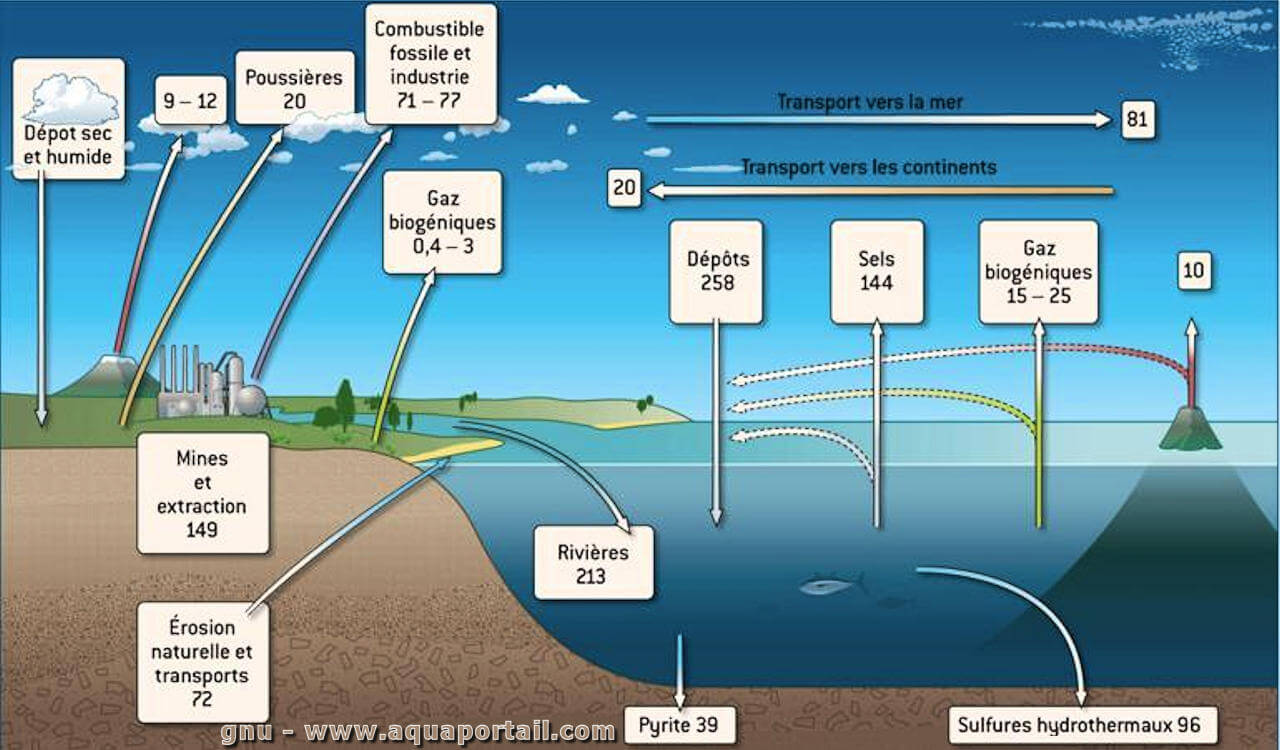
The sulfur cycle is the set of processes by which sulfur moves between minerals and living systems.
xanthophyll cycle
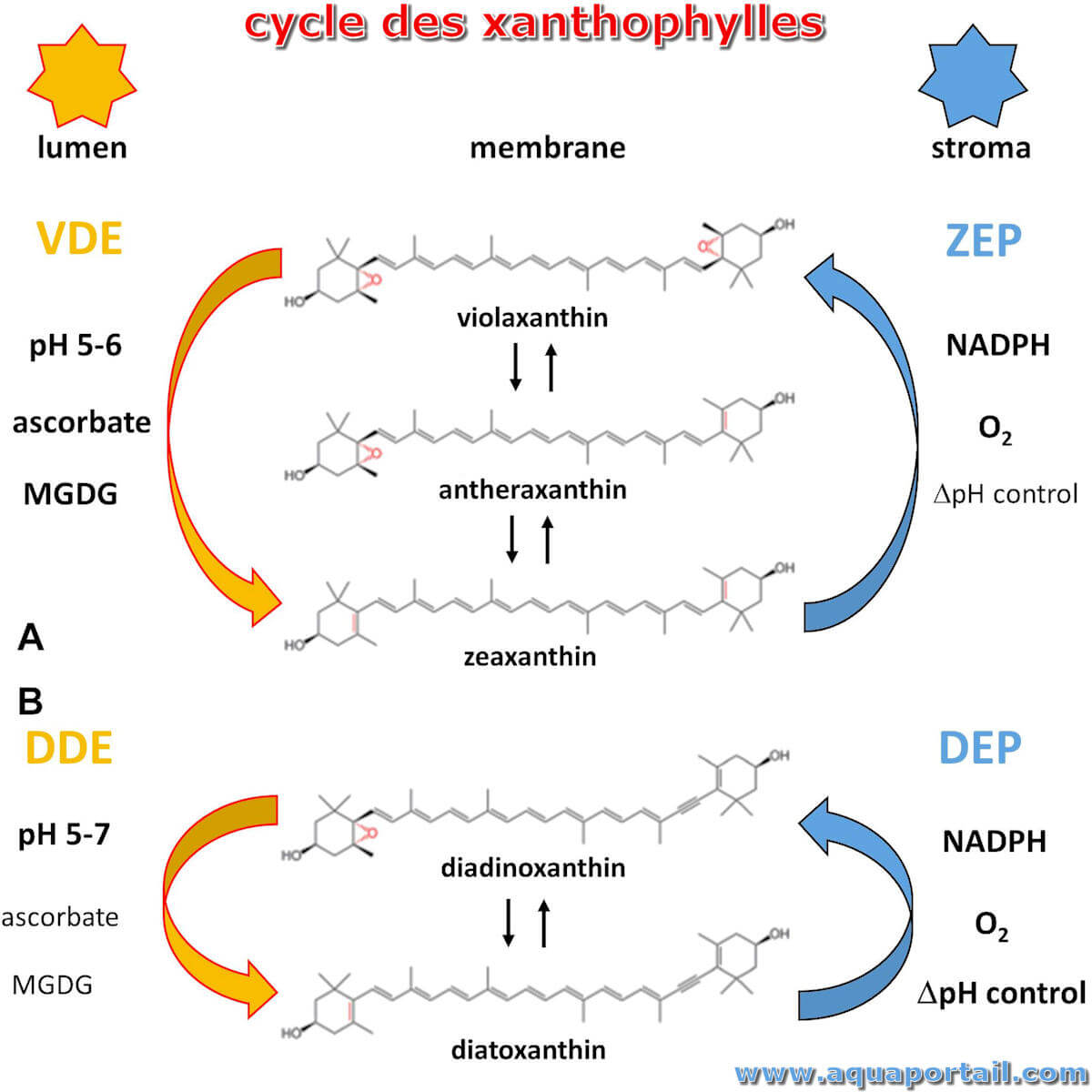
The xanthophyll cycle is a reversible enzymatic mechanism of epoxidation and de-epoxidation (reversible attachment and removal of oxygen atoms as epoxide...
cactus

A cactus is a thick, fleshy plant that grows in many hot, dry regions of the world. Cacti do not have leaves, and many are covered with spines.
