Carbon cycle
noun phrase (n. phr.)
Definition
The carbon cycle is the way nature reuses carbon atoms, which travel from the atmosphere into organisms and minerals on Earth, and then return to the atmosphere over and over again.
Diagram of the carbon cycle:

During its cycle and as a gas, carbon largely takes the form of carbon dioxide. Carbon dioxide is released by organisms when they break down glucose (respiration) or decompose. Autotrophic organisms such as plants use carbon dioxide and sunlight to create glucose. However, carbon dioxide is also released by the decomposition of organic matter, geological processes, and the burning of fossil fuels. Excess carbon dioxide is largely absorbed by the ocean, leading to ocean acidification and potentially contributing to several mass extinctions.
Explanations
From the atmosphere, the carbon cycle touches all Earth spheres: biosphere, pedosphere, geosphere, and hydrosphere. Carbon is transferred between the ocean, atmosphere, soil, and living beings over timescales ranging from a few hours to several centuries.
Carbon circulates between each reservoir in an exchange called the carbon cycle, which comprises both slow and fast components.
The short carbon cycle primarily involves rapid exchanges of carbon between the atmosphere, plants, animals, and the upper layers of the ocean. It is marked by processes occurring over a period of a few years to a few decades, such as photosynthesis, respiration, and the decomposition of organic matter.
The long carbon cycle is much longer than a human lifespan. It spans millions of years and involves geological processes that transform carbonate minerals and rocks. This cycle includes rock weathering, deposition of carbon as sediments, as well as its subduction and re-emission into the atmosphere via volcanic activity.
⭐ At the origin of life, carbon forms key molecules such as proteins and DNA. It is also found in our atmosphere as carbon dioxide (CO2). Carbon is the fourth most abundant element in the universe.
✅ The carbon cycle is a process by which carbon dioxide moves from the atmosphere into living organisms and Earth, and then returns. Plants absorb carbon dioxide from the air, along with water and solar energy (photosynthesis), and use it to produce organic matter (food).
Synonyms, antonyms
Spanish translation: ciclo del carbono
0 synonyms (similar meaning) for "carbon cycle".
0 antonyms (opposite meaning).
Related words and expressions to CARBON CYCLE are directly connected by general or specific meaning.
The expression CARBON CYCLE is listed on page 1 of words starting with C in the dictionary glossary.
Related to "carbon cycle"
Calvin cycle

The Calvin-Benson cycle is the carbon dioxide reduction cycle during the so-called dark (light-independent) phase of oxygenic photosynthesis with carbon...
carbon

Carbon, from the non-metal group, is unique in its chemical properties because it forms a number of compounds exceeding the total formed by all other elements...
carbonic anhydrase
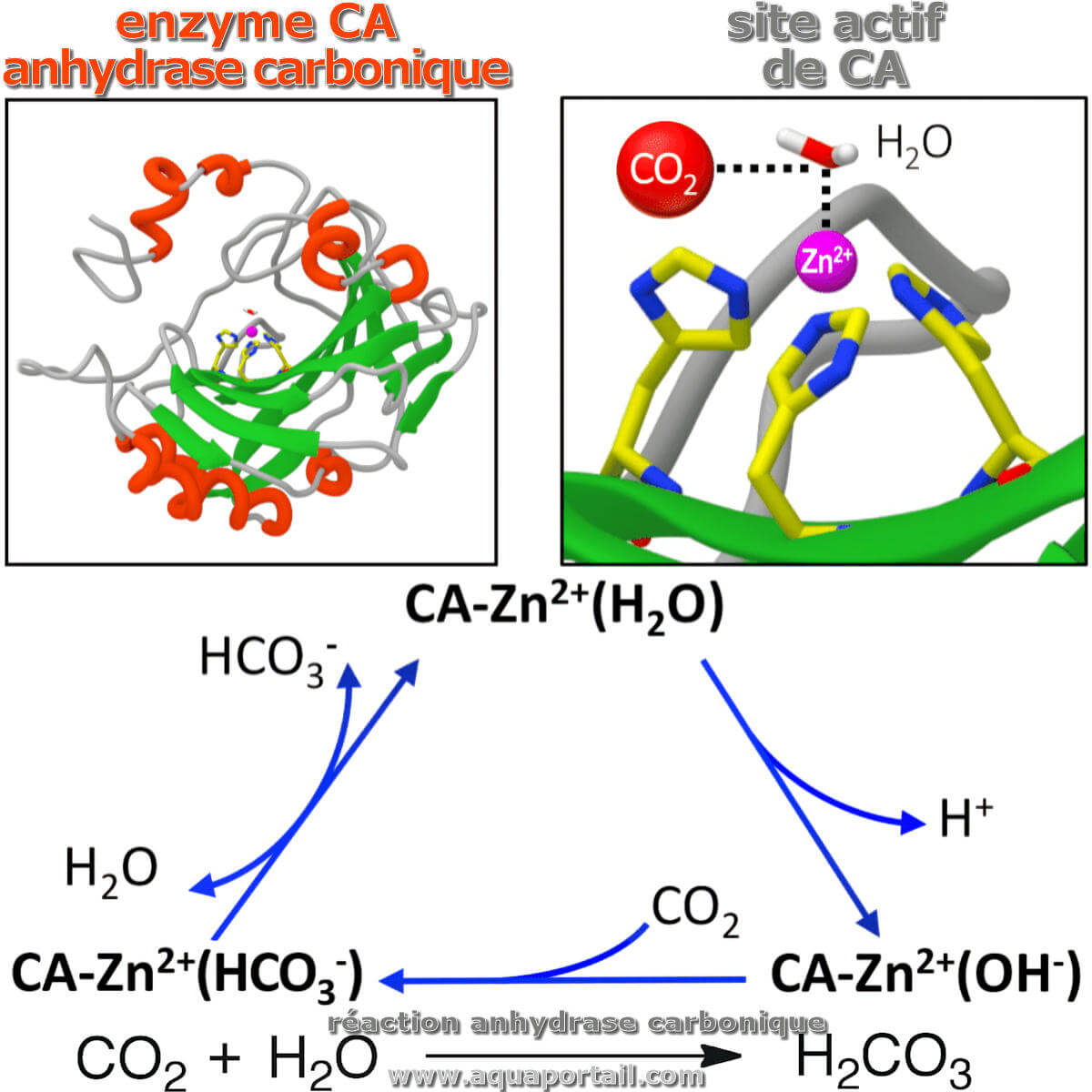
Carbonic anhydrase (CA) catalyzes the reversible hydration and dehydration reactions of CO₂/H₂CO₃.
hydrocarbon

A hydrocarbon is an organic molecule composed exclusively of carbon and hydrogen atoms, representing the most fundamental class of organic compounds.
