Protocerebrum
noun (n.)
Definition
The protocerebrum (protocerebron) is a component of the arthropod nervous system, located behind the optic lobes. A protocerebrum is composed of numerous discrete centers, most of which have no obvious order or neat geometries. Nevertheless, each protocerebral center is a unique entity, and specific centers can be identified across different species.
Explanations
Studies on enhancer-trap lines as well as genetic labeling of cloned neurons are likely to reveal many new features of the cellular organization of the protocerebrum in the near future. Until now, however, few studies have been conducted on these neuropils, even though together they confer great complexity upon the brain. This section focuses solely on two neighboring regions, the lateral protocerebrum and the lateral horn, which are now known to be second-order olfactory neuropils.
✅ In arthropods, the cerebral ganglia (of the brain) are divided into 3 parts: the protocerebrum connected to the compound eyes and ocelli, the deutocerebrum connected to the antennae, and the tritocerebrum connected to the labrum.
⭐ The corpora pedunculata (corpus pedunculatum) are a pair of structures located in the brain of arthropods, notably insects and crustaceans, and certain annelids. They are known to play a role in olfactory learning and memory in insects.
✅ A neuropil is any area of the nervous system composed mostly of unmyelinated axons, dendrites, and glial cell processes that forms a dense synaptic region containing a relatively small number of cell bodies.
Projection neurons of the antennal lobe relay information from olfactory glomeruli to various brain areas via three axon bundles called the inner, middle, and outer antennocerebral tracts. Axons of the inner antennocerebral tract supply axon collaterals to the calyces of the corpora pedunculata. However, olfactory projection neurons providing input to the calyces do not terminate there, but end in a region of the protocerebrum called the lateral horn and, immediately caudal to it, the lateral protocerebrum.
Axons of the middle and outer antennocerebral tracts also innervate these neuropils, which must therefore be regarded as second-order olfactory processing centers of the brain. In honeybees, some axons of the middle tract also target certain neuropils located anterior and ventral to the calyces as well as neuropils surrounding the vertical lobes.
Studies have now shown that discrete terminal fields in the lateral horn and the lateral protocerebral areas immediately caudal to it are innervated by specific groups of antennal lobe glomeruli, demonstrating that the olfactory map existing among the antennal lobe glomeruli is partially maintained in this lateral protocerebral area. With the exception of the calyces, the neuropils targeted by antennal lobe projection neurons are second-order olfactory centers. However, these neuropils are not unimodal olfactory centers, as they also receive input from the optic lobes via large ascending fascicles.
The lateral horn and lateral protocerebrum give rise to local interneuron systems as well as long-axon interneurons, some of which terminate in the lobes of the corpora pedunculata. However, the relationship between the lateral protocerebrum and descending pathways is not yet known. Another poorly understood area concerns its relationship with the central complex.
Pars intercerebralis
In insects, pars intercerebralis refers to a median region of the protocerebrum, the site of prothoracicotropic hormone secretion. The central neuroendocrine system in the Drosophila brain comprises two centers, the pars intercerebralis (PI) and the pars lateralis (PL).
In Drosophila, locomotor activity is sexually dimorphic, and the brain region controlling this dimorphism has been mapped. It has been suggested that neurons of the pars intercerebralis (PI) contribute to such differences between males and females. However, the precise physical nature of the dimorphism, the identity of the PI neurons involved, and the nature of the neural signal encoding the dimorphism remain unknown.
A video-tracking paradigm was used to further characterize the pattern of locomotor activity in Drosophila. The number of activity/inactivity periods (start/stop episodes) is also sexually dimorphic and can be genetically feminized in males. Furthermore, transplanting PI neurons from a female, or feminized PI neurons from a male donor, into a wild-type male recipient is sufficient to induce feminization of locomotor behavior, confirming that this tiny cluster of approximately 10 neurons is directly responsible for the sexual dimorphism of locomotor activity.
Finally, feeding">feeding males fluvastatin, an inhibitor of juvenile hormone (JH), also LED to start/stop feminization, and this effect is reversible by simultaneous application of methoprene, a JH analog, suggesting the existence of neuroendocrine control by JH over such behavioral dimorphism.
Synonyms, antonyms
Spanish translation: protocerebro
3 synonyms (similar meaning) for "protocerebrum":
0 antonyms (opposite meaning).
Related words and expressions to PROTOCEREBRUM are directly connected by general or specific meaning.
The word PROTOCEREBRUM is listed on page 1 of words starting with P in the dictionary glossary.
Related to "protocerebrum"
protonema
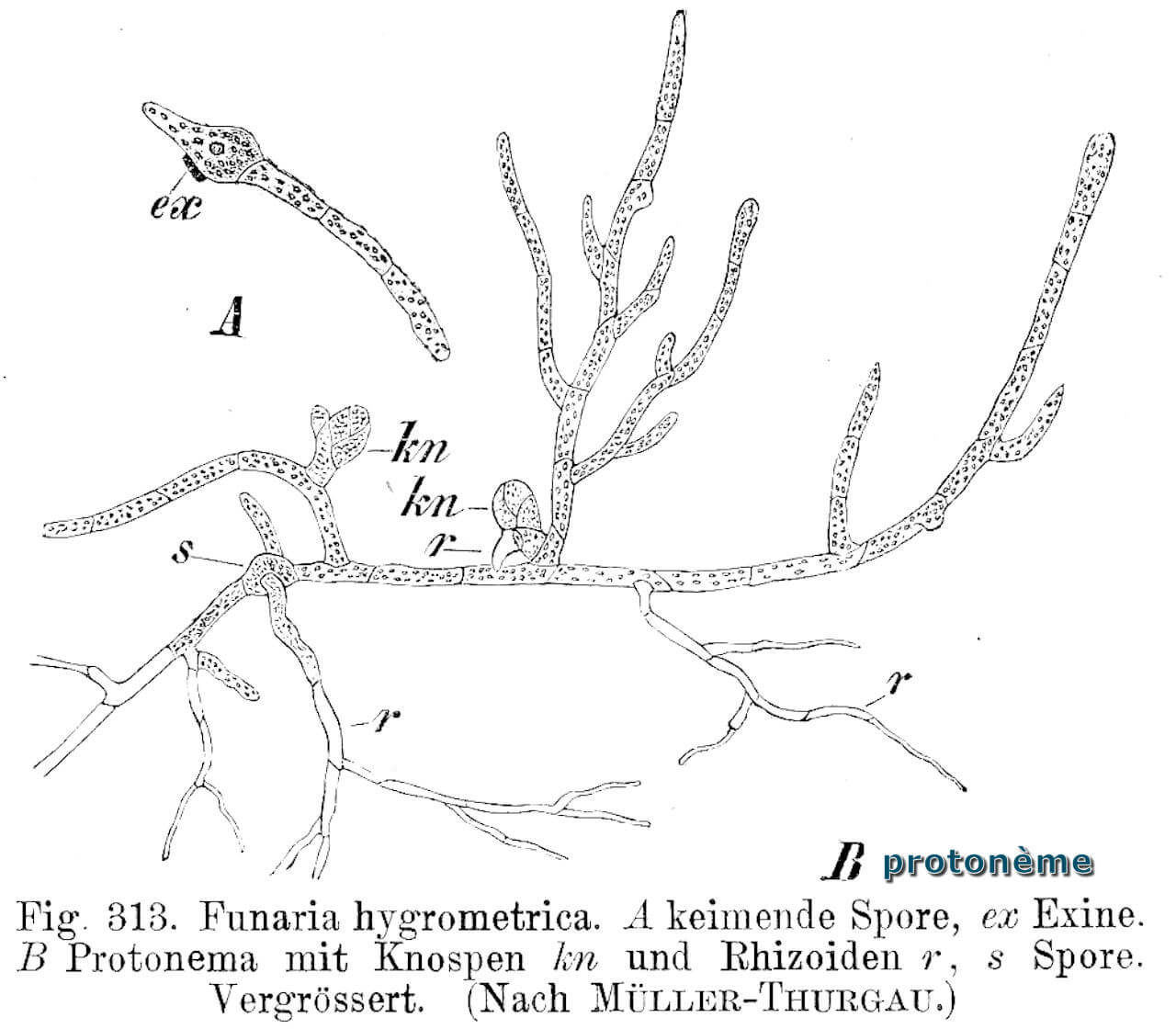
The protonema of a moss or liverwort is a thread-like chain of chlorophyllous cells constituting the initial haploid phase—the earliest developmental stage...
prototype
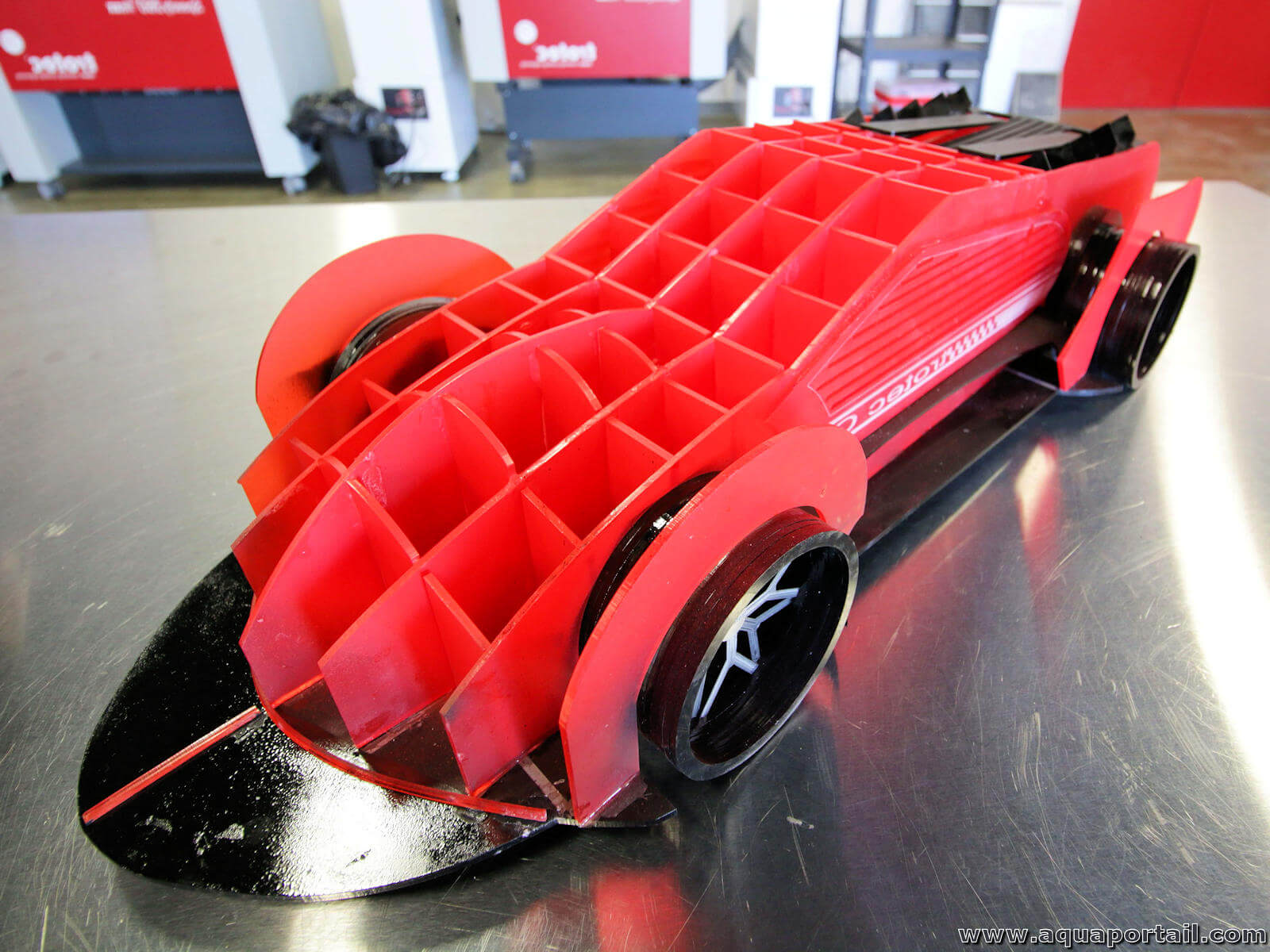
A prototype is an early, typical, or preliminary model of something—particularly a machine—from which other forms are developed or copied.
paedomorphosis

Paedomorphosis (juvenilization) is a phylogenetic change involving the retention of juvenile or even larval traits into a later (adult) stage.
painkiller

A painkiller, or analgesic, is a pain reliever, a medication used to soothe or eliminate pain, whether headaches, muscle aches, arthritis, etc.
