Leucoplast
noun (n.)
Definition
A leucoplast is a plastid lacking photosynthetic pigments and involved in various biosynthetic functions. This non-pigmented plastid serves to store nutrients. In green plants, it can develop into an etioplast or an amyloplast. It transforms into a chloroplast under the action of light and induced photosynthesis.
Typical leucoplasts:

In biology, a leucoplast is a colorless, pigment-free plastid of plants. These organelles are generally present in non-photosynthetic tissues such as roots, tubers, seeds, bulbs, and endosperm. Their main role is the storage of starch, proteins, and lipids, though they also participate in biosynthesis by producing fatty acids, amino acids, and other compounds.
Explanations
A leucoplast is an organelle found in the cells of plants and certain protists. It contains no pigments, unlike other plastids such as chloroplasts. It is not green (lacking chlorophyll) and is found primarily in roots and non-photosynthetic plant tissues.
Depending on the case, leucoplasts are called amyloplasts (accumulation of secondary starch), proteinoplasts (accumulation of proteins, inclusions known as protein bodies), and elaioplasts or lipidoplasts (accumulation of lipids in lipid droplets). They are surrounded by a double membrane, like mitochondria, and possess an internal membrane system that may be finely folded. The interior exhibits a difference in acid concentration.
In certain cases, the photosynthetic function is absent, providing the organelle with a wide array of other biosynthetic functions, including the biosynthesis of acids, fatty acids, numerous amino acids, and tetrapyrrole compounds. Typically, leucoplasts are smaller than chloroplasts and exhibit variable morphology.
An extensive network of intergrana thylakoids has been observed in cells of roots, hypocotyls, and petals. In certain cells, at a given developmental stage, leucoplasts are clustered around the nucleus, with intergrana membranes extending from the cell periphery, as observed for proplastids in meristematic cells.
An etioplast lacks pigments and can technically be defined as a leucoplast. After a few minutes of exposure to light, the etioplast begins transforming into a functional chloroplast and ceases to be a leucoplast.
Description
Leucoplasts are colorless or non-pigmented plastids. They lack photosynthetic pigments, unlike chloroplasts containing chlorophyll (green pigment) and chromoplasts containing other photosynthetic pigments. Leucoplasts are generally found in non-photosynthetic plant tissues, such as roots, seeds, etc.
Leucoplasts (amyloplasts) under a microscope:
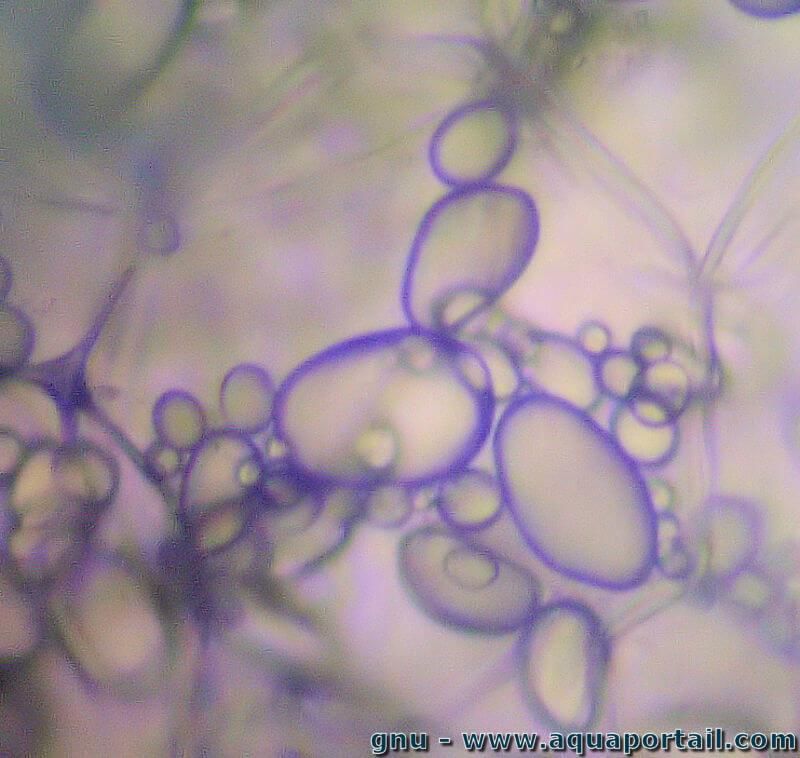
Microscopic view of leucoplasts (amyloplasts) showing details of the starch granule shape.
Function
Leucoplasts are involved in various biosynthetic functions. One of their primary functions is storage. Depending on what is stored, leucoplasts can be classified as amyloplasts (storing starch), elaioplasts (storing fats), or proteinoplasts (storing proteins).
A specialized type of leucoplast, called a tannosome, is essential in the synthesis and production of tannins and polyphenols. Beyond storage, certain leucoplasts participate in the synthesis of fatty acids, certain amino acids, and tetrapyrrole compounds (for example, heme).
Synonyms, antonyms
Spanish translation: leucoplasto
5 synonyms (similar meaning) for "leucoplast":
- amyloplast
- elaioplast
- etioplast
- proteinoplast
- tannosome
0 antonyms (opposite meaning).
Related words and expressions to LEUCOPLAST are directly connected by general or specific meaning.
The word LEUCOPLAST is listed on page 1 of words starting with L in the dictionary glossary.
Related to "leucoplast"
amyloplast
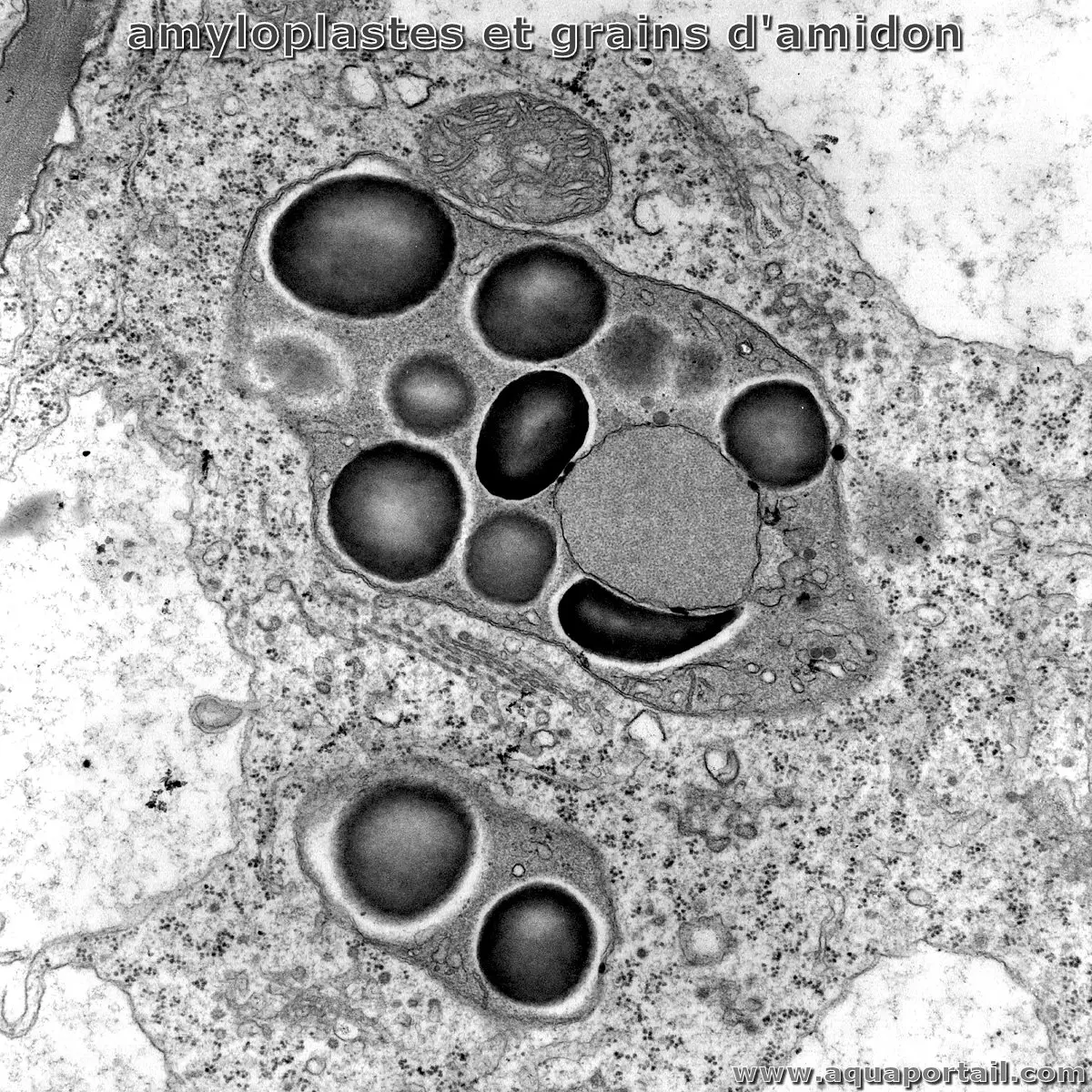
An amyloplast is a colorless plastid that accumulates starch, widespread in the plant kingdom.
leucosin
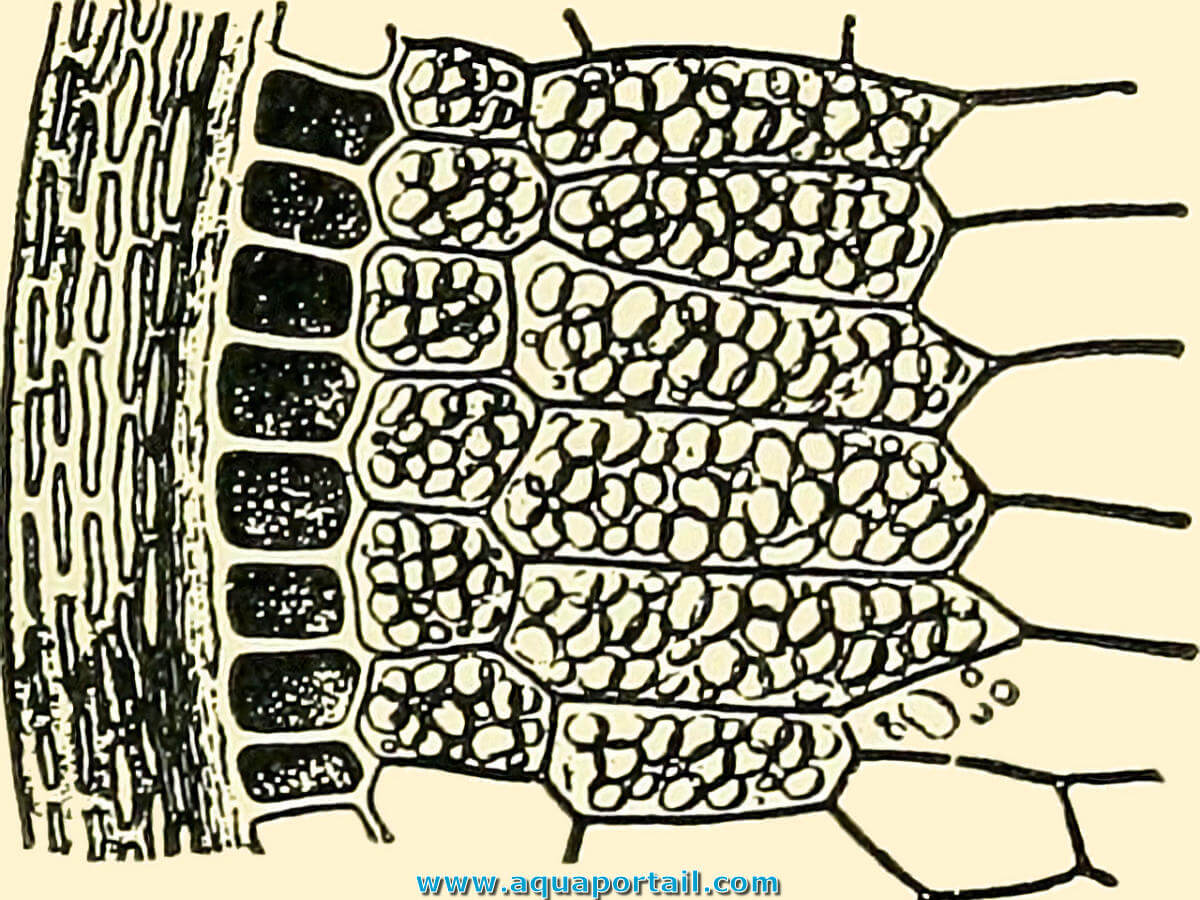
Leucosin is an older name designating vacuolar storage glucans of certain algae (chrysolaminarin and laminarin).
periplast

The periplast is the plasma membrane, or a subcellular proteinaceous layer beneath the plasma membrane, of a euglenoid alga.
L-form bacteria
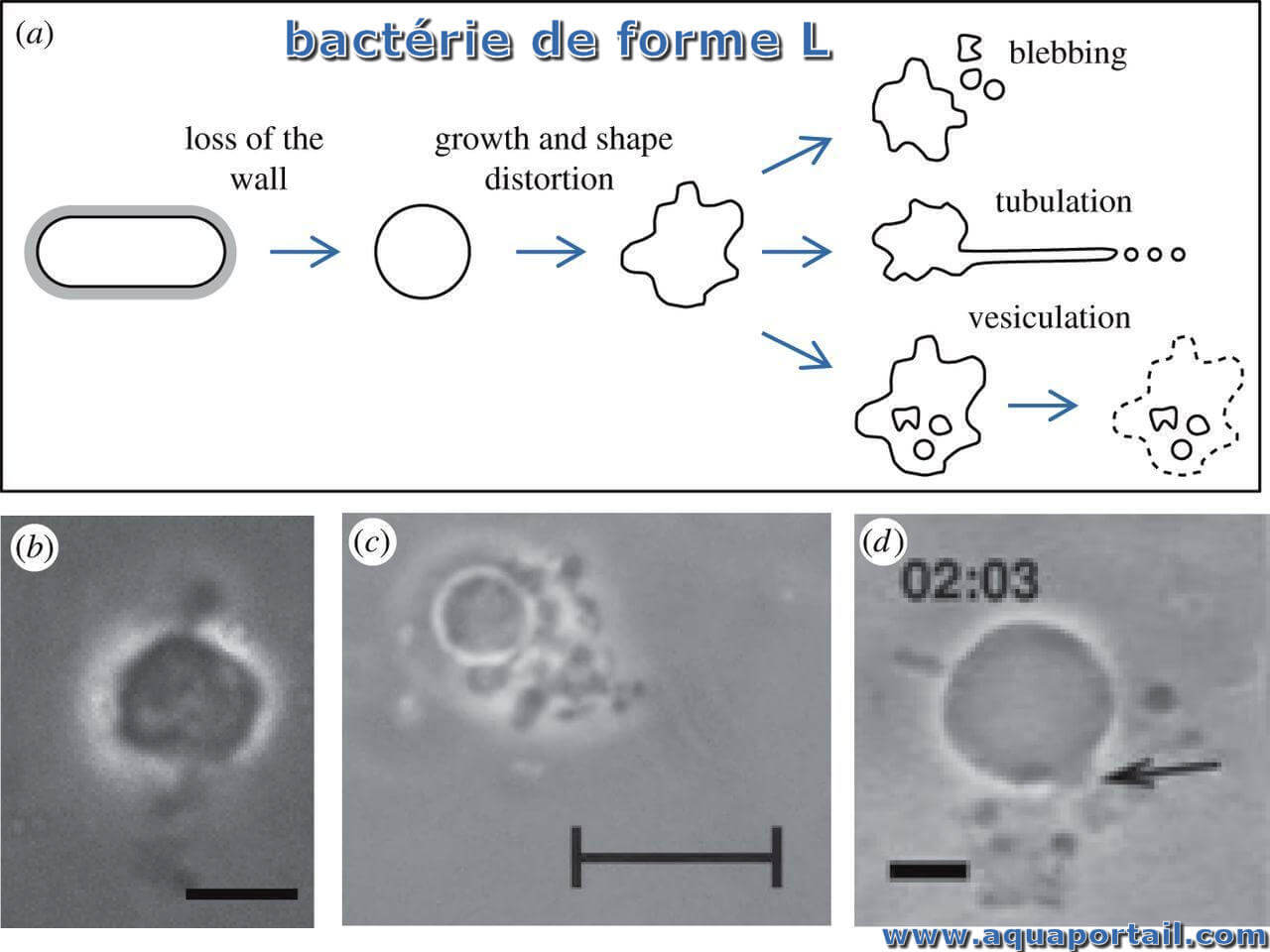
L-form bacteria originate from a strain of bacteria that lack cell walls while retaining the ability to grow.
