Prophase
noun (n.)
Definition
Prophase is the first phase of mitosis, or of the mitotic phase of meiosis, during the cell cycle of living organisms. At this stage, chromosomes condense and the two daughter centrioles, along with their microtubules, migrate toward the poles of the cell. This phase is the most complex stage of cell division. At the end of prophase (sometimes also called prometaphase), the mitotic spindle begins to capture and organize the chromosomes.Prophase:
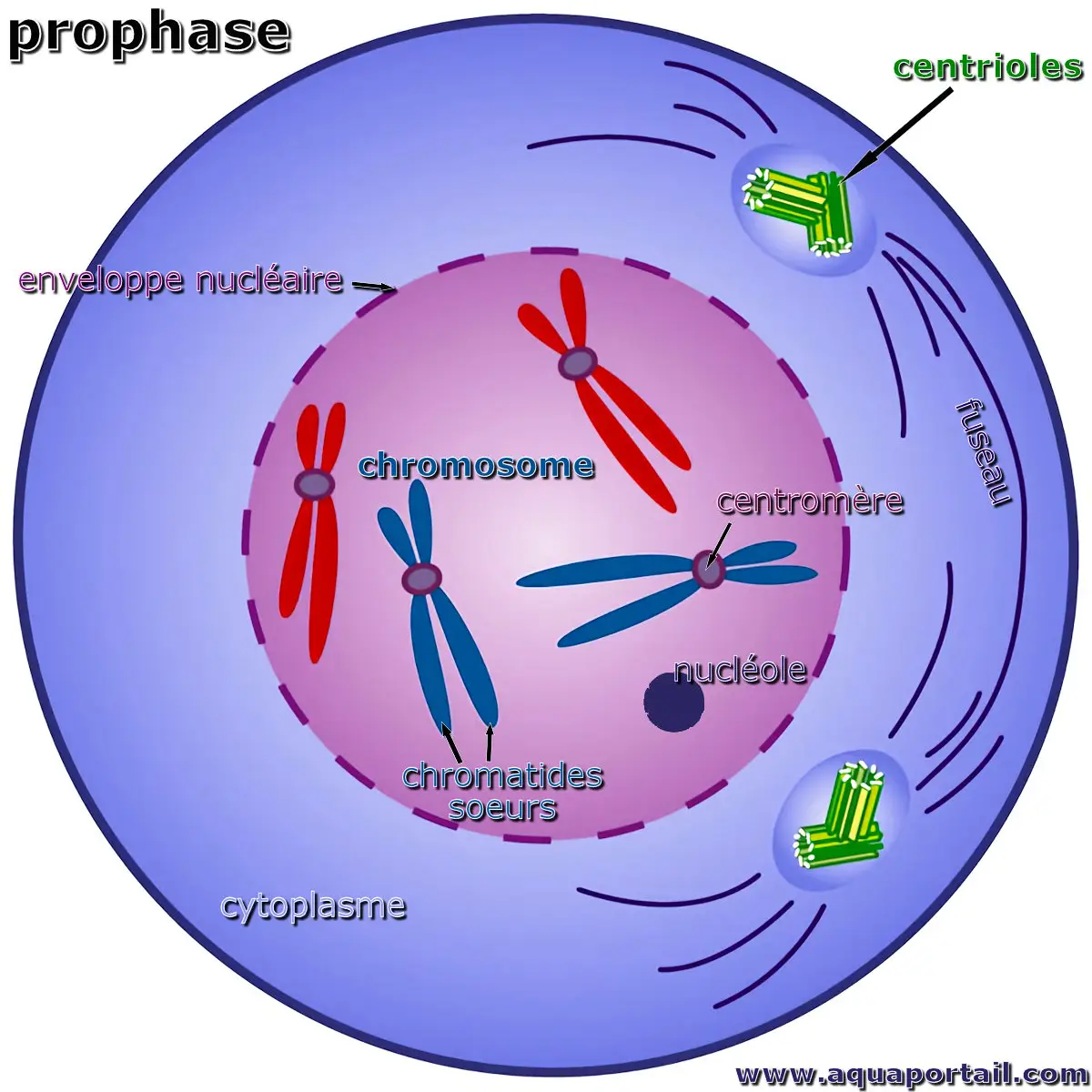
Prophase is the first stage of mitotic or meiotic cell division. During this phase, chromatin condenses to form visible chromosomes, each chromosome consisting of two sister chromatids joined at the centromere. The nuclear envelope begins to disintegrate and mitotic spindle fibers form, preparing the cell for chromosome alignment and separation in subsequent stages.
Explanations
Prophase, in cell biology, is one of the phases of a cell's cycle, with two possibilities depending on whether it is mitosis or meiosis. Prophase is a stage of mitosis in which chromatin condenses into double rod-shaped structures called chromosomes, making the chromatin visible. microscopy can be used to visualize condensed chromosomes during meiosis and mitosis.
Events
In prophase, biochemical changes occur that prepare the cell for division and transition it into a state committed to mitosis. Before reaching a specific point of irreversibility in prophase, chromosome condensation can be halted by physical and chemical influences that damage the cell.
In prophase, sister chromatids are bound to each other by cohesins, but toward the end, the connection between the chromatids is maintained only at the kinetochores, which are already mature but not yet attached to microtubules.
Prophase in a cell cycle:

State of a cell in the prophase cycle. Various DNA stains are used to treat cells so that condensed chromosomes can be visualized as they move through prophase.
When prophase begins, chromatin transcription activity decreases sharply and, by mid-prophase, ceases completely. In many cells, the nucleolus disappears: most nucleolar proteins dissociate and exist in free form in the cell cytoplasm or bind to the surface of chromosomes.
One of the earliest events of prophase in animal cells is the migration of two pairs of centrioles to opposite ends of the cell.
Mitotic prophase
Mitotic prophase defines the first stage of mitosis, during which chromosomes condense and become visible, the nuclear membrane breaks down, and the mitotic spindle organizes between opposite poles of the cell. Beginning after interphase, DNA has already been replicated when the cell enters prophase. The main occurrences in prophase are chromatin condensation and nucleolus disappearance.
Mitotic prophase lasts approximately 40% of the total duration of mitosis. It involves a series of changes in both morphology and the physicochemical state of the cell. It is during this mitotic phase that cell division takes place, in which the nucleus divides into nuclei containing the same number of chromosomes.
Meiotic prophase
Prophase is also the first phase of meiosis, consisting of a series of events that include chromosome thickening and coiling, synapsis of homologous chromosomes, tetrad formation, and crossing-over.
Meiotic prophase is a reductional cell division that produces reproductive cells in sexually reproducing organisms: the nucleus divides into four nuclei, each containing half the number of chromosomes (leading to gametes in animals and spores in plants).
The 5 phases of prophase I:

The 5 phases of prophase I during which homologous chromosomes form bivalents (or tetrads) and crossing-over occurs between non-sister chromatids.
The phases of meiotic prophase are:
- leptotene: first phase in which chromosomes begin to condense
- zygotene: second phase in which synapsis begins and chromosomes pair up (bivalents)
- pachytene: third phase involving crossing-over (exchange of genetic material) between chromatids of homologous (non-sister) chromosomes
- diplotene: fourth phase marking the end of synapsis, where chromosomes of a bivalent separate from each other while remaining linked at chiasmata
- diakinesis: final phase with chromatin contraction toward one side of the nucleus (condensation) during meiotic prophase
The other phases of meiosis are: interphase, metaphase, anaphase, telophase, and karyokinesis.
Synonyms, antonyms
Spanish translation: profase
3 synonyms (similar meaning) for "prophase":
- early metaphase
- first phase of cell division
- karyokinesis
0 antonyms (opposite meaning).
Related words and expressions to PROPHASE are directly connected by general or specific meaning.
The word PROPHASE is listed on page 1 of words starting with P in the dictionary glossary.
Related to "prophase"
interphase
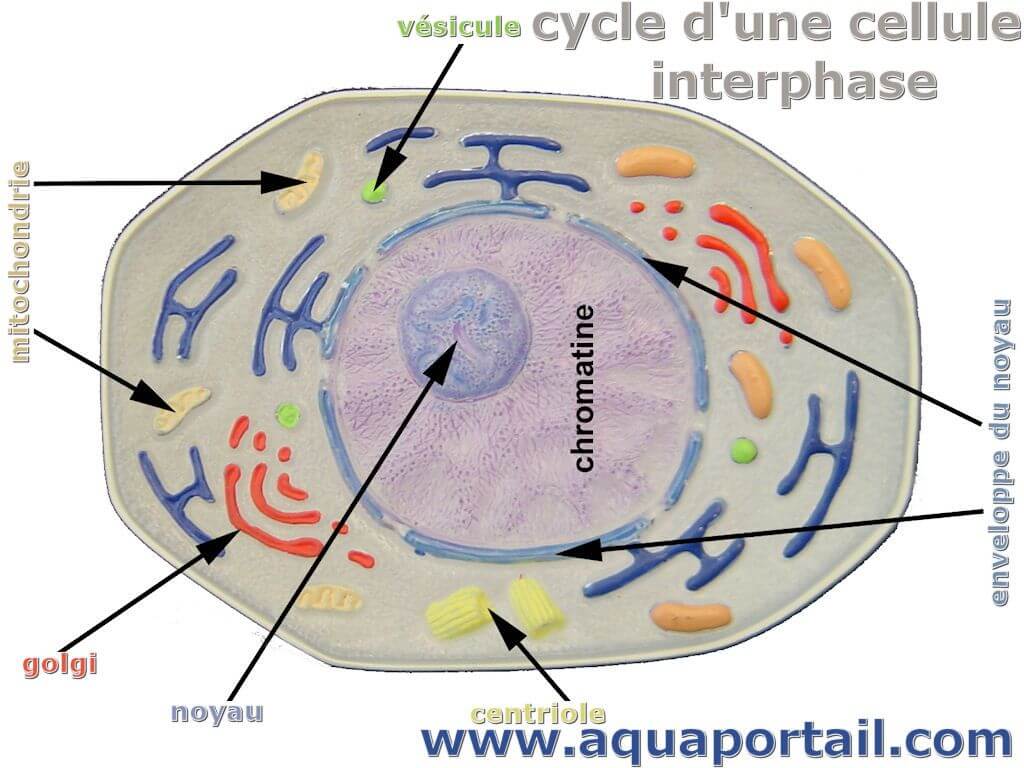
In cell biology, interphase or the resting stage is the first stage of the cell's life cycle and the time when the cell carries out its cellular maintenance...
prometaphase
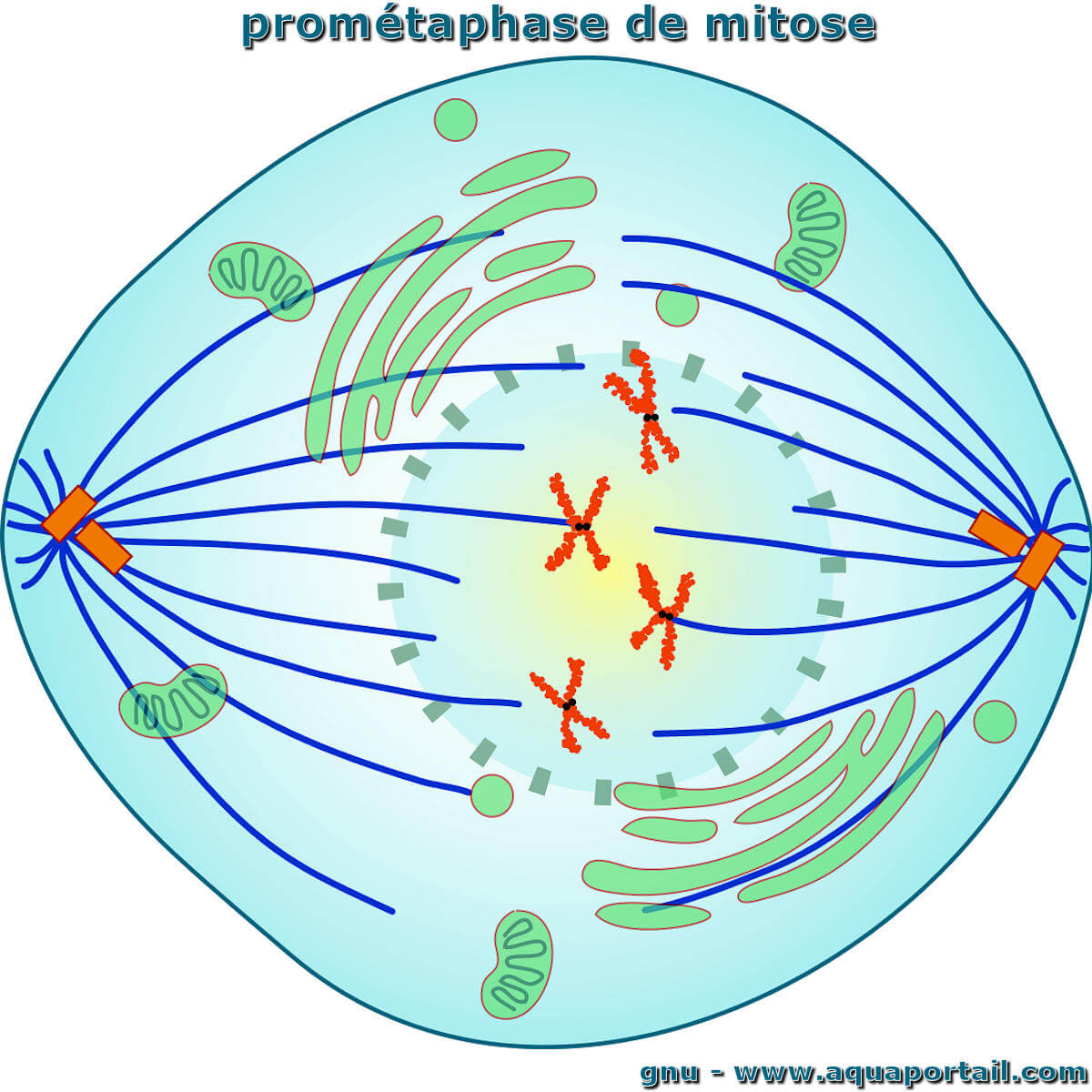
Prometaphase is the phase of mitosis following prophase and preceding metaphase during cell division in eukaryotes, involving an equational division.
luteal phase

The luteal phase of an ovarian or menstrual cycle occurs immediately after ovulation and the ovulatory phase.
P680-P700
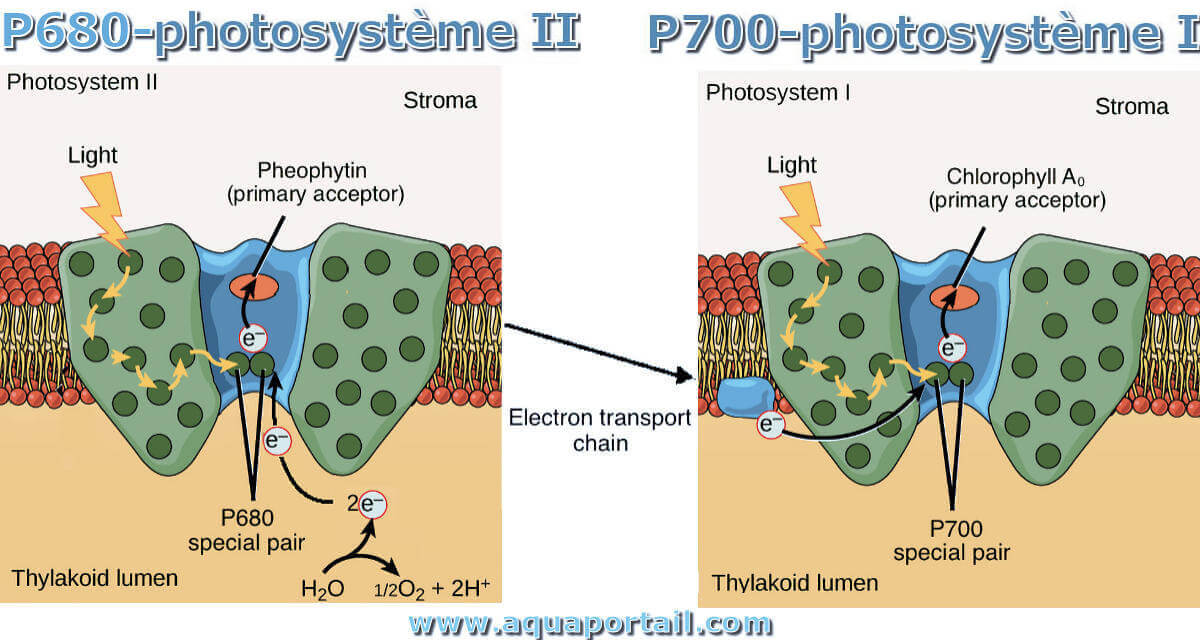
P680-P700 is an association of chlorophyll a molecules absorbing at 680 nm and 700 nm, respectively, possessing particular photochemical properties.
Simple summary
Prophase is the first stage of mitosis or meiosis, during which chromosomes condense, spindle fibers form, and the nuclear envelope dissolves.
