Microscopy
noun (n.)
Definition
Microscopy is the technical field of using microscopes to visualize samples and objects that cannot be seen with the naked eye and which, due to their small size, fall outside the resolution range of the human eye. The microscope is the central element of microscopy.View of pollen grains under colorized microscopy:

This scanning electron microscopy image of pollen grains has been colorized, showing the polymorphism of the pollen grain exine with sporopollenin.
Explanations
Various techniques exist: for example, electron microscopy and light (photonic) microscopy.
Concept
Although the microscope is the central element of microscopy, producing usable images requires an entire set of related methods and techniques extrinsic to the instrument. Some of these are specimen preparation and handling techniques, including binocular techniques, as well as image acquisition, processing, interpretation, and recording techniques, etc.
Except for special techniques such as those used in atomic force microscopy, field ion microscopy, and scanning tunneling microscopy, microscopy generally involves the diffraction, reflection, or refraction of a type of incident radiation interacting with the subject of study.
Microscopy is a discipline performed using a microscope and employed to identify various microorganisms. The method is used, for example, in diagnosing various diseases.
The development of microscopy revolutionized biology, gave birth to the field of histology, and therefore remains an essential technique in the life and physical sciences.
History
Antonie van Leeuwenhoek (Netherlands, 1632–1723), a cloth merchant and lens-grinding enthusiast, succeeded in crafting lenses powerful enough to observe bacteria, fungi, and protozoa, which he called "animalcules" (microorganisms).
The first compound microscope (with multiple lenses) was developed by Zacharias Janssen. From there, technological advances LED to the modern microscopes of our time, which exist in various types and are used for different purposes. Fifty years after the invention of the microscope, the Englishman Robert Hooke improved upon it; Hooke used a compound microscope to study cork sections and described small box-like cavities, which he called "cells".
Optical microscopy
Classical optical (light) microscopy consists of passing visible light from a source (diffracted, reflected, or refracted by the studied subject) through single or multiple optical lenses to obtain a magnified view of the sample. The resulting image can be detected directly by the human eye, printed on a photographic plate, or recorded and displayed digitally (and optionally stored on digital media). A stereoscopic microscope, or stereomicroscope, is primarily suited for direct binocular viewing.
Bacterial microscopy
The study of bacteria by microscopy is performed by spreading culture samples (tissues or fluids) onto a slide (a small glass plate that can be placed under a microscope) and drying them. Bacteria can then be stained by Gram staining, after which they can be divided into Gram-negative and Gram-positive bacteria, making them easier to identify.
Tissue microscopy
tissue samples can be used to study, among other things, tissue architecture (histopathology) and abnormal-looking cells (cytopathology). The study begins by dividing a tissue sample (biopsy) into small fragments that are fixed in formalin or another fixative agent. The fixed tissue is then embedded in paraffin, and the paraffin block is sliced into very thin sections that are mounted on a slide. Next, the paraffin is removed and the tissue is stained with special dyes that enhance microscopic details.
Synonyms, antonyms
Spanish translation: microscopía
3 synonyms (similar meaning) for "microscopy":
- electron microscopy
- light microscopy
- stereomicroscopy
0 antonyms (opposite meaning).
Related words and expressions to MICROSCOPY are directly connected by general or specific meaning.
The word MICROSCOPY is listed on page 1 of words starting with M in the dictionary glossary.
Related to "microscopy"
microsporogenesis

Microsporogenesis is the meiotic formation of haploid microspores from a diploid microspore mother cell.
microbe

A microbe is a unicellular microorganism that can act as a vector for transmitting disease or induce fermentation.
microtubule-organizing center
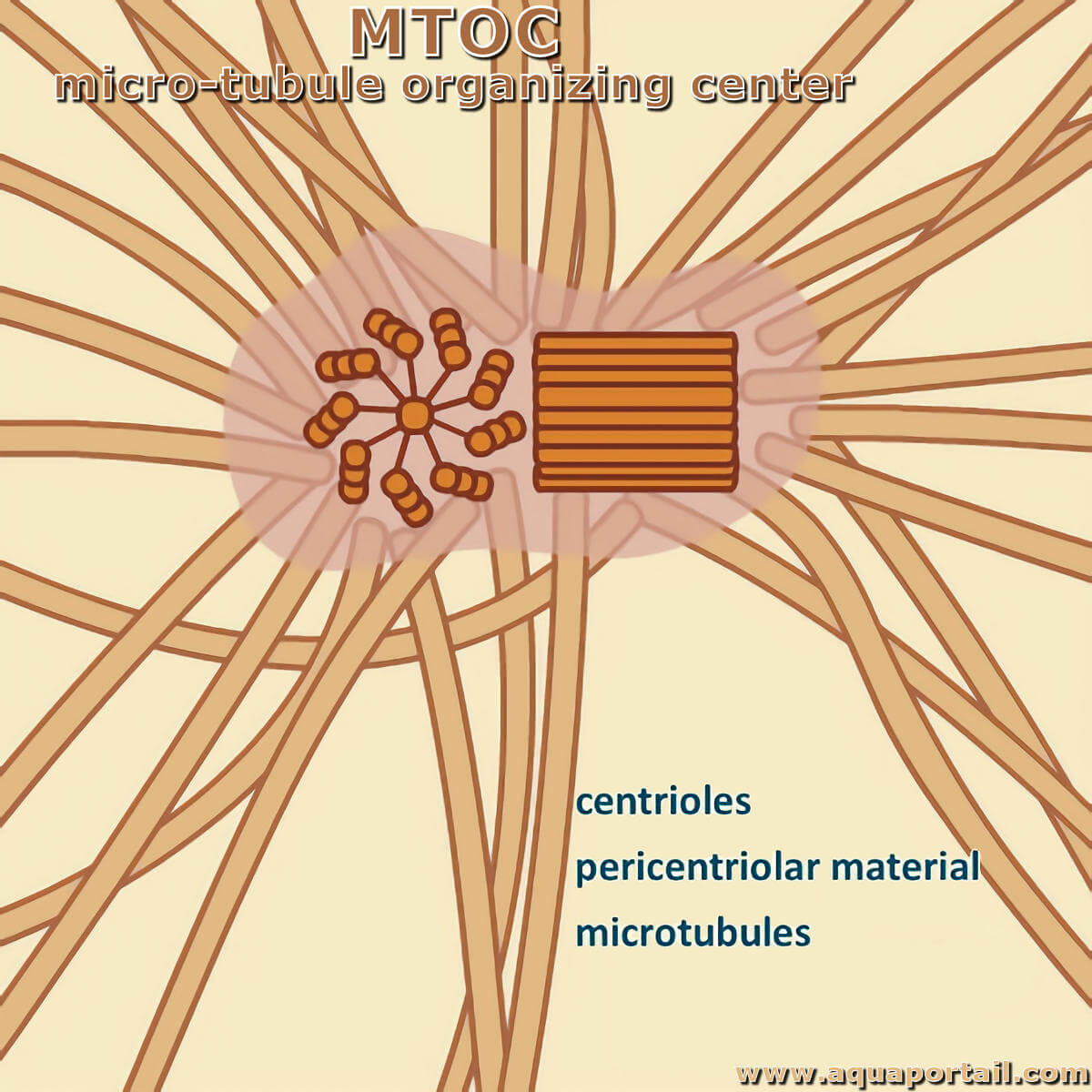
MTOC (from microtubule-organizing center) refers to microtubules, and specifically to microtubule-organizing centers.
macro-organism

A macro-organism, unlike a microorganism, is a living organism visible to the naked eye, regardless of its classification in the animal or plant kingdom.
