Macro-organism
noun (n.)
Definition
A macro-organism, unlike a microorganism, is a living organism visible to the naked eye, regardless of its classification in the animal or plant kingdom. Macro-organisms include all vertebrates, which are never so small as to escape human sight.
A macro-organism in the form of an iguana:

A macro-organism is defined as a visible animal or plant.
Explanations
These macro-organisms encompass animals such as mammals, fishes, reptiles, and birds, as well as a wide variety of invertebrates such as insects and arachnids. However, it should be noted that certain invertebrate species can be so small that they are considered microorganisms.
The distinction between macro-organism and microorganism is based on a loose notion lacking a strict scientific boundary, as many intermediate cases exist. An organism may appear microscopic at birth yet become visible as it develops: this is notably the case for fungi, whose spores are microscopic while the mature fungus is readily observable.
In cultivation, particularly in agriculture, horticulture, and gardening, the term beneficial macro-organism designates small living organisms such as certain invertebrates, insects, spiders, mites, or nematodes, as well as a few vertebrates. These organisms play a crucial role in the biological control of crops against various pests.
For example, since the Asian lady beetle Harmonia axyridis is a natural predator of aphids, the ladybug is termed a beneficial macro-organism, or more simply a biological control agent; as another example, shrews or hedgehogs that feed on snails and slugs help limit the presence of these pests in vegetable crops.
Synonyms, antonyms
Spanish translation: macroorganismo
0 synonyms (similar meaning) for "macro-organism".
1 antonym (opposite meaning):
Related words and expressions to MACRO-ORGANISM are directly connected by general or specific meaning.
The word MACRO-ORGANISM is listed on page 1 of words starting with M in the dictionary glossary.
Related to "macro-organism"
model organism

A model organism is a non-human species extensively studied to understand specific biological phenomena, with the expectation that discoveries made...
madrepore

A madrepore (Madrepora) is a marine animal of the group of scleractinian corals possessing an external skeleton, typically an acropora and encompassing...
mangrove

A mangrove is a coastal salt-marsh biotic zone comprising specific plants, mangrove trees, and plant associations that grow in the intertidal zone...
manure
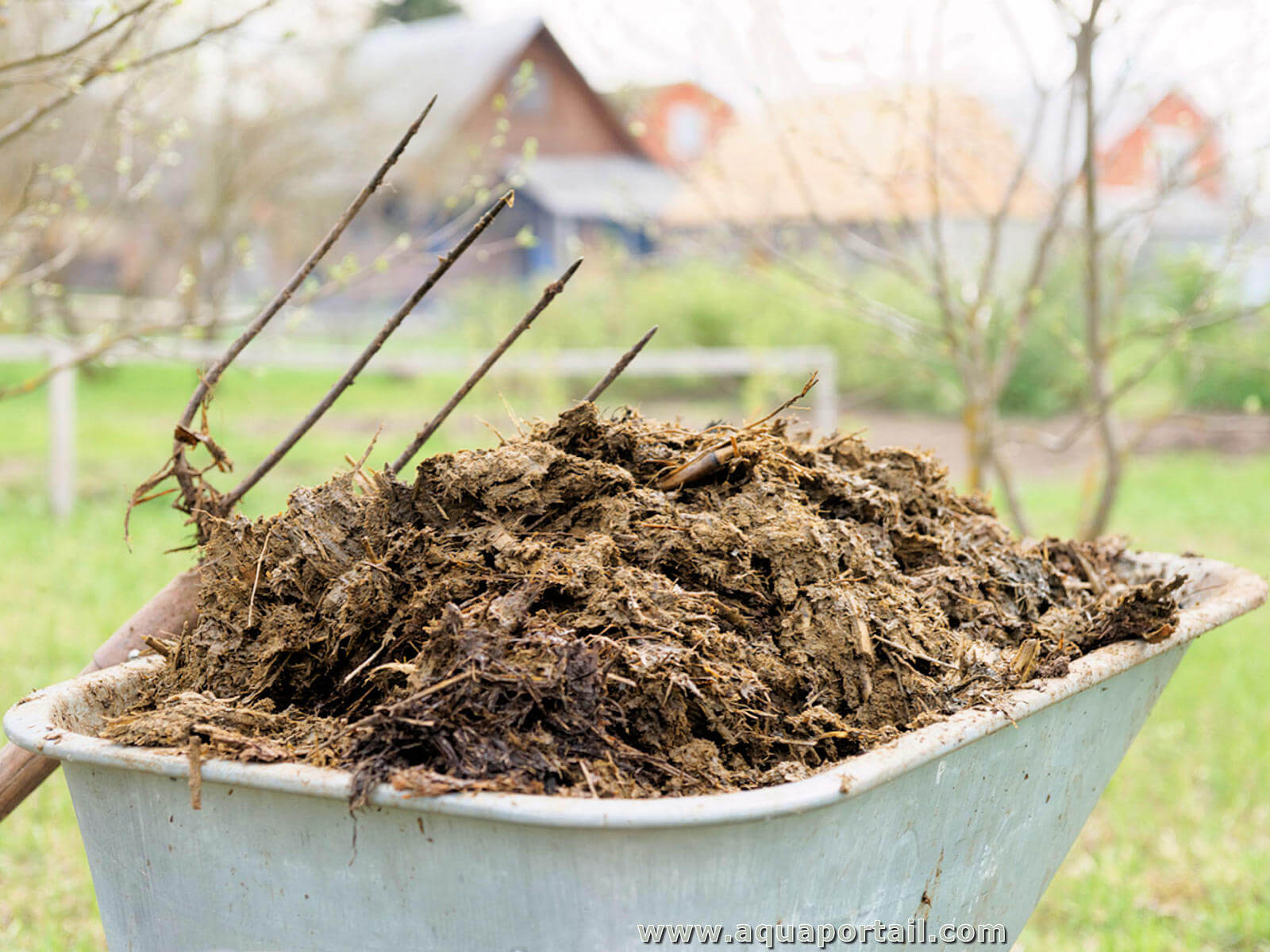
Manure is a mixture of animal droppings and plant bedding used to fertilize land. Manuring consists of applying manure to cultivated soil by spreading.
