Luteal phase
noun phrase (n. phr.)
Definition
The luteal phase of an ovarian or menstrual cycle occurs immediately after ovulation and the ovulatory phase. The luteal phase lasts 12 to 16 days in most women, and phases shorter than 10 days can be problematic for women trying to conceive.
A menstrual cycle with follicular phase and luteal phase:

The luteal phase following the follicular phase in a menstrual cycle is not unique to human females but applies to all primates, with some adaptations across mammals as a whole.
Explanations
Although less well known, the luteal phase is arguably the most important phase of the cycle if fertilization does not occur. The follicle that matured this egg and released it into the fallopian tube during the follicular phase of the ovarian cycle plays a major role in the luteal phase. The follicle transforms into the corpus luteum, a new structure that now releases progesterone. Progesterone prepares and thickens the uterine lining so that the fertilized egg (if it has met a sperm cell) can properly implant in the uterus. If conception does not occur, the corpus luteum degenerates after 10–14 days. Because it degenerates, the source of progesterone also declines. This drop in progesterone causes the uterine lining to shed and the cycle returns to its starting point: menstruation.
Once the egg is released from the ovary, the luteal phase transforms the follicle that held the egg, which collapses and becomes an important structure known as the corpus luteum. This is luteinization. The corpus luteum produces progesterone, a hormone that:
- prevents the release of additional eggs
- thickens the uterine lining
- allows a fertilized egg to implant and develop in the uterus
- alters the three primary fertility signs (basal body temperature, cervical fluid, cervical position).
In the menstrual cycle
A menstrual cycle with its phases:
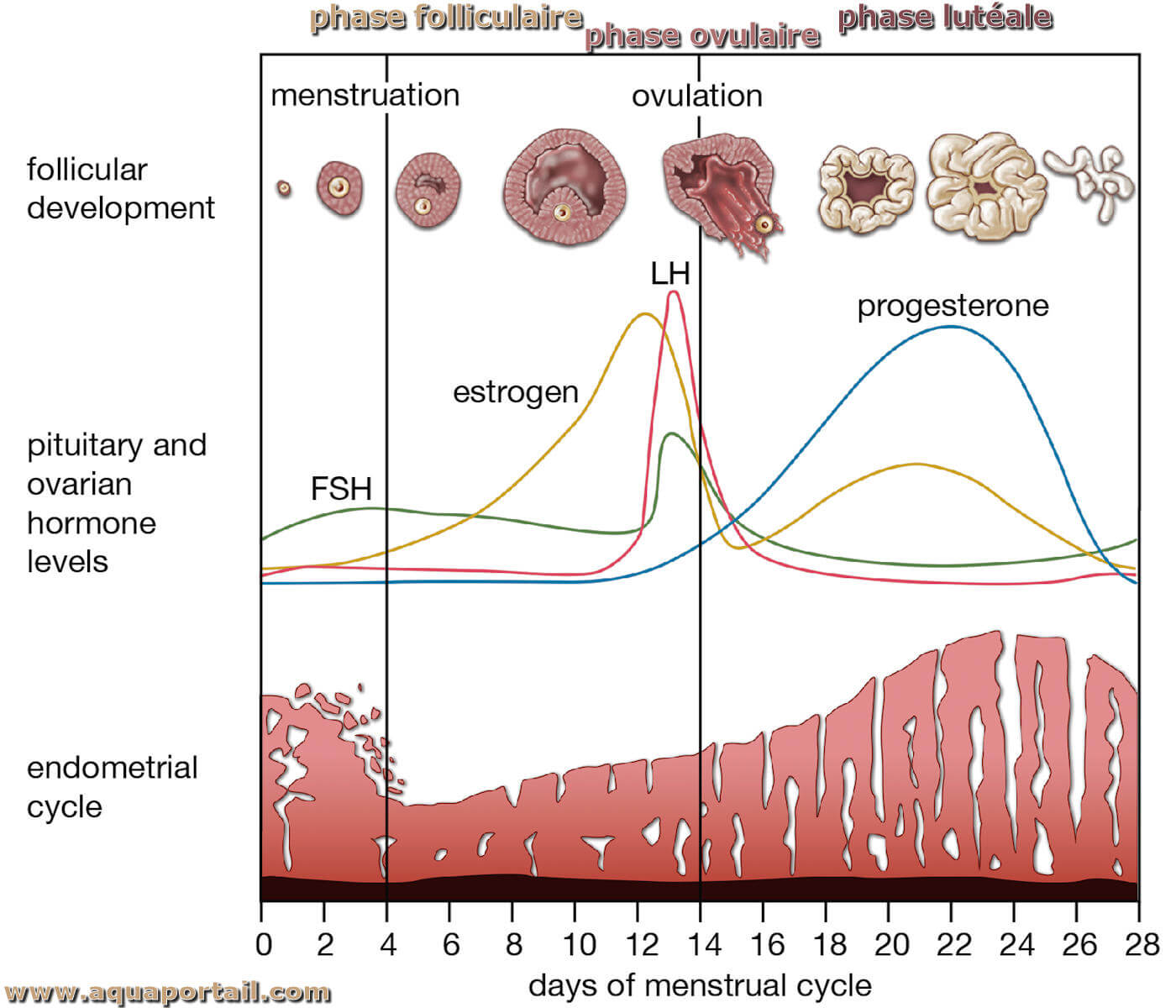
As a reminder, a normal full menstrual cycle comprises a first stage, the follicular phase, followed by the ovulatory and proliferative phase, culminating in ovulation. Next comes the luteal phase, the secretory phase, and finally menstruation if the egg is not fertilized.
Understanding PdG (progesterone metabolite) levels begins with understanding the full menstrual cycle. As for most women, fertility terminology, abbreviations, charts, and figures can become a bit confusing! Yet it really is not that complicated.
The menstrual cycle consists of two main phases: the follicular phase and the luteal phase. The follicular phase is the first half of the cycle and includes menstruation and the fertile window (the period during which it is possible to become pregnant if trying to conceive). It ends with the main event of the cycle: ovulation! The luteal phase occurs after ovulation and is when the body must be ready to receive a fertilized egg if conception has taken place.
In case of conception
If an egg is fertilized, the luteal phase does not end! If conception has occurred, the embryo rescues the corpus luteum from regression so that it can continue producing progesterone until around week 8, when the placenta takes over progesterone production.
⭐ If a fertilized egg implants in the lining of the uterus, it produces the hormones required to maintain the corpus luteum. This includes human chorionic gonadotropin (hCG), the hormone detected in a urine pregnancy test. The corpus luteum continues to produce the high levels of progesterone needed to maintain the thickened lining of the uterus.
However, if the corpus luteum does not produce enough progesterone, the uterine lining may fail to adequately support the embryo, potentially resulting in unsuccessful conception or early pregnancy loss.
⭐ If pregnancy does not occur, the corpus luteum withers and degenerates, usually around day 22 of a 28-day cycle. Falling progesterone levels cause the uterine lining to shed. This is called menstruation. The cycle then repeats.
Luteal phase defect
A luteal phase defect exists when there is an abnormality in endometrial development. There is debate surrounding luteal phase defect and its existence. When a suspected luteal phase defect occurs, progesterone secretion by the ovary is below normal or the endometrium does not respond to normal progesterone stimulation. A luteal phase defect is associated with both infertility and early miscarriage.
Most practitioners will diagnose a luteal phase abnormality by performing two out-of-phase endometrial biopsies, typically 2 days before the expected onset of menstruation.
There are three therapy methods commonly used to treat a defective luteal phase. However, your physician is the best judge to decide which treatment option is most appropriate for you.
Three therapy methods are commonly used to treat luteal phase defects:
- clomiphene citrate or human menopausal gonadotropins (hMG) to stimulate follicular growth
- supplemental hCG to enhance progesterone secretion in the corpus luteum
- post-ovulation progesterone supplementation administered by injection, orally, or via vaginal suppositories or gel is often used.
New tests to evaluate the uterine lining during the luteal phase include Doppler ultrasound and assessment of integrins in endometrial tissue.
Synonyms, antonyms
Spanish translation: fase lútea
3 synonyms (similar meaning) for "luteal phase":
- luteinic phase
- progestational phase
- secretory phase
0 antonyms (opposite meaning).
Related words and expressions to LUTEAL PHASE are directly connected by general or specific meaning.
The expression LUTEAL PHASE is listed on page 1 of words starting with L in the dictionary glossary.
Related to "luteal phase"
cytological alternation of phases
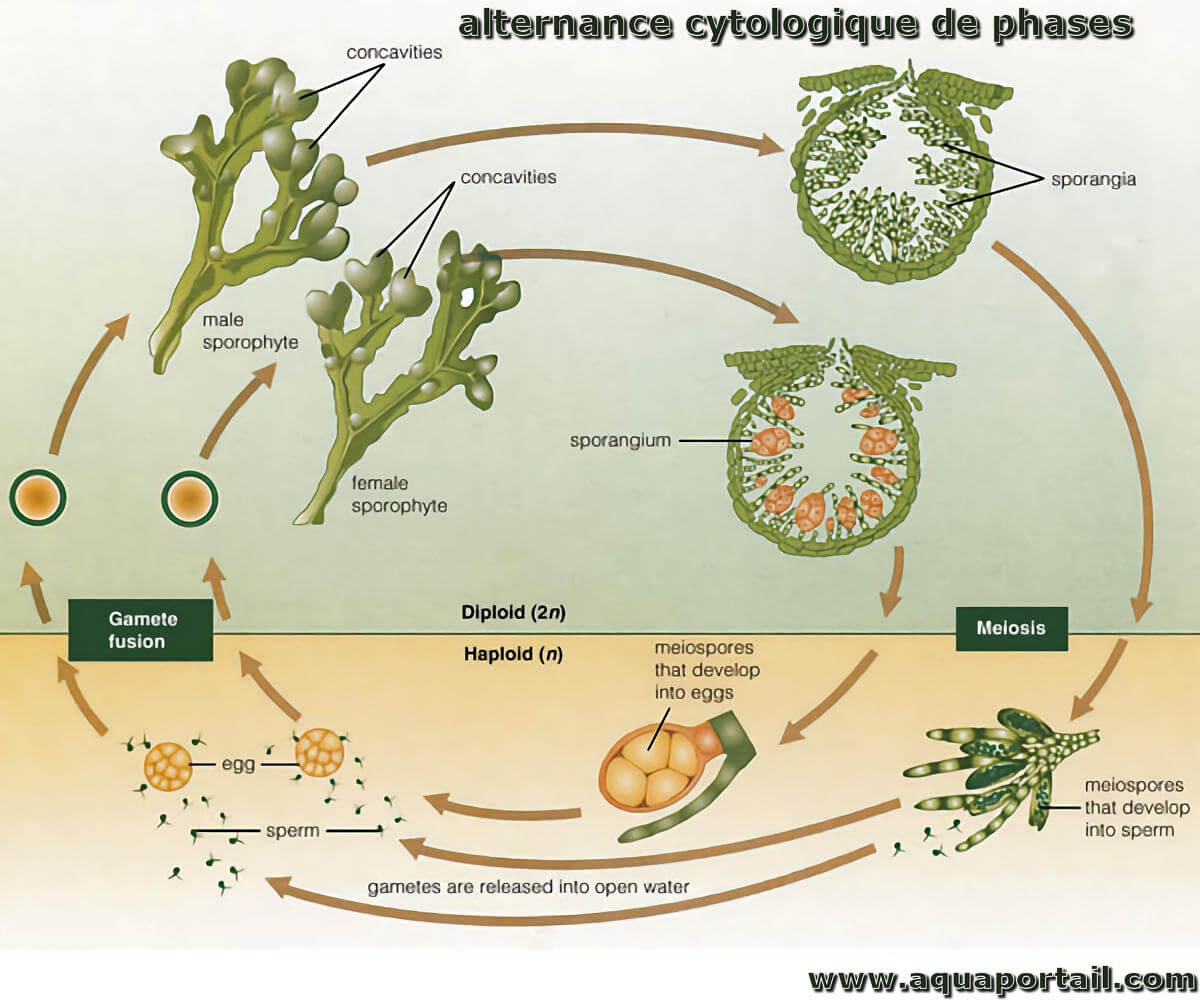
A cytological alternation of phases corresponds to alternating stages characterized by different ploidy levels in an organism's life cycle.
interphase
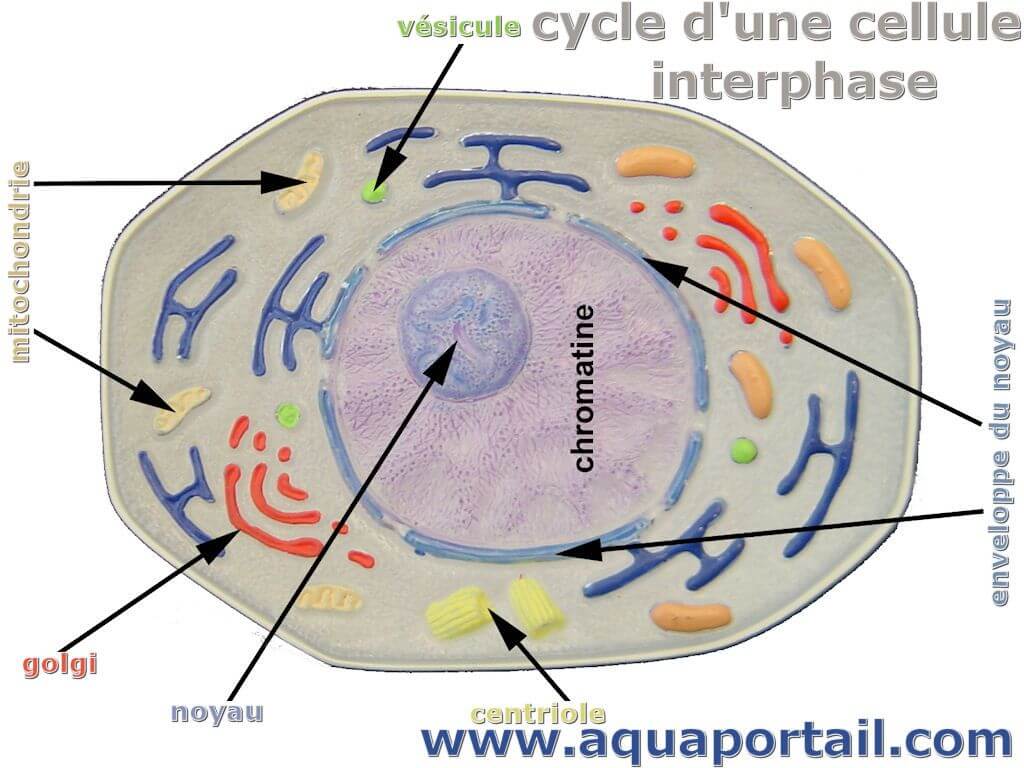
In cell biology, interphase or the resting stage is the first stage of the cell's life cycle and the time when the cell carries out its cellular maintenance...
prometaphase
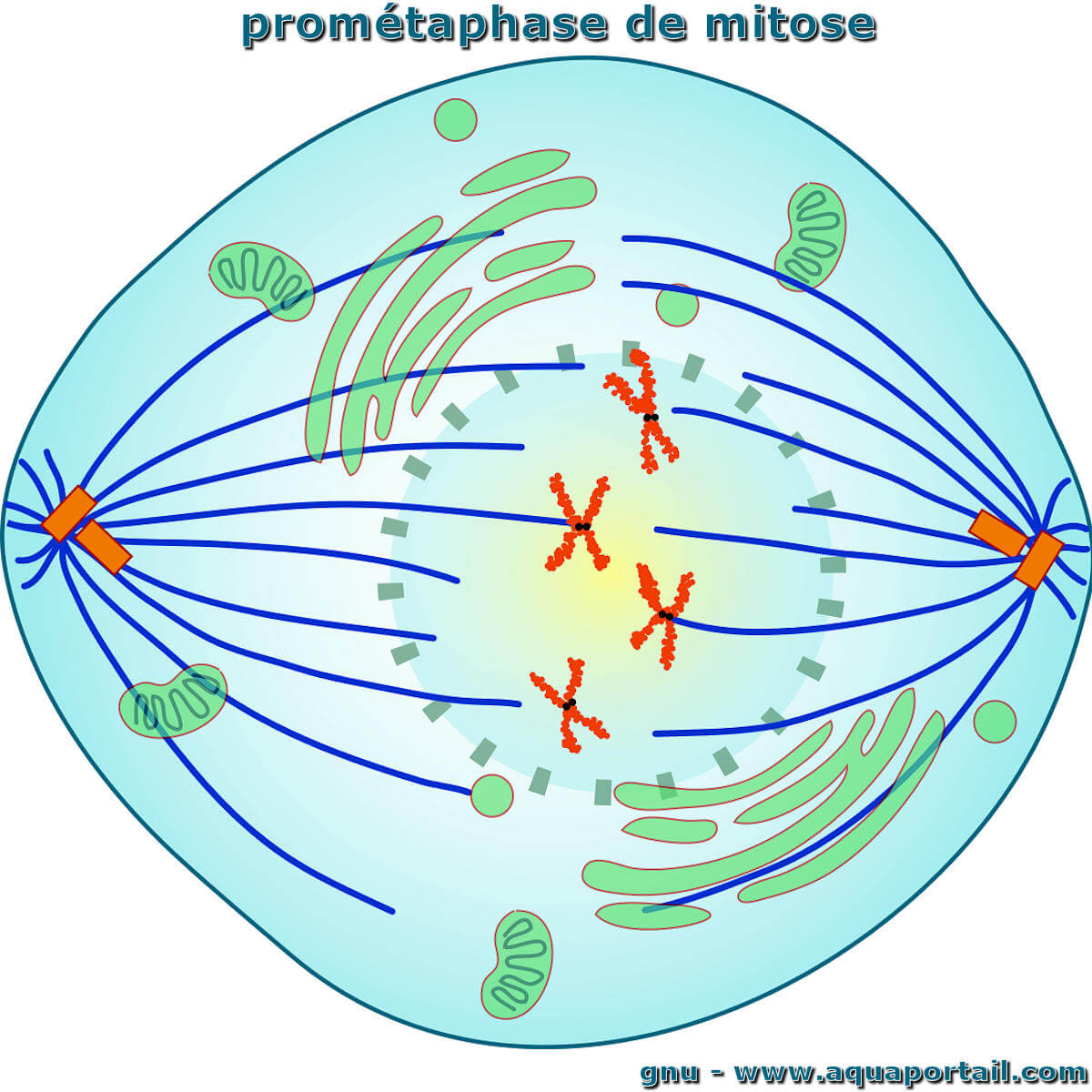
Prometaphase is the phase of mitosis following prophase and preceding metaphase during cell division in eukaryotes, involving an equational division.
L-form bacteria
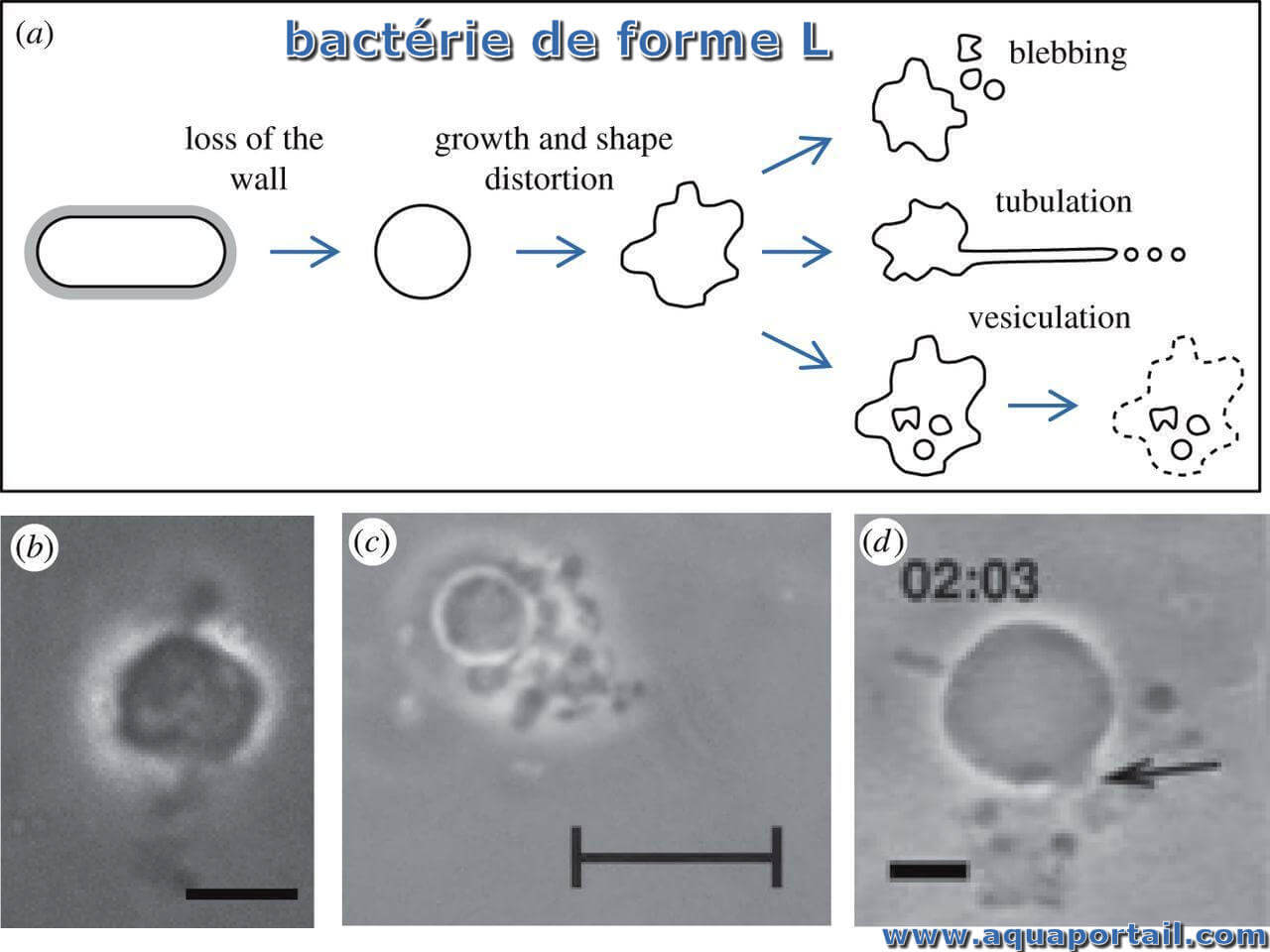
L-form bacteria originate from a strain of bacteria that lack cell walls while retaining the ability to grow.
