Long-distance transport
noun phrase (n. phr.)
Definition
In botanical biology, long-distance transport refers to the transport of compounds from one part of a plant to others, via the network of medullary hyphae with perforated septa whose plasmodesmata allow passage from one cell to another. This transport is a translocation, primarily of small metabolites derived from photosynthesis.
Diagram of long-distance transport:

Long-distance water transport is adapted in plants exposed to heavy metal stress.
Explanations
The passage of compounds from one cell to another can also take place in the cortex, but the term long-distance transport is reserved for transport via the medullary network. For example, long-distance transport of sugars occurs in a tissue called phloem.
Long-distance transport of solutes in the xylem and phloem plays an important role in shoot nutrition, the redistribution of essential elements between tissues during ontogeny, maintaining charge balance in the leaves of nitrate-fed plants, removing potentially toxic elements from leaf tissues, and systemic signaling of plant nutritional status.
⭐ Transport in plants occurs at three levels:
- uptake and loss of water and solutes by individual cells
- short-distance transport of substances from cell to cell at the tissue or organ level
- long-distance transport of sap in the xylem and phloem at the whole-plant level
Metal-induced disturbances in short-distance transport slow down water movement in the vascular system and affect shoot water supply.
Reduced primary root elongation, increased root dieback, or reduction of root hairs exert a deleterious effect on the root absorption zone and water uptake. Lateral root development partially compensates for limited primary root growth.
Inhibited root growth affects hormone synthesis and transport, as well as stomatal movement.
A reduction in the size of vessels and tracheids and partial blockage of xylem elements by cellular debris or gums decrease hydraulic conductivity in the midrib of the root, stem, and leaf.
A decrease in leaf size and lamina thickness, intercellular spaces, stomatal density, and stomatal aperture size reduces the transpiration rate. Stomatal closure is induced directly by heavy metals or is a consequence of the primary effects of metal toxicity on roots and stems.
Related to "long-distance transport"
translocation
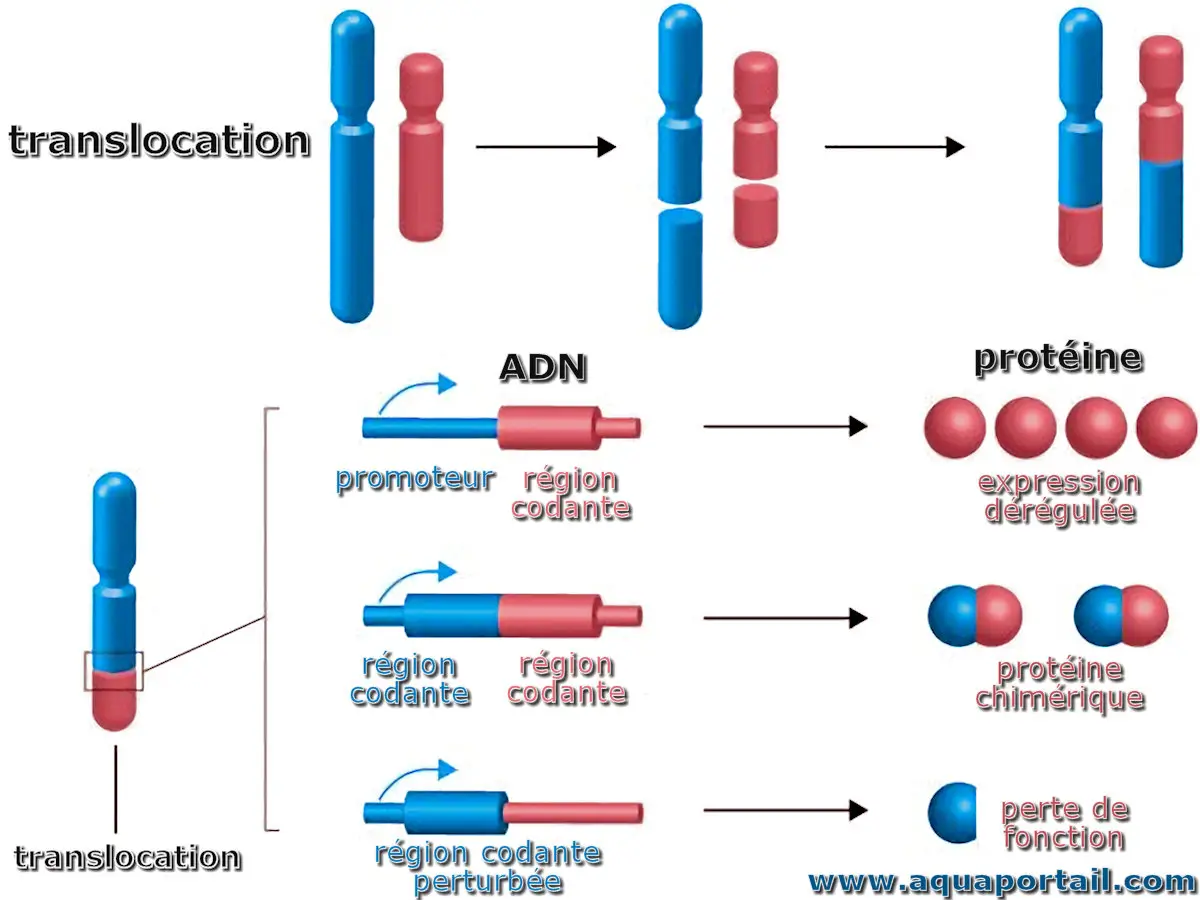
Translocation is a long-distance transport, such as group translocation, though the term takes on different meanings depending on the field considered.
bedload transport

Bedload transport is a sediment-transport process in which a fluid current (water or air) moves large, heavy particles by rolling or sliding along...
L-form bacteria
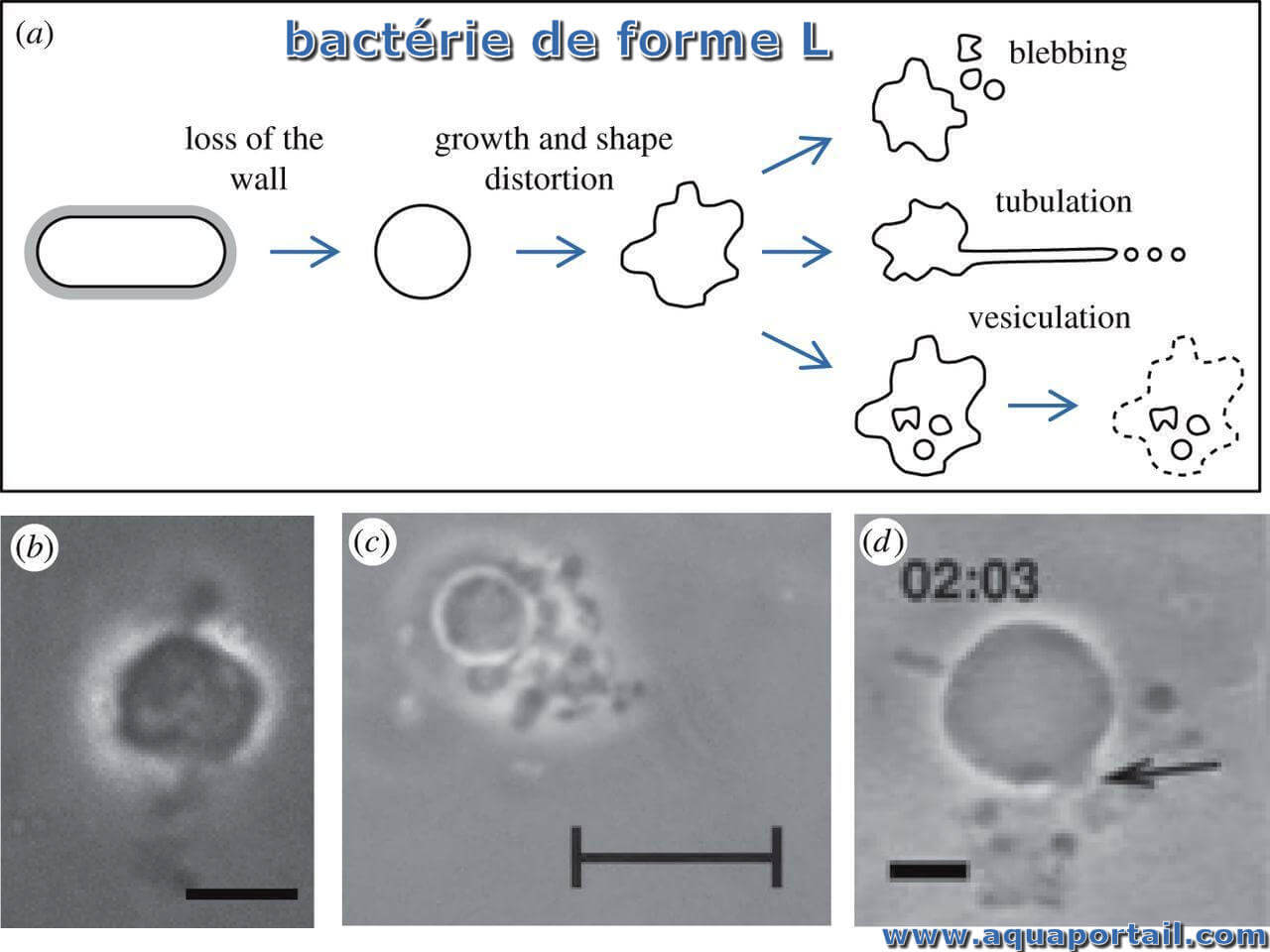
L-form bacteria originate from a strain of bacteria that lack cell walls while retaining the ability to grow.
lake

A lake is a large inland and continental body of freshwater, nearly stagnant or slow-moving.
