Lithoautotroph
noun and adjective (n. / adj.)
Definition
A lithoautotroph is a microorganism capable of generating the energy it needs from reduced inorganic compounds of mineral origin. Lithoautotrophic organisms combine a lithotrophic metabolism to obtain reducing power with the use of an autotrophic carbon source.
Comparison between lithoautotrophy and heterotrophy:

Main growth modes of Ralstonia eutropha H16. Schematic representation illustrating key aspects of lithoautotrophic and heterotrophic metabolism. Yellow circles represent central metabolic processes, whereas the yellow/green circle represents the Calvin-Benson-Bassham cycle. Red squares symbolize the two energy-conserving hydrogenases. Gray circles indicate polyhydroxyalkanoate (PHA) storage granules.
Explanations
Lithoautotrophic organisms are exclusively microscopic; macrofauna are incapable of carrying out this type of metabolic activity. Most of these organisms belong to the domain Bacteria or the domain archaea. Moreover, most lithoautotrophic organisms (literally "rock-eaters") are characterized by being extremophiles.
The extreme evolutionary specialization to which these microorganisms have been subjected has constrained them to occupy nearly exclusive ecological niches with little intraspecific competition and obliges each species to specialize on a single type of molecule for obtaining carbon.
Lithoautotrophic organisms may also combine another trophic mode: chemolithoautotrophs (+ chemical energy) and photolithoautotrophs (+ light energy).
Lithoautotrophy
Lithoautotrophy is a trophic mode specialized in exploiting mineral compounds derived from rock. Only microorganisms (bacteria and archaea) practice this form of autotrophy.
Archaea
Thermoacidophilic and lithoautotrophic members of the Archaea exhibiting high levels of metal resistance inhabit these acidic, metal-rich environments and are used in biomining (bioleaching) processes to extract base and precious metals by converting them into soluble forms.
One such archaeal species is Metallosphaera sedula (busy metal-mobilizing spheres), a lithoautotroph originally isolated from a solfataric field in Italy. It grows optimally over a pH range of 2.0 to 4.5 at 70 to 75 °C (158 to 167 °F), and unlike many other members of the family Sulfolobaceae, it can grow autotrophically using a modified 3-hydroxypropionate cycle to fix inorganic carbon.
Microbial electrochemical CO2 reduction
Microbial electrochemical CO2 reduction employs whole-cell biocatalysts, and biological CO2 fixation is powered by electrical energy. Whole-cell biocatalysts primarily include methanogens, acetogens, metal-oxidizing bacteria, sulfate-reducing strains, and aerobic lithoautotrophs. Among these biocatalysts, pure methanogens and acetogens have been evaluated in microbial electrochemical systems (MES) for their capacity to reduce CO2 to methane and acetate, respectively. Several acetogens, such as Clostridium autoethanogenum, Clostridium ljungdahlii, and Clostridium ragsdalei, can naturally form ethanol from CO2 and H2.
Molecular tools can also be used to improve the selectivity of ethanol production with Clostridium autoethanogenum. Co-culture tests indicated that the sulfate-reducing strain IS4 (Desulfopila corrodens) accepts electrons from the cathode and generates hydrogen as an intermediate, while Methanococcus maripaludis and Acetobacterium woodii consume the formed hydrogen to produce methane and acetate, respectively.
Aerobic lithoautotrophs such as Cupriavidus necator (formerly known as Ralstonia eutropha) show potential as biocatalysts for microbial electrochemical CO2 reduction due to their rapid growth, natural accumulation of polyhydroxybutyrate, availability of genetic tools, and oxygen tolerance. Under electroautotrophic conditions, C. necator can oxidize H2 or formate produced electrochemically in situ to fix CO2 via the Calvin cycle.
Isobutanol and 3-methyl-1-butanol have undergone bioelectrosynthesis from CO2 using engineered C. necator, with formate as an intermediate. The spectrum of products from microbial electrochemical CO2 reduction with C. necator is expected to broaden because heterologous pathway engineering has been shown to enable efficient production of compounds such as branched-chain alcohols, alkanes, and 3-methyl-1-butanol. A multi-stage bioprocessing system has recently been proposed for microbial electrochemical CO2 reduction; thus, heterotrophic microorganisms such as yeasts and fungi could also be adopted to upgrade organic intermediates.
Example with the bacterium Cupriavidus necator H16
The H2-oxidizing lithoautotrophic bacterium Cupriavidus necator H16 is a metabolically versatile organism capable of subsisting, in the absence of organic growth substrates, on H2 and CO2 as its sole energy and carbon sources. Cupriavidus necator H16 first attracted biotechnological interest nearly 50 years ago with the realization that the organism's ability to produce and store large amounts of poly[R-(-)-3-hydroxybutyrate] and other polyesters could be harnessed to manufacture biodegradable plastics.
The complete genome sequence of both chromosomes of C. necator H16 has been recorded. Together, chromosome 1 (4,052,032 base pairs, bp) and chromosome 2 (2,912,490 bp) encode 6,116 putative genes. Genome sequence analysis provides the genetic foundation for exploiting the biotechnological potential of this organism and offers insight into its remarkable metabolic versatility.
Synonyms, antonyms
Spanish translation: litoautótrofo
4 synonyms (similar meaning) for "lithoautotroph":
- autotroph
- chemolithoautotroph
- lithoautotrophic
- photolithoautotroph
1 antonym (opposite meaning):
Related words and expressions to LITHOAUTOTROPH are directly connected by general or specific meaning.
The word LITHOAUTOTROPH is listed on page 1 of words starting with L in the dictionary glossary.
Related to "lithoautotroph"
autotrophy

Autotrophy is the trophic mode of an organism capable of synthesizing organic matter from inorganic matter.
autotroph

An autotroph is an organism that synthesizes organic matter from inorganic matter using minerals, light energy, or chemical energy.
heterotroph
A heterotroph is a living organism that sustains itself by assimilating organic substances and carbohydrates derived from other organisms.
L-form bacteria
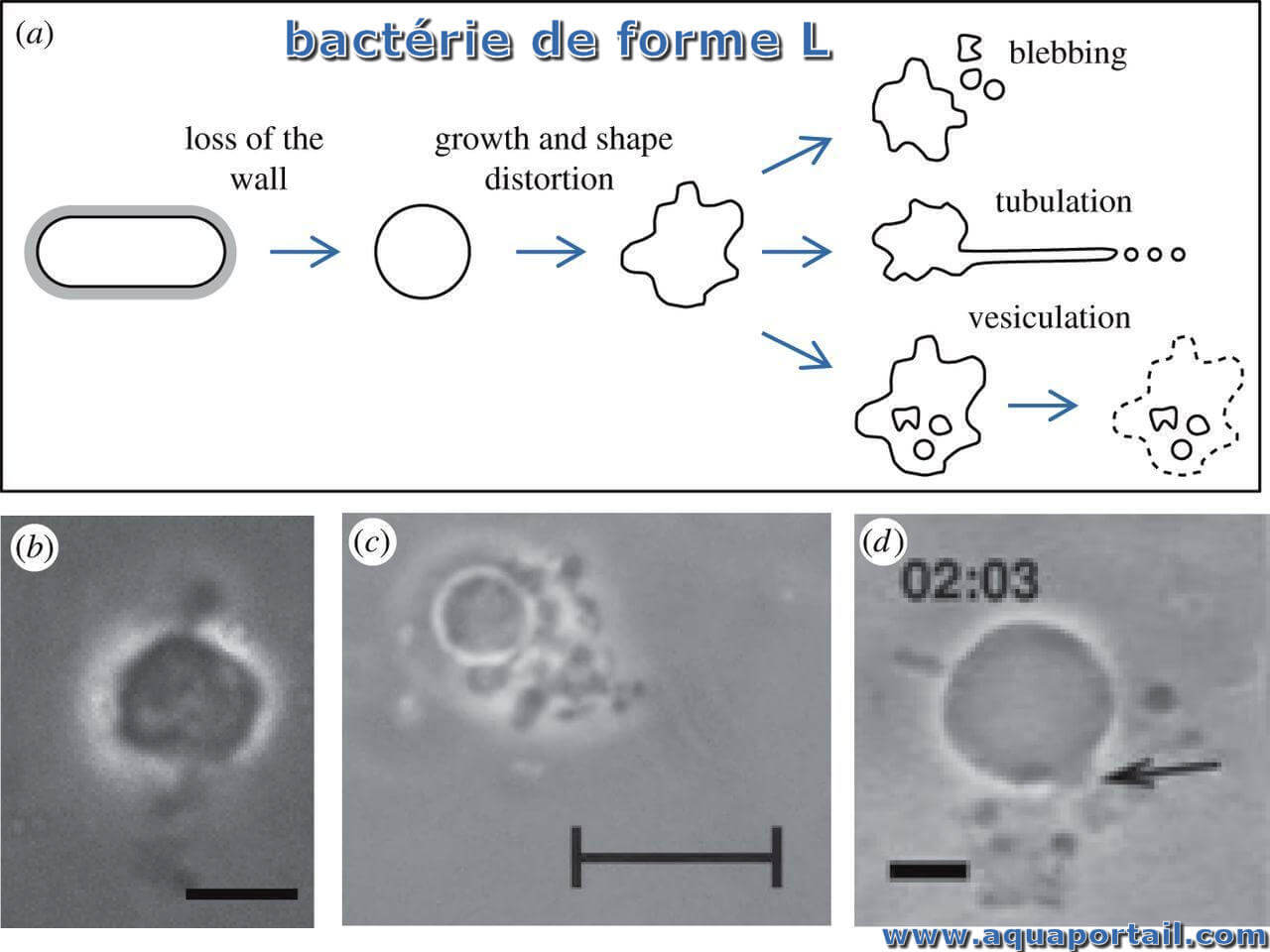
L-form bacteria originate from a strain of bacteria that lack cell walls while retaining the ability to grow.
