Lipogenesis
noun (n.)
Definition
Lipogenesis is the biosynthesis of fatty acids (lipids) and triglycerides from non-lipid precursors such as glucose or other substrates. It is a pathway for the metabolism of excess carbohydrates. It is activated by high carbohydrate availability. Its opposite is liponecrosis.The process of lipogenesis:

De novo lipogenesis (DNL) is a complex and highly regulated metabolic pathway. Under normal conditions, DNL converts excess carbohydrates into fatty acids that are subsequently esterified into storage triacylglycerols (TG). These TGs may later provide energy via β-oxidation. In the human body, this pathway is primarily active in the liver and adipose tissue. However, it is considered a minor contributor to serum lipid homeostasis. Dysregulations of the lipogenic pathway are associated with various pathologies.
Explanations
Lipogenesis is primarily derived from carbohydrates and contributes relatively little to whole-body lipid stores, accounting for 1 to 3% of total fat balance in humans consuming a typical diet.
Lipogenesis, the biosynthesis of lipids and fats, takes place in the endoplasmic reticulum. Alveolar cells are capable of synthesizing short-chain fatty acids, which derive mainly from acetate. Long-chain fatty acids, derived mainly from blood plasma, are used in milk fat. Triglycerides are taken up from plasma, as well as synthesized from intracellular glucose oxidized via the pentose pathway. Fat synthesis from carbohydrates plays a predominant role in fat production in breast milk.
Lipogenesis is partly controlled by parasympathetic innervations of adipose tissue originating from separate sympathetic and parasympathetic neurons in the periventricular nucleus and the suprachiasmatic nucleus of the hypothalamus.
Lipogenesis and adipocytes
Lipogenesis in adipocytes is affected by several dietary and hormonal factors such as insulin. Expression of GLUT4 receptors is enhanced by insulin. This increases glucose uptake by adipocytes and also activates pyruvate dehydrogenase. In the presence of sufficient glucose, insulin upregulates acetyl-CoA carboxylase and other enzymes involved in carbon chain elongation. A high-carbohydrate diet stimulates lipogenesis in adipocytes, whereas fasting reduces it. Glucose enhances lipogenesis by stimulating insulin secretion and upregulating several lipogenic genes.
In contrast to the effects of insulin, growth hormone inhibits lipogenesis in adipocytes both directly by downregulating fatty acid synthase and indirectly by reducing adipocyte sensitivity to insulin action. Leptin also affects lipogenesis in adipocytes, decreasing adiposity possibly through mechanisms affecting neural pathways linking the hypothalamus to white adipose tissue (WAT).
De novo lipogenesis
De novo lipogenesis is the process by which carbon precursors of acetyl-CoA are synthesized into fatty acids. Lipogenesis increases considerably when individuals are fed a hypercaloric, high-carbohydrate diet. Diet and adipose tissue, rather than the liver, appear to be the primary sites of lipogenesis under this nutritional load. Thus, unlike in other species such as mice, de novo lipogenesis is largely a minor contributor to adipose tissue.
De novo lipogenesis is a process occurring primarily in the liver and adipose tissue. These metabolic steps take place in the cytoplasm (mitochondria), where excess carbohydrates are converted into fatty acids and esterified into triglycerides. De novo lipogenesis begins with the conversion of acetyl-CoA into malonyl-CoA by acetyl-CoA carboxylase, involving several cycles and reactions.
Lipogenesis (oil synthesis) in plants
Lipid synthesis in animal cells is localized in the smooth endoplasmic reticulum. However, smooth endoplasmic reticulum is rarely observed in plant cells because most plant lipids are produced in the proplastid, chloroplast, or elaioplast. Elaioplasts are plastids specialized in oil synthesis and storage and are found mainly in the anther cell layer surrounding developing pollen grains (tapetum cell or tapetal layer). After meiosis and just before pollen release, the tapetal layer degrades and releases the elaioplasts, which supply their oils to the exine, the outermost and impermeable pollen wall.
Oil synthesis in seeds is a more complex process utilizing plastids (fatty acid synthesis), the endoplasmic reticulum (lipid assembly and maturation), and specialized oil bodies (storage), as well as trafficking of precursors and products between the different compartments. Plant seed oils provide a major caloric intake for the world population.
Astaxanthin treatment
Lipogenesis is an important metabolic pathway in the pathogenesis of malignant tumors, particularly hepatocellular carcinoma (HCC). The induction of oxidative stress and the imbalance of adipokines observed in obesity are significantly associated with HCC. Moreover, expression of a major fatty acid synthesis enzyme (FASN) is elevated in HCC and several types of cancers.
It was found that 20 weeks of astaxanthin administration (200 ppm) in obese db/db mice treated with diethylnitrosamine (DEN) significantly reduced the reactive oxygen metabolites/biological antioxidant potential ratio, a serum marker of oxidative stress, and increased serum adiponectin levels as well as mRNA expression of the antioxidant enzymes SOD2 and GSH-Px 1 in the liver. Astaxanthin treatment also reduced hepatic FASN and cyclin D1 mRNA levels and prevented the development of hepatocellular adenoma and hepatocellular carcinoma.
Example with Saccharomyces cerevisiae and cancer cells
Several key metabolic processes underlying lipogenesis in fermenting yeast Saccharomyces cerevisiae and cancer cells have comparable rates and exhibit analogous regulatory patterns in both cell types. Because of these similar properties of key metabolic processes underlying lipogenesis, this is a shared metabolic trait of rapidly proliferating yeasts and cancer cells.
The enzymes and other metabolites involved are:
- CCO, cytochrome c oxidase
- ETC, electron transport chain
- HK, hexokinase
- PDC, pyruvate decarboxylase
- PDH, pyruvate dehydrogenase
- PDHK, pyruvate dehydrogenase kinase
- PFK, phosphofructokinase
- PK, pyruvate kinase
- PM, plasma membrane
- LDH, lactate dehydrogenase
- MIT, mitochondrion
- SDH, succinate dehydrogenase
- TCA, tricarboxylic acid.
Inhibition of lipogenesis
Various mechanisms enable different antitumor pharmaceuticals to inhibit lipogenesis in cancer cells. These mechanisms slow down lipogenesis-related processes common to rapidly proliferating yeasts and cancer cells, notably genes, proteins, and processes whose increased expression levels, activities, and rates promote tumorigenesis in cells not exposed to small-molecule lipogenesis inhibitors.
Liponecrosis
The molecular mechanism underlying a liponecrotic form of programmed cell death in yeast is liponecrosis. Brief exposure of yeast to exogenously added palmitoleic acid can trigger liponecrotic cell death, which differs from all other currently known cell death programs. Liponecrosis in yeast is caused by massive remodeling of lipid metabolism and transport in the endoplasmic reticulum, peroxisomes, plasma membrane, lipid droplets, and mitochondria.
Synonyms, antonyms
Spanish translation: lipogénesis
3 synonyms (similar meaning) for "lipogenesis":
- adipogenesis
- bradygenesis
- tachygenesis
3 antonyms (opposite meaning):
- adipolysis
- lipolysis
- liponecrosis
Related words and expressions to LIPOGENESIS are directly connected by general or specific meaning.
The word LIPOGENESIS is listed on page 1 of words starting with L in the dictionary glossary.
Related to "lipogenesis"
gametogenesis

Gametogenesis is the process by which cells undergo meiosis to form haploid gametes. It takes place in the gonads (female ovaries or male testes).
megasporogenesis
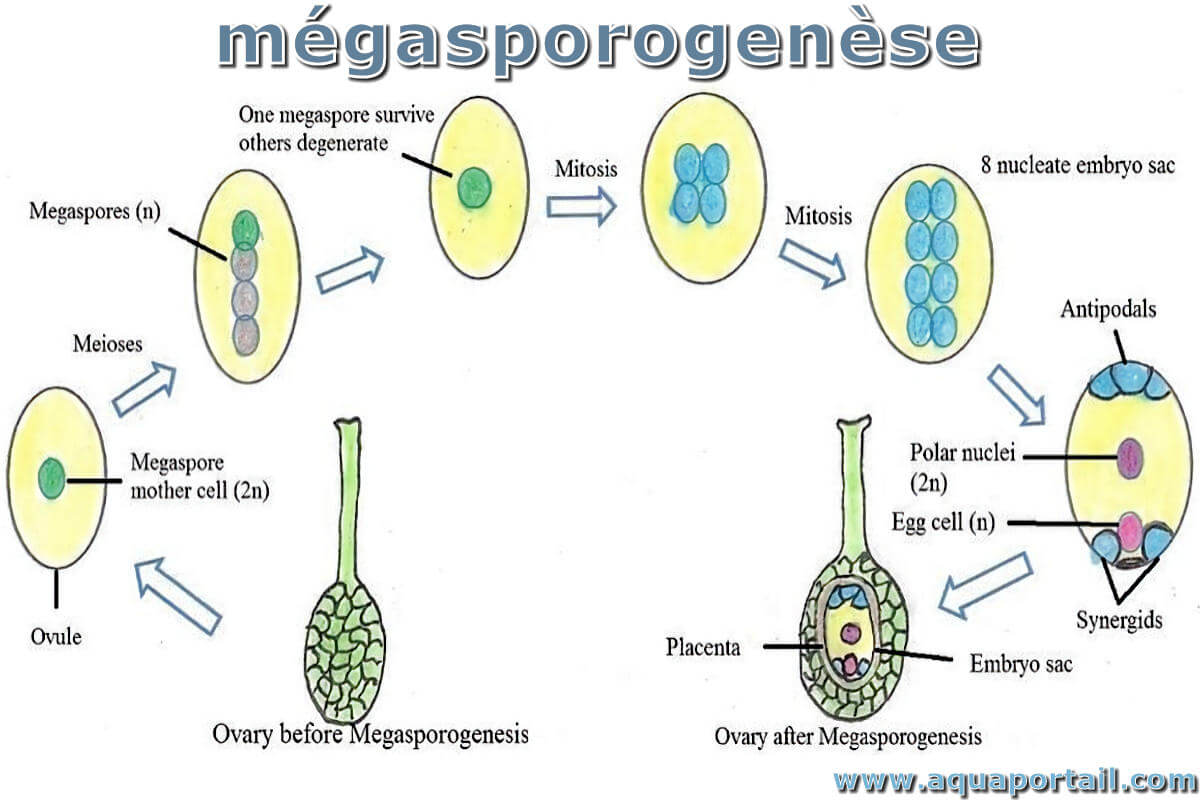
Megasporogenesis is the process of development of a megaspore from a megasporocyte mother cell.
methanogenesis
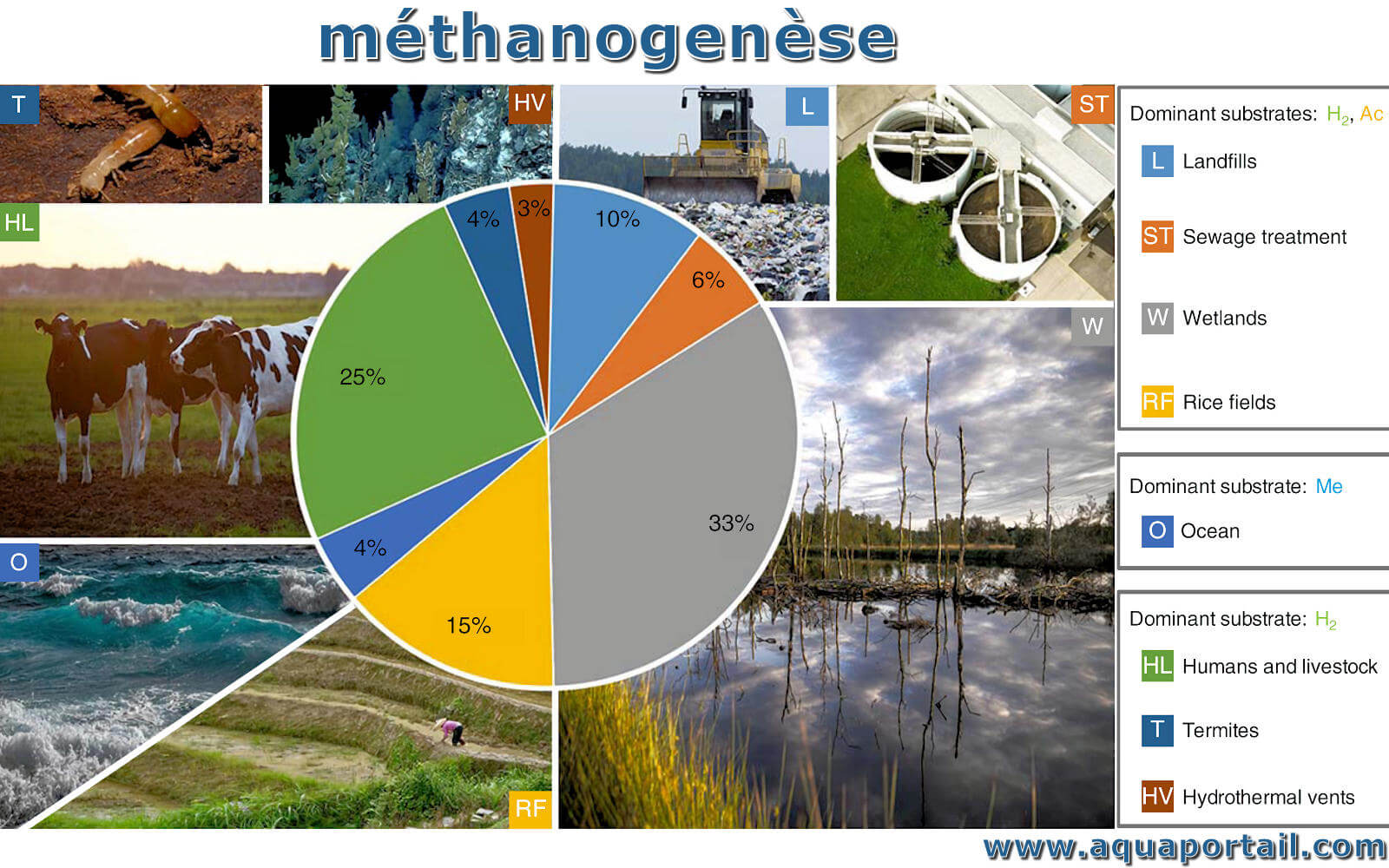
Methanogenesis, or biomethanation, is the formation of methane by methanogenic archaea. It occurs when biomass is decomposed by these microorganisms under...
microsporogenesis

Microsporogenesis is the meiotic formation of haploid microspores from a diploid microspore mother cell.
