Megasporogenesis
noun (n.)
Definition
Megasporogenesis is the process of development of a megaspore from a megasporocyte mother cell. Following meiosis, four daughter megaspores are formed in a linear tetrad structure, but only a single megaspore survives. The other three degenerate. The formation of an eight-nucleate embryo sac occurs after three mitoses. Megasporogenesis is female meiosis, whereas microsporogenesis is male meiosis.Process of megasporogenesis:
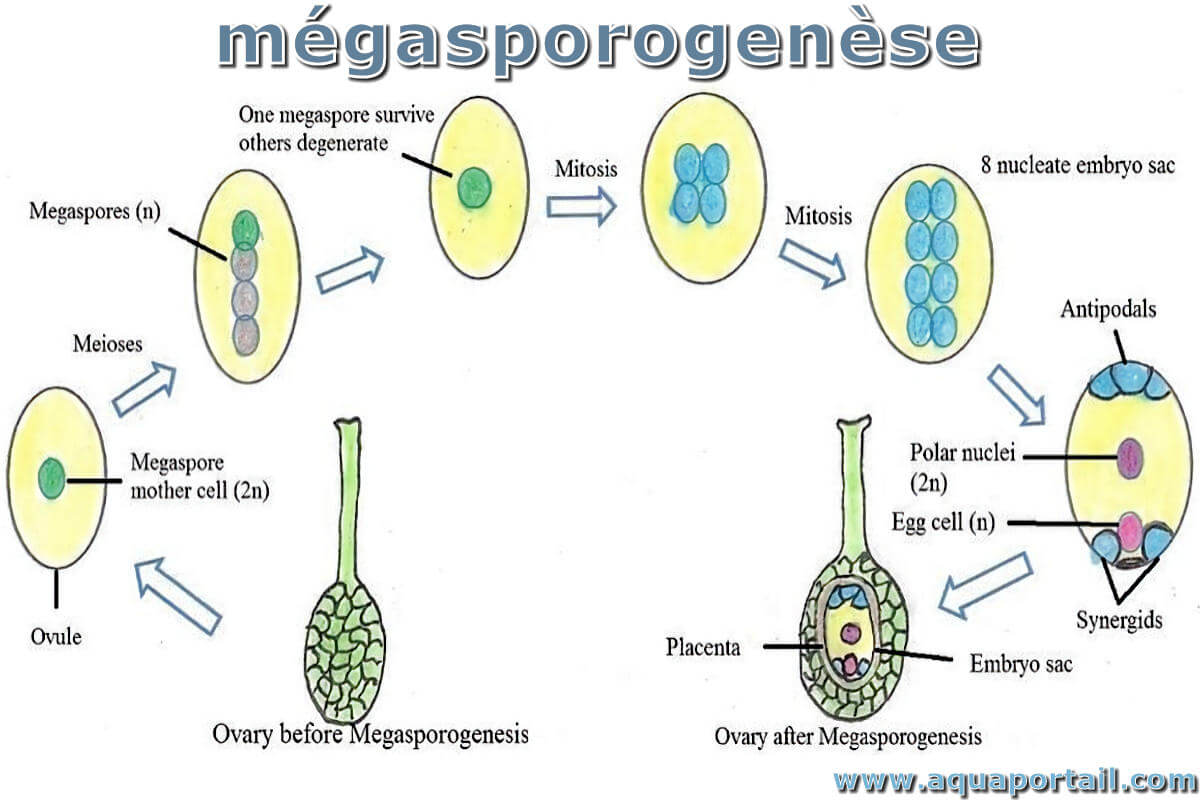
Megasporogenesis refers to the development of megaspores from the megasporocyte, the cell that undergoes meiosis. Meiosis of the megasporocyte nucleus leads to the formation of four haploid megaspore nuclei. In most taxa, meiosis is followed by cytokinesis, resulting in four megaspore cells.
Explanations
As the ovule develops, a single hypodermal cell of the nucellus enlarges and functions as an archesporium. In some plants, the archesporial cell can function directly as the megaspore mother cell. In others, it may undergo a transverse division to form an outer primary parietal cell and an inner primary sporogenous cell. The parietal cell may remain undivided or undergo a few periclinal and anticlinal divisions to push the primary sporogenous cell deep into the nucellus.
The primary sporogenous cell functions as a megaspore mother cell. The megaspore mother cell undergoes meiotic division to form four haploid megaspores. Based on the number of megaspores that develop into the embryo sac, there are three basic types of development: monosporic, bisporic, and tetrasporic. The megaspores are generally arranged in a linear tetrad. Of the four megaspores formed, the chalazal megaspore is usually functional and the other three degenerate. The functional megaspore forms the female gametophyte or embryo sac.
This type of development is called monosporic development (example: Polygonum). Of the four megaspores formed, if two are involved in embryo sac formation, development is called bisporic (example: Allium). If all four megaspores are involved in embryo sac formation, development is called tetrasporic (example: Peperomia). An ovule generally has a single embryo sac.
Megasporogenesis and microsporogenesis
In diploid 2n plants, female meiosis (megasporogenesis) in the megaspore mother cell (MMC) gives rise to four haploid (n) megaspores, three of which degenerate. From the remaining functional megaspore, the megagametophyte (also known as the female gametophyte or embryo sac) develops through three mitotic divisions, composed at the mature stage of 8 nuclei and 7 cells (one egg cell, two synergids, one central cell, and three antipodal cells). The two polar nuclei of the central cell fuse to form a 2n nucleus.
Male meiosis (microsporogenesis) produces four haploid microspores, collectively called a tetrad. The microspore nucleus divides by mitosis into a vegetative cell and a generative cell, the latter dividing into two sperm nuclei. The microgametophyte (pollen) is released at a binucleate or trinucleate stage.
Synonyms, antonyms
Spanish translation: megasporogénesis
3 synonyms (similar meaning) for "megasporogenesis":
- female meiosis
- macrosporogenesis
- sporogenesis
1 antonym (opposite meaning):
Related words and expressions to MEGASPOROGENESIS are directly connected by general or specific meaning.
The word MEGASPOROGENESIS is listed on page 1 of words starting with M in the dictionary glossary.
Related to "megasporogenesis"
microsporogenesis

Microsporogenesis is the meiotic formation of haploid microspores from a diploid microspore mother cell.
gametogenesis

Gametogenesis is the process by which cells undergo meiosis to form haploid gametes. It takes place in the gonads (female ovaries or male testes).
lipogenesis

Lipogenesis is the biosynthesis of fatty acids (lipids) and triglycerides from non-lipid precursors such as glucose or other substrates.
methanogenesis
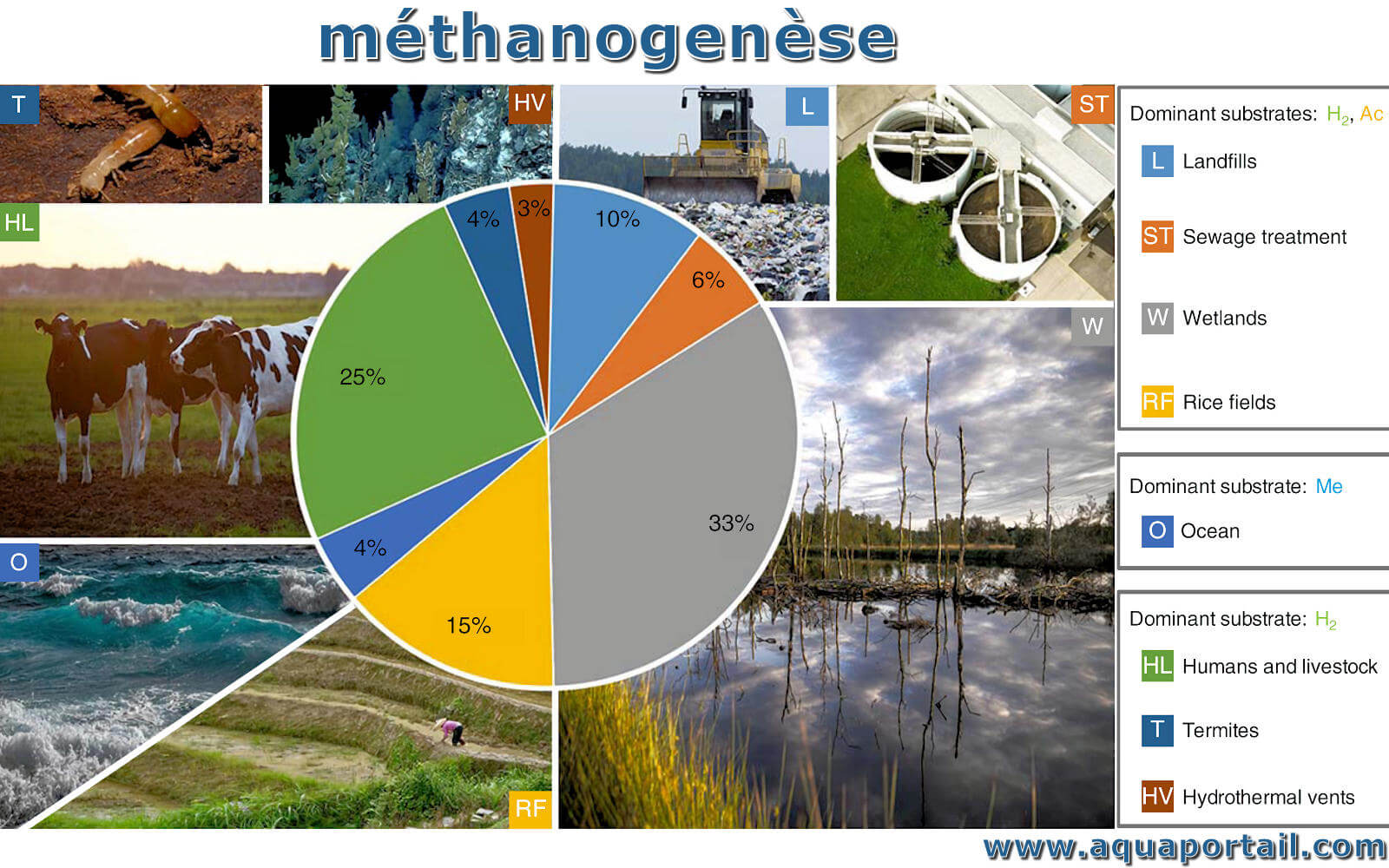
Methanogenesis, or biomethanation, is the formation of methane by methanogenic archaea. It occurs when biomass is decomposed by these microorganisms under...
