Megafauna
noun (n.)
Definition
Megafauna refers to the subset of animals constituting the largest organisms within a given habitat. The next smaller size category is macrofauna, and the smallest is microfauna. Various definitions exist, using different weight thresholds between 2 and 100 kg (4.4 and 220 lb) to distinguish vertebrate megafauna living in a country or biome.The sperm whale belongs to aquatic megafauna:

The sperm whale is a typical specimen of megafauna due to its length and weight, as well as its position as an apex predator in the trophic chain.
Animal groups
Soil-dwelling animals larger than 20 mm (0.79 in) are termed soil megafauna (as compared with macrofauna, mesofauna, and microfauna). European soil megafauna includes various groups from the humus layer or burrows, such as earthworms (oligochaetes), large snails, large arthropods (such as centipedes and millipedes, spiders, woodlice, ants, beetles, and their larvae), as well as all vertebrates (amphibians such as newts, reptiles, and mammals such as voles, moles, rabbits, mice, badgers, and marmots).
Megafauna is also recognized among aquatic inhabitants or the benthos.
On remote islands, flightless birds often emerge as megafauna, which can be explained by the absence of large terrestrial predators over extended evolutionary periods.
Megafauna or macrofauna: what are the differences?
According to many sources, megafauna refers to giant or large animals considered archetypes of the last glacial period, such as mammoths in the Northern Hemisphere. The most commonly used threshold for including a taxon in megafauna is 40 kilograms (88 lb). Consequently, this includes many species not usually regarded as exceptionally large, such as humans, although more restrictive criteria are also applied, limiting the term to animals whose mass exceeds one metric ton (1,000 kg / 2,205 lb).
In current scientific literature, the term is particularly associated with the Late Pleistocene and Holocene megafauna that went extinct during the Quaternary extinction event from 50,000 years ago to the present.
In practice, common usage in academic and popular writing refers to terrestrial animals larger than a human that are not (solely) domesticated. It is also used to designate the largest extant wild animals, notably elephants, giraffes, hippopotamuses, rhinoceroses, elk (wapiti), condors, etc. Megafauna can be subdivided by trophic position into megaherbivores (e.g., deer), megacarnivores (lions), and, more rarely, megaomnivores (bears).
Other common uses encompass giant aquatic species such as whales, extinct megalodons, large wild or domesticated terrestrial animals such as antelopes and bulls, and dinosaurs and other extinct giant reptiles.
Including certain groups such as herpetofauna within megafauna can be debatable and should often be restricted to macrofauna.
Influences on the biotope
The megaherbivore hypothesis postulates that a megafauna of large herbivores promoted the formation and maintenance of semi-open parkland and grassland landscapes.
The influence of megafauna on the biotope is being studied experimentally in Pleistocene Park in eastern Siberia.
Synonyms, antonyms
Spanish translation: megafauna
2 synonyms (similar meaning) for "megafauna":
4 antonyms (opposite meaning):
- megaflora
- meiofauna
- mesofauna
- microfauna
Related words and expressions to MEGAFAUNA are directly connected by general or specific meaning.
The word MEGAFAUNA is listed on page 1 of words starting with M in the dictionary glossary.
Related to "megafauna"
madrepore

A madrepore (Madrepora) is a marine animal of the group of scleractinian corals possessing an external skeleton, typically an acropora and encompassing...
mangrove

A mangrove is a coastal salt-marsh biotic zone comprising specific plants, mangrove trees, and plant associations that grow in the intertidal zone...
manure
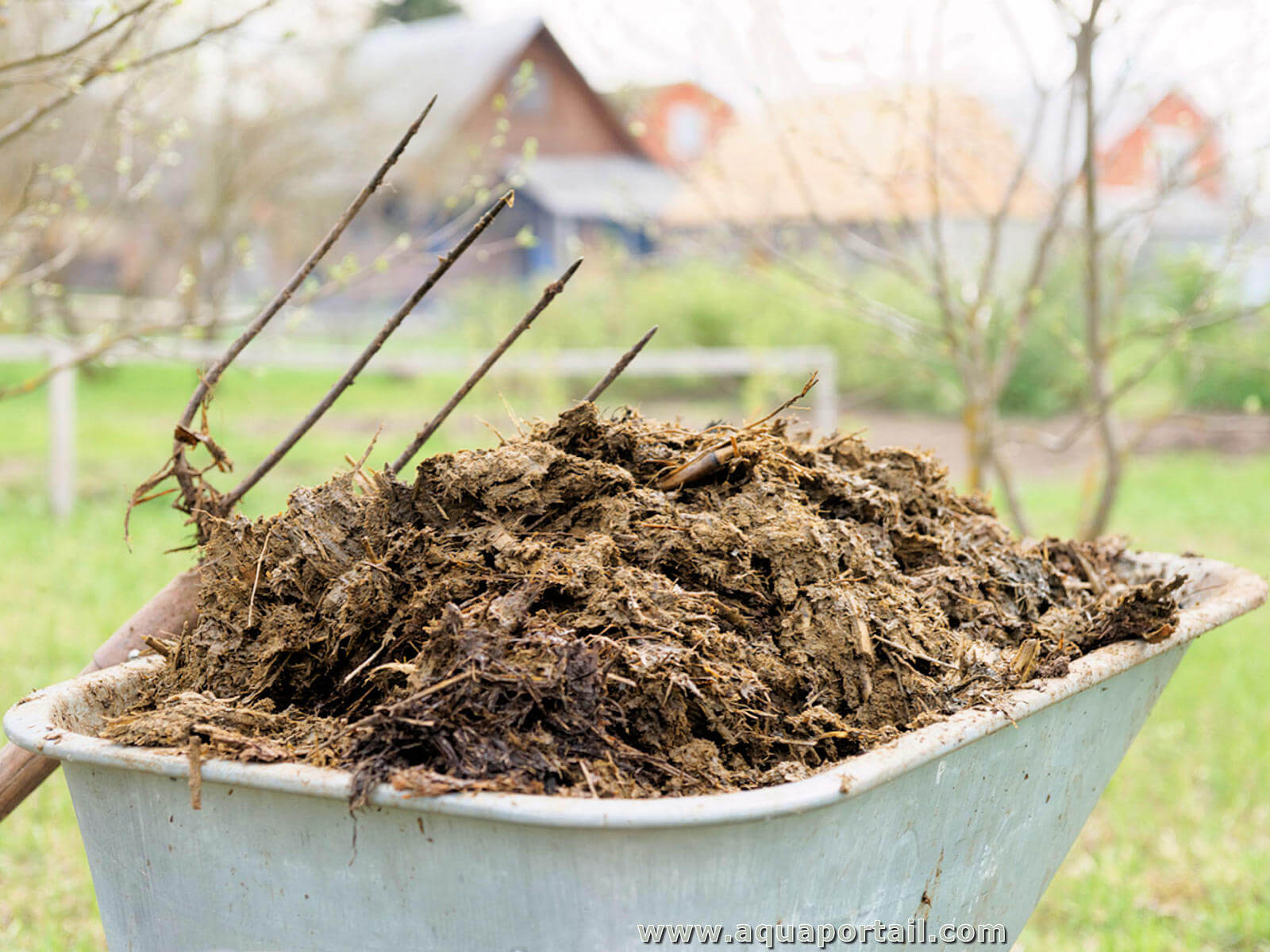
Manure is a mixture of animal droppings and plant bedding used to fertilize land. Manuring consists of applying manure to cultivated soil by spreading.
map of North America
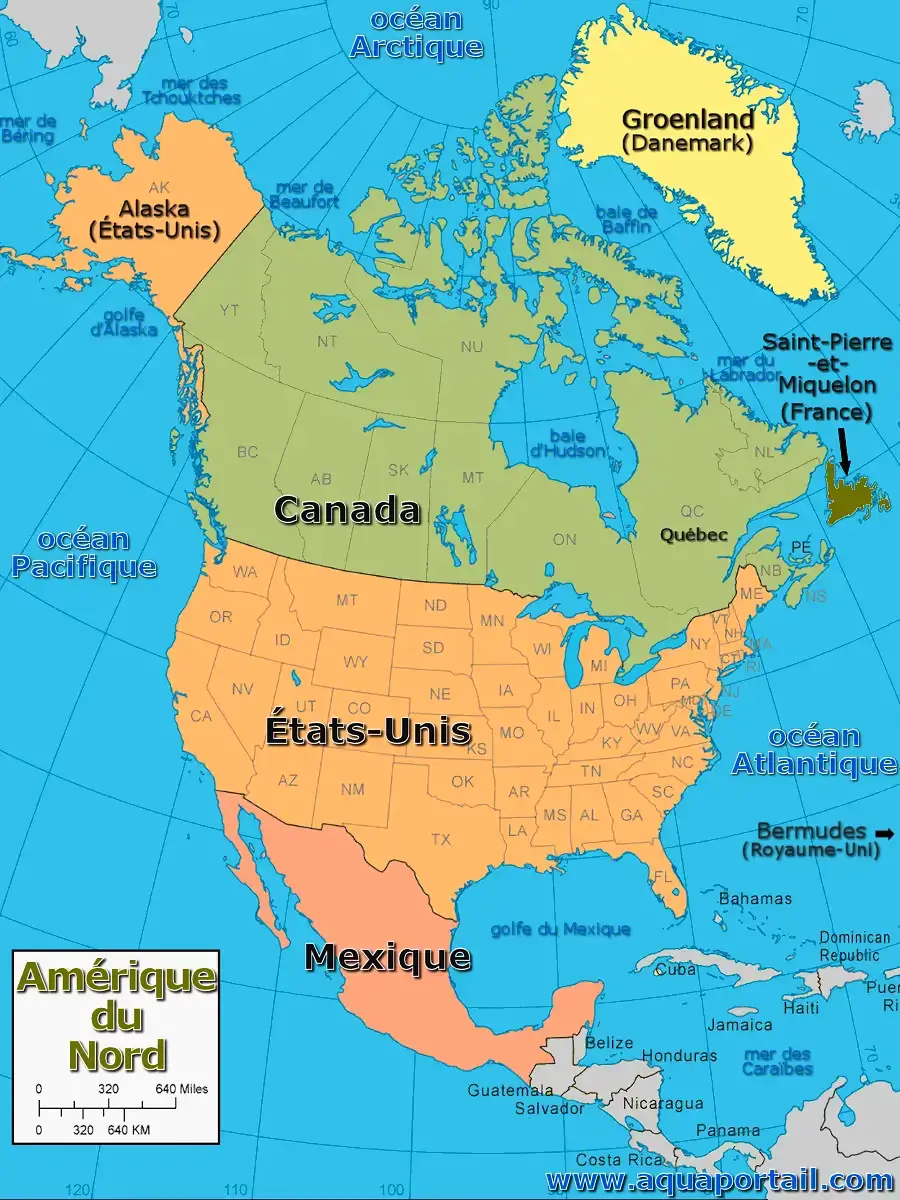
The map of North America includes 3 sovereign countries (Canada, United States, Mexico) and 3 European dependencies (Greenland, Saint Pierre and Miquelon...
