Translocation
noun (n.)
Definition
Translocation is a long-distance transport, such as group translocation, though the term takes on different meanings depending on the field considered.In biology, translocation describes the movement of molecules, proteins, or other substances within an organism, such as nutrient transport in plants or chromosome rearrangement in genetics. Translocase enzymes facilitate translocation.
Translocation:
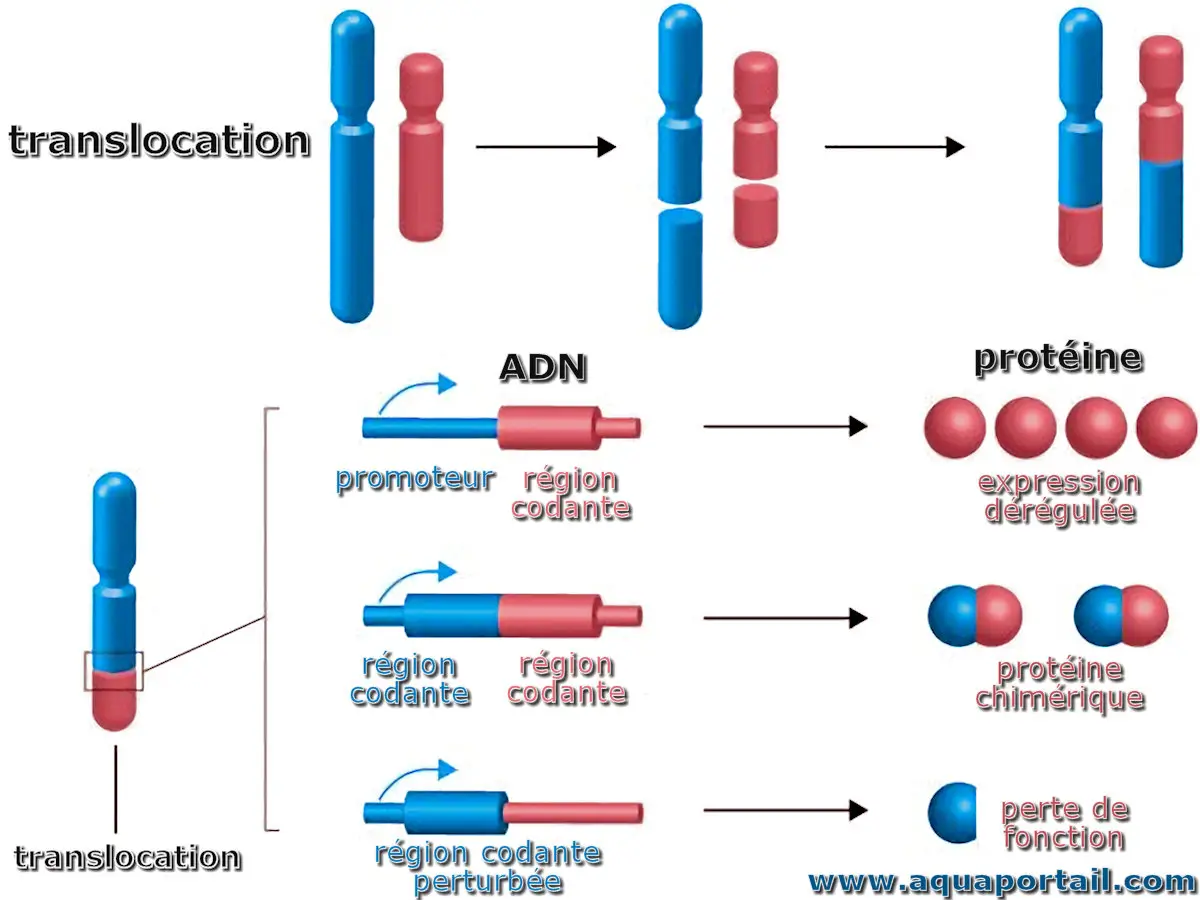
chromosomal translocations are major genomic abnormalities, frequently associated with tumor development. Factors such as the non-random spatial organization of the genome, DNA repair pathways, and certain chromatin features (notably histone modifications and the mobility of broken chromatin) play a role in translocation frequency and partner selection.
Explanations
Depending on the field of application, translocation has different meanings:
- in medicine, it indicates a surgical transplantation of a tendon insertion.
- in biochemistry and molecular genetics, it is a process in which proteins are brought into the rough endoplasmic reticulum (rough ER). Protein transport is called protein translocation, also known as protein targeting, a process of protein biosynthesis.
- in genetics, translocation is the change in location of chromosomal segments or genes between non-homologous chromosomes. It may be a chromosomal translocation (due to a structural abnormality) or a Robertsonian translocation (fusion or fission).
- in parasciences, it is a natural change in the spatial position of a material body.
- in architecture and building trades, it indicates the dismantling and subsequent reconstruction of a building at another location.
⭐ In microbiology and cell biology, see also active transport, passive transport, cellular transport, a protonophore (proton translocator).
In conservation, translocation consists of moving species from one habitat to another, often to protect them or restore ecological balance.
In geography or materials science, it can refer to the physical displacement of matter from one place to another.
Botanical translocation
In botany, translocation refers to the transport of fluids in the vascular system of plants.
In vascular plants, phloem is the living tissue that transports soluble organic compounds made during photosynthesis, particularly the sugar sucrose, to all parts of the plant where needed. Phloem is a site of translocation.
Translocation in phloem tissue:
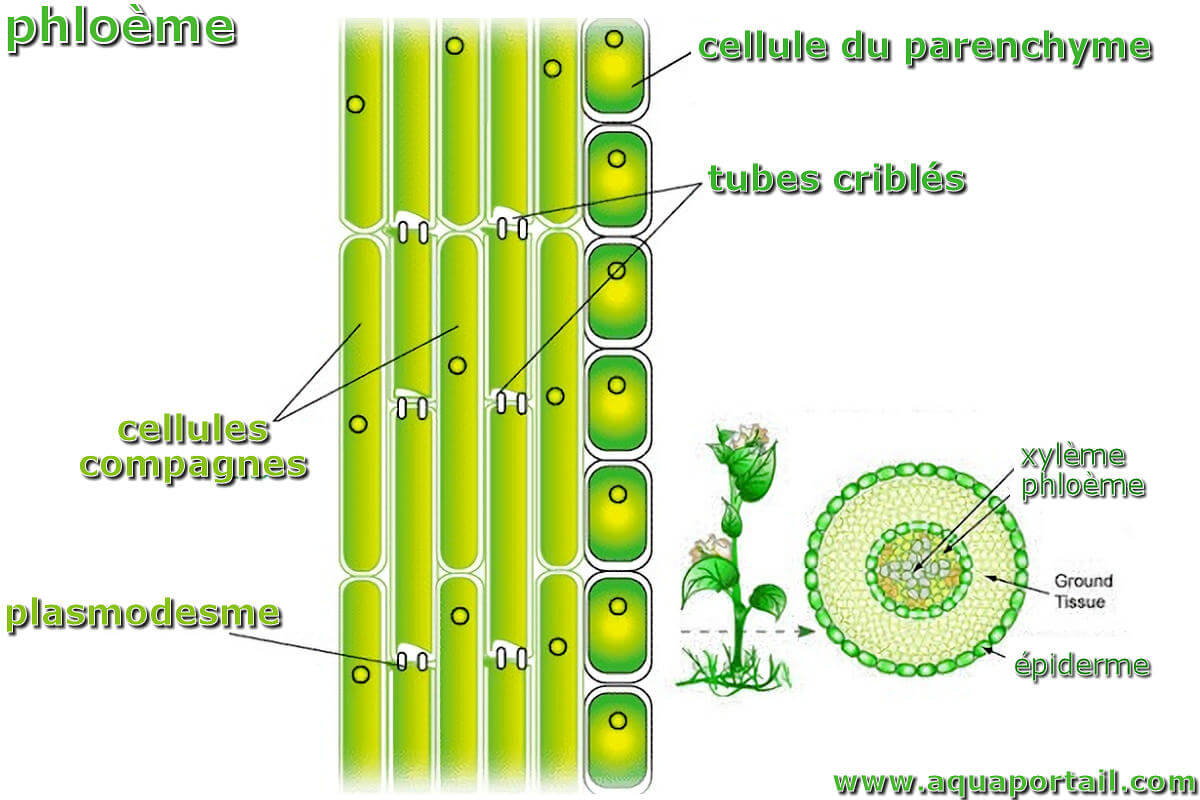
Translocation in the phloem is the bidirectional transport of water and nutrients from leaves to storage organs and growing parts. The movement of nutritive substances, a transport process, is called translocation.
Robertsonian translocation
Robertsonian translocations are among the most common types of chromosomal rearrangements, specifically involving acrocentric chromosomes in humans.
Robertsonian translocations are the most common type of chromosomal rearrangement observed in humans and involve two acrocentric chromosomes that fuse near the centromere region with loss of the short arms.
In genetics, a Robertsonian translocation is a chromosomal fusion or fission that alters the chromosome number and results from the union of two acrocentric chromosomes into a single metacentric chromosome, causing a decrease in the haploid number. Conversely, those resulting from the fission or breakage of a metacentric chromosome into two acrocentric chromosomes increase the haploid number; they are also called non-reciprocal translocations.
Synonyms, antonyms
Spanish translation: translocación
2 synonyms (similar meaning) for "translocation":
0 antonyms (opposite meaning).
Related words and expressions to TRANSLOCATION are directly connected by general or specific meaning.
The word TRANSLOCATION is listed on page 1 of words starting with T in the dictionary glossary.
Related to "translocation"
bedload transport

Bedload transport is a sediment-transport process in which a fluid current (water or air) moves large, heavy particles by rolling or sliding along...
long-distance transport

In botanical biology, long-distance transport refers to the transport of compounds from one part of a plant to others, via the network of medullary hyphae...
transcriptase
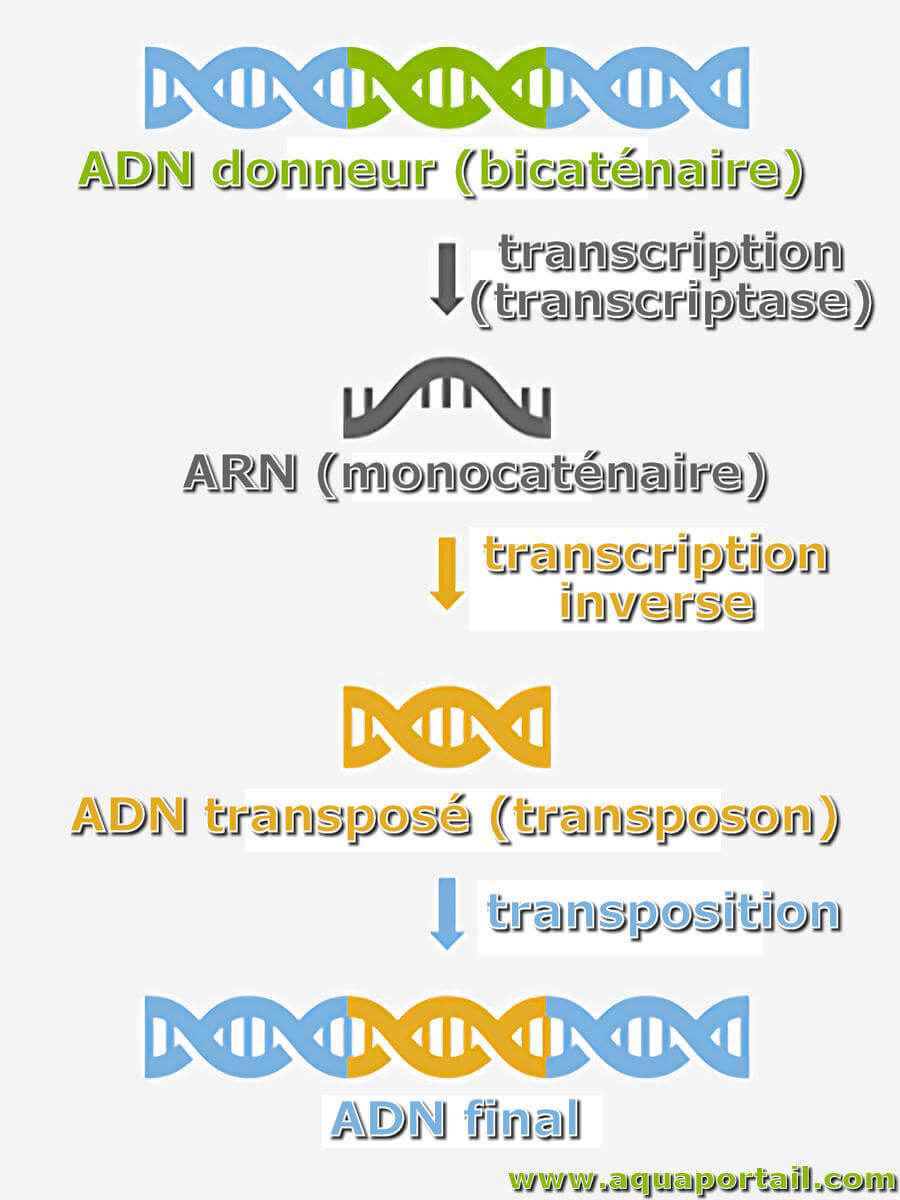
Transcriptase activity within an assembled virion catalyzes the synthesis of progeny positive-strand RNA from the parental double-stranded RNA (dsRNA)...
transplantation
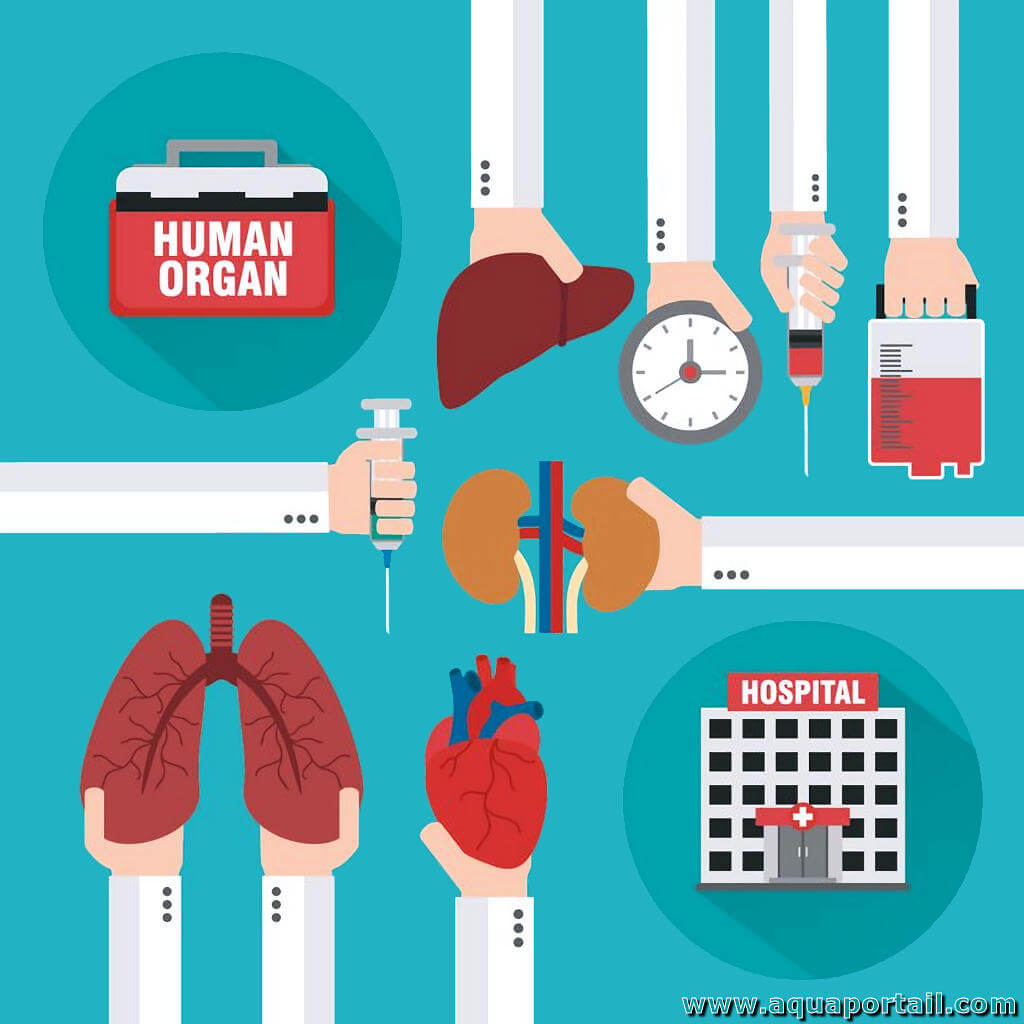
Transplantation is the act of transplanting, removing from one place and installing or introducing elsewhere.
