Trade winds
plural noun (n.pl.)
Definition
The trade winds (easterlies) are permanent prevailing winds of the intertropical regions that blow toward the equator, from northeast to southwest in the Northern Hemisphere and from southeast to northwest in the Southern Hemisphere.
Maps of terrestrial winds with the trade winds of the intertropical zone:

A map showing the prevailing and permanent winds on Earth, with the trade winds (easterlies) and westerlies.
Explanations
In addition to the trade winds (easterlies) and westerlies, large landmasses also affect wind patterns, causing cyclones, hurricanes, and other deviations from the normal trade wind direction. From 30° latitude, they decrease in intensity toward the equator until they die down, forming the doldrums (equatorial calm zone).
Trade winds and westerlies with the intertropical convergence zone and tropopause:

The trade winds are part of Earth's atmospheric circulation. The map includes an indication of the intertropical convergence zone and tropopause regions, along with convection cell spaces.
Trade winds are winds that occur year-round in subtropical regions, being very frequent in Central America where this type of climate prevails. They result from air masses converging from high-pressure (anticyclonic) zones in the tropics toward low-pressure (cyclonic) zones at the equator, forming a cycle that causes rainfall where they converge (convection cells). For this reason, the equatorial zone is the region of rainy equatorial calms.
The influence of the trade winds is most pronounced in the climate of coastal and low-latitude regions, playing a major role in island meteorology.
Synonyms, antonyms
Spanish translation: vientos alisios
1 synonym (similar meaning) for "trade winds":
0 antonyms (opposite meaning).
Related words and expressions to TRADE WINDS are directly connected by general or specific meaning.
The expression TRADE WINDS is listed on page 1 of words starting with T in the dictionary glossary.
Related to "trade winds"
wind

Wind is the perceptible natural movement of air, particularly in the form of an air current blowing from a given direction.
tagma

A tagma is a group of fused segments formed by series of metameres differentiated from the rest of an arthropod's body.
tapeworm
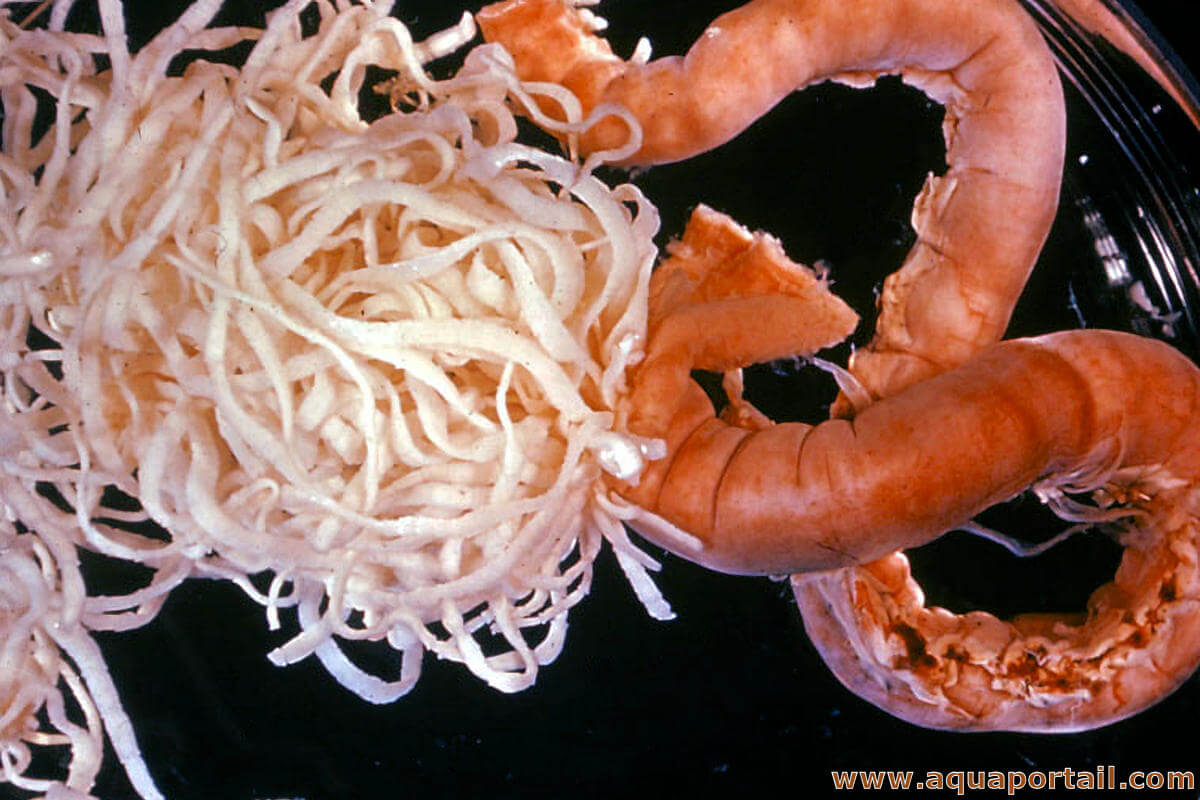
The tapeworm, or solitary worm, is a long, ribbon-like, segmented flatworm, a parasitic cestode of the genus Taenia.
tectonics

Tectonics is a branch of geology that studies the structure of the crust of a planetary body, such as Earth or the Moon, particularly the formation of folds...
