Transplantation
noun (n.)
Definition
Transplantation is the act of transplanting, removing from one place and installing or introducing elsewhere. In medicine, it is a graft involving the transfer of tissue elsewhere or onto another individual. In botany, it is the act of digging up a plant from the soil to replant it elsewhere by pricking out.The principle of organ transplantation:
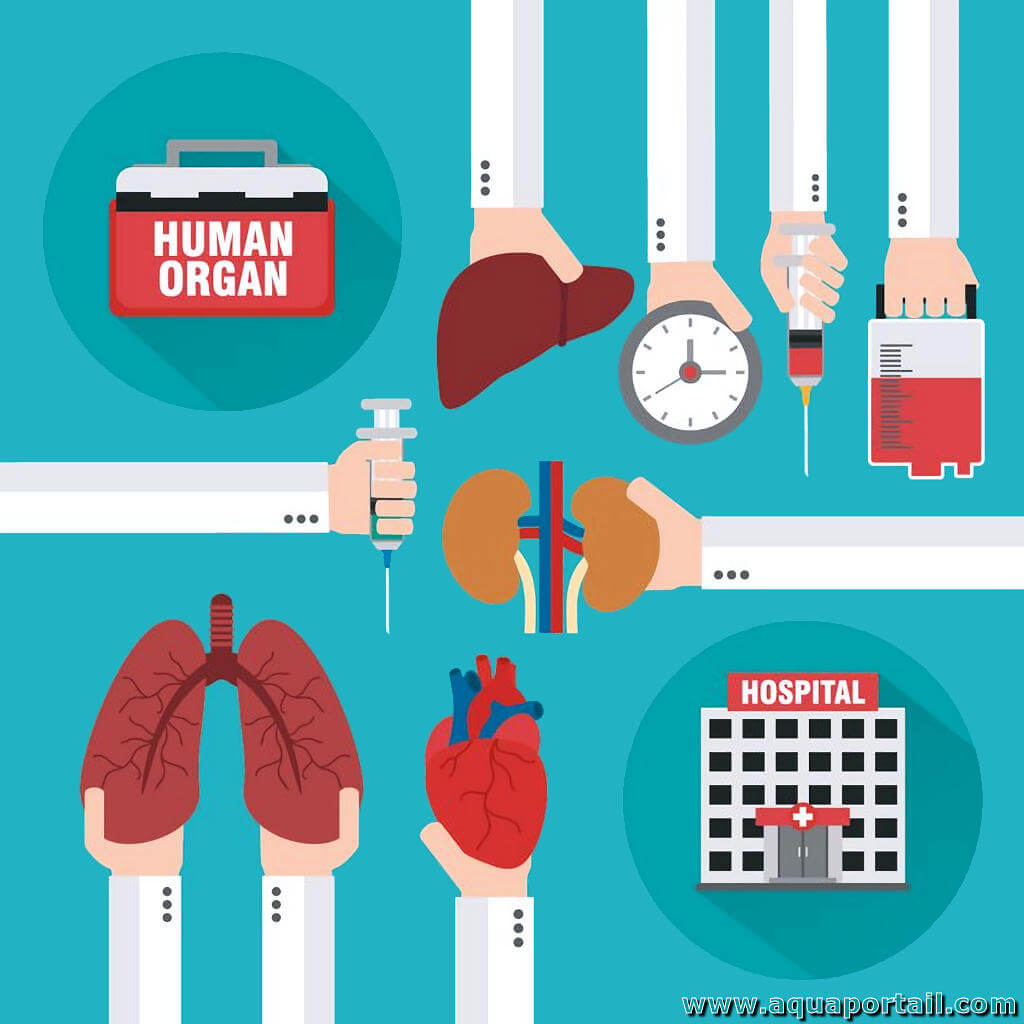
Organ transplantation is the basis of the grafting technique.
Explanations
By analogy, transplantation refers to the act of detaching a benthic alga to attach it in another location.
Xenotransplantation (xenograft) is any procedure that involves the transplantation, implantation, or infusion into a human recipient of either (a) live cells, tissues, or organs from a non-human animal source, or (b) human body fluids, cells, tissues, or organs that have had ex vivo contact with non-human animal cells.
In medicine
In surgery, there are several types of transplantations, some being autografts, xenografts, or allografts. The main ones are:
- renal transplantation (kidney)
- hepatic transplantation (liver)
- bone marrow transplantation
- cardiac transplantation (heart)
- pulmonary transplantation (lung)
Generally, skin grafts are autotransplantations.
A tumor-specific transplantation antigen (also: TSTA) is a viral antigen located on the surface of a transformed (tumor) cell.
In medicine, organ transplantation refers to the transfer of organic body parts or tissues for healing purposes. A graft may consist of cells, tissues, organs, or organ systems such as fingers or hands. Transplantation contrasts with implantation, in which artificial implants, such as prostheses, are placed in the body instead of organic matter.
The main problem with any transplantation is the recipient organism's immune response to the transplant. The recipient's T lymphocytes and antibodies then fight the foreign organ. The reason for rejection (graft rejection) is the difference in cell surface structure, particularly differences in histocompatibility antigens (abbreviations: MHC antigens and HLA antigens) of the cell membranes of the two living beings. This surface structure is genetically determined, which is why each individual has their own cell surface structure. For this reason, relatives are often particularly suitable organ donors, as genetic similarities are increased. The first successful organ transplantations were also performed with monozygotic twins, who are genetically identical.
The transfer of donor tissue containing immune cells, particularly bone marrow and liver tissues, can also lead to a "reverse" immune reaction of graft cells against the host body: graft-versus-host disease.
The term "transplantation medicine" was introduced by Rudolf Pichlmayr (1932–1997), a German physician.
The first literary mention of a transplantation (though not necessarily in the modern sense) is found in the early Christian legend of the saints by the brothers Cosmas and Damian. The world's first allogeneic transplantation in a human was performed by Bernese surgeon Theodor Kocher in 1883: he transplanted human thyroid tissue under the skin and into the abdominal cavity of a young man. The modern history of organ transplantation began around 1908 with the experimental research of Alexis Carrel, who received the Nobel Prize for his research on vascular sutures and vascular and organ grafts. Frenchman Victor D. Lespinasse (1878–1946) successfully performed a testicular transplantation in humans for the first time in 1913. The first successful long-term kidney transplantation was performed in 1954 by Joseph Murray at Peter Bent Brigham hospital. Initially performed between twin brothers, Murray later performed the first successful kidney transplant between genetically non-identical individuals in 1962. The first heart transplantation was performed in 1967 under the direction of Christiaan Barnard, and the same year the first liver transplantation was performed by Thomas E. Starzl. The first successful hand transplant took place in 1998 by Jean-Michel Dubernard, and the first successful partial face transplant by Jean-Michel Dubernard and Bernard Devauchelle in 2005.
In botany
Transplanting a plant in your garden is another way of planting or moving something to the right spot. There are two ways to transplant: buying plants and replanting them, or moving plants from one spot to another in your garden.
For example, transplantation, often following division, allows repotting into a larger pot.
Synonyms, antonyms
Spanish translation: trasplante
1 synonym (similar meaning) for "transplantation":
1 antonym (opposite meaning):
Related words and expressions to TRANSPLANTATION are directly connected by general or specific meaning.
The word TRANSPLANTATION is listed on page 1 of words starting with T in the dictionary glossary.
Related to "transplantation"
bedload transport

Bedload transport is a sediment-transport process in which a fluid current (water or air) moves large, heavy particles by rolling or sliding along...
long-distance transport

In botanical biology, long-distance transport refers to the transport of compounds from one part of a plant to others, via the network of medullary hyphae...
transcriptase
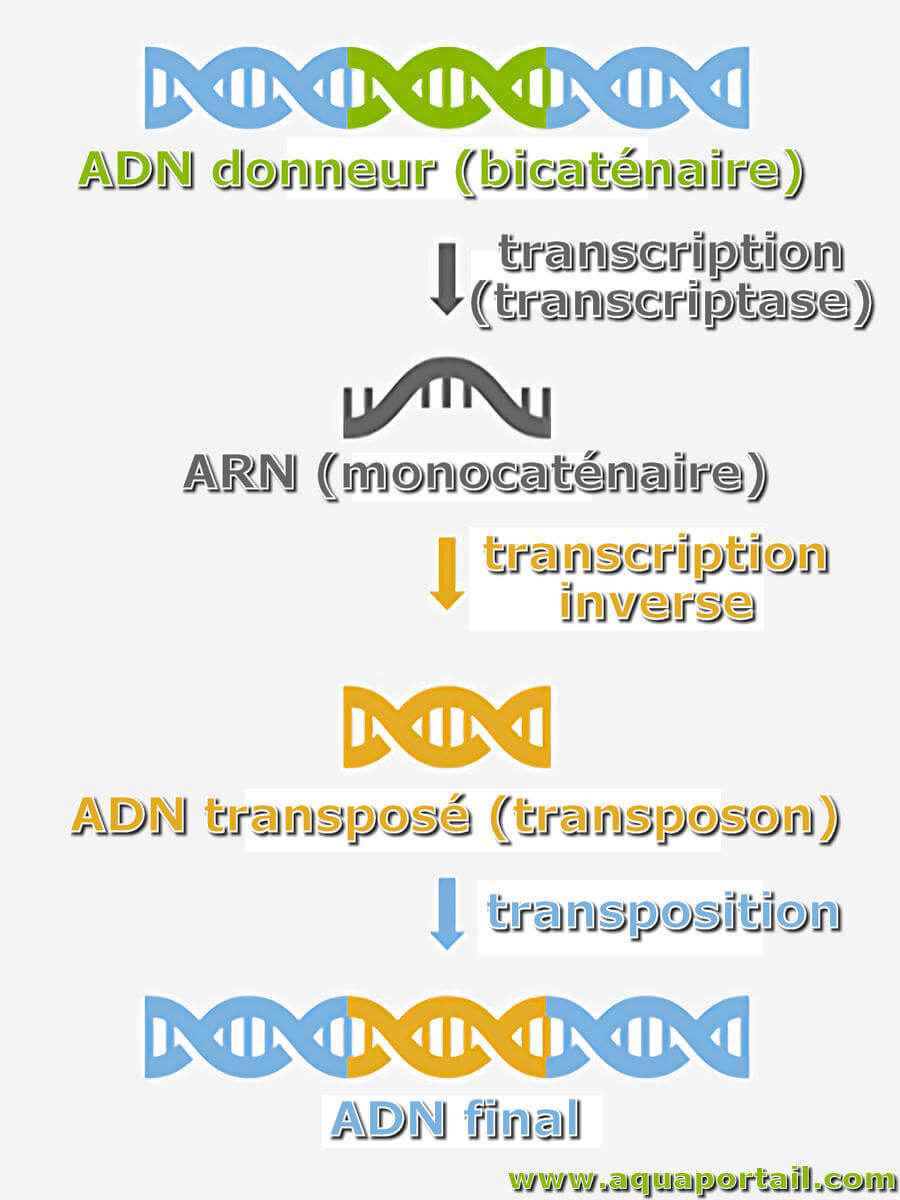
Transcriptase activity within an assembled virion catalyzes the synthesis of progeny positive-strand RNA from the parental double-stranded RNA (dsRNA)...
translocation
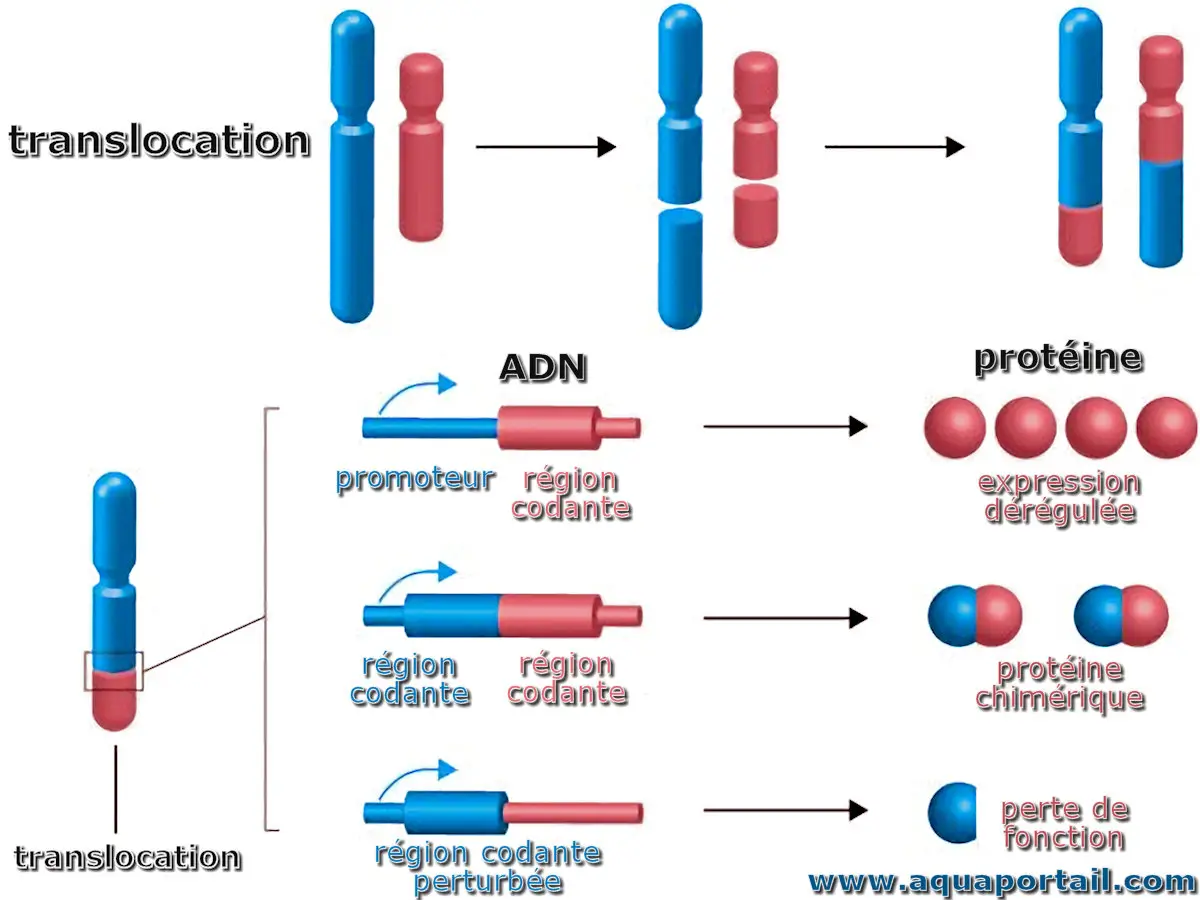
Translocation is a long-distance transport, such as group translocation, though the term takes on different meanings depending on the field considered.
