Lymphocytosis
noun (n.)
Definition
Lymphocytosis is a blood disorder characterized by an increase in the number of lymphocytes. It is therefore a specific type of leukocytosis. The normal proportion of lymphocytes in the blood ranges between 20 and 40% of total white blood cells. A proportion exceeding 40% of blood lymphocytes, quantified in a clinical laboratory, defines lymphocytosis, whereas when the figure is below 20%, it is termed lymphopenia.⛔ A common mistake in aquarium keeping is confusing lymphocytosis with lymphocystis (spelling)! The "fish pox" type disease is lymphocyStis, notably in goldfish and carp.
Blood lymphocytosis:
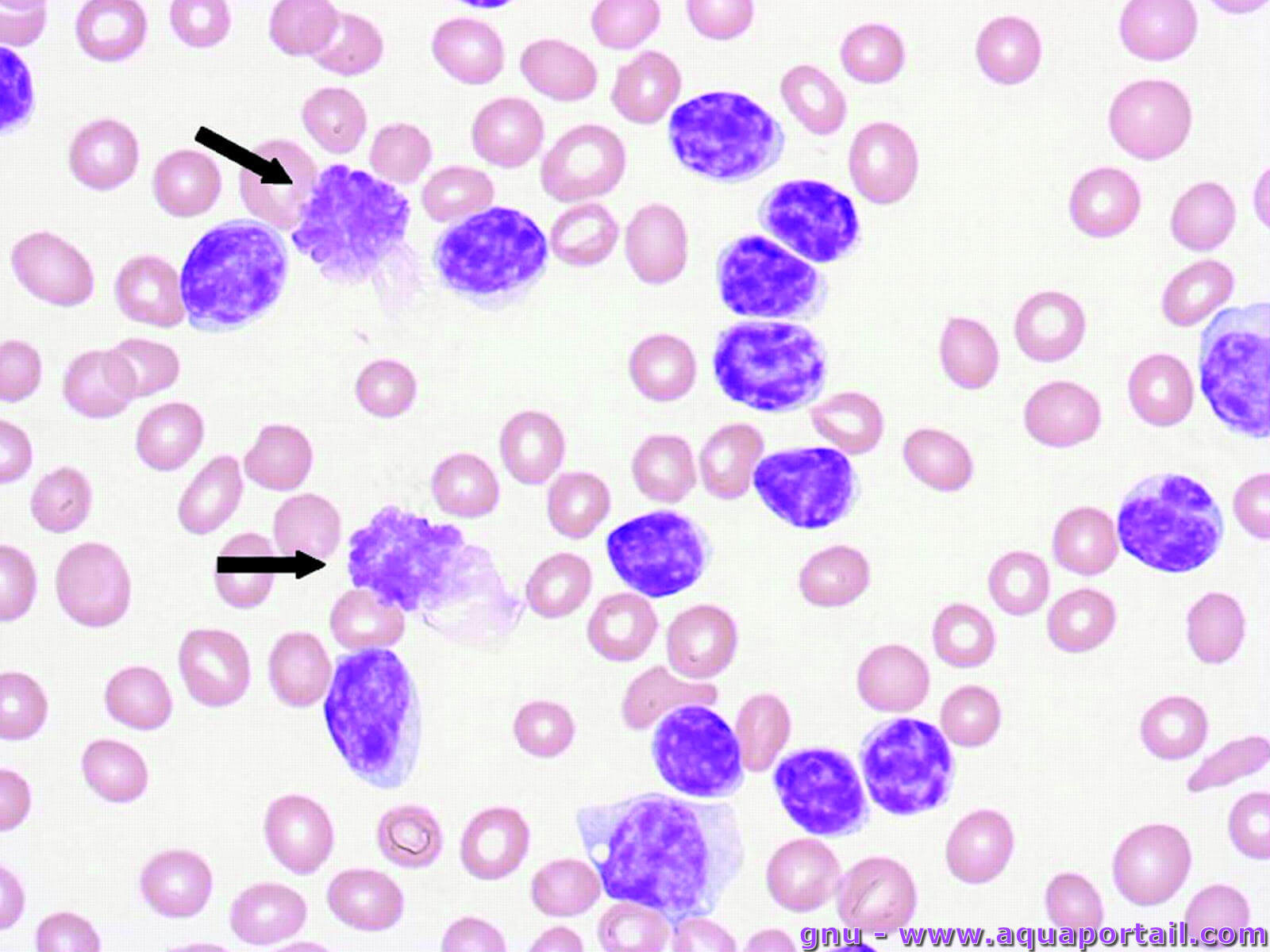
Multiple lymphocytes in the blood smear imply and indicate apparent lymphocytosis (though of unspecified etiology).
In a broader sense, an increase in the number of lymphocytes in other body fluids (for example, cerebrospinal fluid) can also be referred to in this way.
Diagnosis
The finding of lymphocytosis can only be diagnosed in hematology with a blood draw in a clinical laboratory, through a complete blood count, many of which are now fully automated.
Lymphocytosis is defined as an absolute lymphocyte count greater than 4,500/mm3, although slightly higher reference values are sometimes used. In children, the aforementioned lymphocyte threshold is higher than in adults (one-year-old infants: 5–7,000/mm3), diagnosed as lymphocytosis only when the count exceeds 9,000/mm3.
Classification
There are two major types of lymphocytosis classified as follows:
- polyclonal lymphocytosis: this is generally produced in a manner consistent with an inflammatory and/or infectious process
- monoclonal lymphocytosis: this generally reflects a proliferative disorder, in which the lymphocyte count increases due to an intrinsic defect in the lymphoid population
Mononucleosis syndromes
Mononucleosis syndromes are clinically characterized by fever and atypical lymphocytes in the blood (they must exceed 10% of total lymphocytes to be considered significant). The two most common causes of mononucleosis are Epstein-Barr virus (EBV) infection, detected by a positive heterophile antibody test, and cytomegalovirus (CMV) infection, along with others commonly included as causes of lymphocytosis, such as toxoplasmosis, adenovirus, HIV, brucellosis, rubella, varicella, herpes simplex virus, viral hepatitis, tuberculosis, rickettsioses, or malaria, all of which yield a negative Monospot test; a differential diagnosis must therefore be made among these, also taking into account false negatives that may occur with infectious mononucleosis.
Chronic lymphocytic leukemia
Chronic lymphocytic leukemia is the most common cause of lymphocytosis with a count exceeding 5,000/mm3. It is the most common type of leukemia in older adults, with a higher incidence in men than in women. It manifests as a clonal proliferation of mature B lymphocytes. The most common signs and symptoms are generalized lymphadenopathy, asthenia, and weight loss. A history of recurrent infections, caused by the immunosuppression these patients usually exhibit, is not uncommon.
Clinical medicine
Once a blood count indicating possible leukocytosis is obtained, repeat the test to ensure there was no error in sampling or quantification.
Differentiate whether the lymphocytosis is due to a benign disorder resulting from an infection, usually viral, or a malignant process, for which it is important to perform a peripheral blood smear to examine the morphology and size of white blood cells, to observe atypical or activated lymphocytes in mononucleosis syndromes and other viral infections, or those exhibiting characteristic features of certain lymphomas and other lymphoproliferative syndromes, or the presence of immature forms, common in acute lymphoblastic leukemia.
A thorough workup can be completed to look for symptoms of lymphadenomegaly, splenomegaly, and hepatomegaly. Imaging tests also help suspect an infectious or neoplastic etiology, such as chest X-ray and abdominal ultrasound. If suspicion points toward a presumed diagnosis of infection, specific serological tests should be performed to detect hepatitis virus, HIV, EBV, or CMV. If lymph nodes persist for more than eight weeks, a biopsy of the affected nodes is advised.
Synonyms, antonyms
Spanish translation: linfocitosis
2 synonyms (similar meaning) for "lymphocytosis":
- hyperlymphocytosis
- leukocytosis
1 antonym (opposite meaning):
Related words and expressions to LYMPHOCYTOSIS are directly connected by general or specific meaning.
The word LYMPHOCYTOSIS is listed on page 1 of words starting with L in the dictionary glossary.
Related to "lymphocytosis"
exocytosis vacuole

An exocytosis vacuole (exocytic vesicle) is any of the specialized secretory vesicles capable of fusing with the plasma membrane, opening to the extracellular...
halitosis

Halitosis (bad breath) is primarily caused by sulfur-producing bacteria that normally live on the surface of the tongue and in the throat.
L-form bacteria
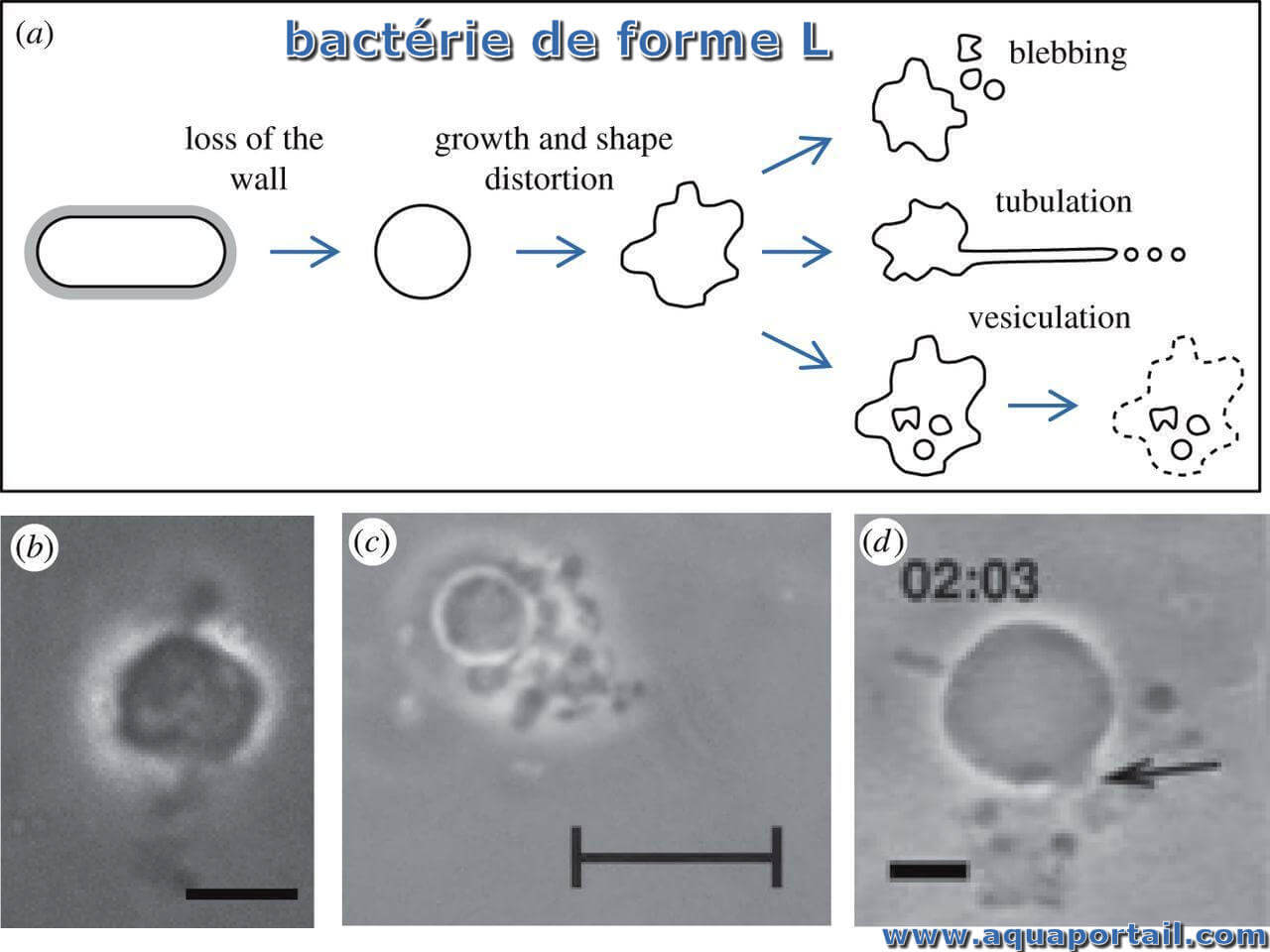
L-form bacteria originate from a strain of bacteria that lack cell walls while retaining the ability to grow.
lake

A lake is a large inland and continental body of freshwater, nearly stagnant or slow-moving.
