Thallus
noun (n.)
Definition
The thallus is the vegetative body of certain lower plants. This plant organ is negatively defined relative to a cormus as lacking true roots, stems, true leaves, or a vascular system. Since algae, fungi, lichens, and certain liverworts lack roots, stems, leaves, and a vascular system, their vegetative body is a thallus.
In botany, a thallus describes the vegetative apparatus of Thallophytes (an obsolete group), non-vascular organisms, and certain bryophytes. In some plants, thalli arise from a prothallus appearing after germination.
The thalli (or fronds) of a Fucus alga:

A thallus is an undifferentiated plant tissue, generally branched in form, found in certain plants.
Explanations
The thallus is characteristic of a large number of multicellular plant-like organisms such as algae and mosses. There may be some degree of cell specialization, but no differentiated tissues. The gametophyte of certain non-thallophyte plants (clubmosses, horsetails, and ferns) is called a prothallus.
In fact, the thallus is a simple vegetative body of algae (seaweeds), fungi, lichens, mosses, and liverworts that is not differentiated into root, stem, and leaf and lacks vascular conducting tissues.
In algae, the thallus is called a frond. Siphonous thalli occur in some algae.
In lichens, there are three main types of thalli: crustose, foliose, and fruticose.
Fungi are grouped with plants in this context, even though they are not plants (they belong to Fungi). The thallus of a fungus is generally called a mycelium. The thallus of filamentous fungi typically consists of microscopic filaments branching in all directions, colonizing the substrate that serves as food. They may grow on or within the substrate. Each of these filaments is called a hypha.
A Caulerpa has thalli:

Caulerpa algae have thalli with fronds and stolons of some of the most varied shapes in the world. Unconfirmed reports state that the alkaloid Caulerpin found in certain Caulerpa species, such as here with C. taxifolia, can cause poisoning.
In a bryophyte, all visible vegetative organs, including leaf-like photosynthetic structures (phyllids), the thallus ("plant body"), the stem-like axis (caulid), and the rhizoid anchoring the plant to its substrate, belong to the haploid organism or gametophyte. This is also characteristic of non-vascular land plants.
Types of specialized thalli
There are different types of thalli according to their nature and characteristics: archethallus, cladomothallus (cladothallus), endomycothallus, epithallus, hypothallus, merithallus, perithallus, plethysmothallus. Having nothing in common with a crustacean, see also crustose thallus. The term endomycothallus is reserved for fungi.
A microthallus is a microscopic thallus, whereas a macrothallus is a giant thallus such as that of kelps, for example.
There is debate over using the term thallus for the chlorophyllous system of mosses and liverworts even though their leaves are thalloid. Liverworts are thus divided into distinct groups: thallose liverworts, leafy liverworts, and corticolous epiphytic liverworts.
✅ A thallus termed chasmolithic develops between mineral grains on the surface of a rock, barely or not visible, yet identifiable by its superficial apothecia.
Archethallus
An archethallus denotes a rudimentary grouping of isolated cells (unicellular archethallus, homothallism) or grouped cells (multicellular archethallus, heterothallism) in certain algae and cyanobacteria, precursors of multicellular organization. Archethalli are the simplest of thalli. The cells, isolated or grouped, are capable of dividing into zoospores (flagellated spores) or autospores (non-motile spores).
Cladothallus
Cladothalli are filamentous thalli with a preferential growth axis, generally within a structure called a cladome. They may also occur in branched growth with pleuridia.
Epithallus
In crustose red algae, an epithallus is a set of non-meristematic cells covering the perithallus, whether apical or marginal.
Hypothallus
In crustose red algae, a hypothallus is formed of a marginal apical layer (or several) of creeping filaments with apical growth. This leads to the formation of a marginally growing crust that sends up erect filaments: the perithallus, itself covered by the epithallus. In true slime molds, myxogastrids, the hypothallus is the layer on which the fruiting body rests, in contact with the substrate. Roughly translated, this means "under the thallus". The hypothallus is produced by the plasmodium at the onset of fruiting.
Merithallus
A merithallus, or internode, corresponds to the interval between two nodes, sometimes between two leaf insertions on a branch. In early theories of plant structure, particularly those of C. Gaudichaud-Beaupré (1789–1854), the merithallus was each of the three units into which a leaf or phyton (basic plant unit) was considered divisible. The cotyledon, together with its support and the radicle support, forms the descending system, whereas the merithallus with the leaf and its petiole forms the ascending system.
Nematothallus
Nematothalli exhibit dependent cells with filamentous thalli capable of developing into a blade. Growth may be diffuse or localized in the apical region. Cells are connected by plasmodesmata.
Perithallus
A perithallus is a set of erect filaments emitted by the hypothallus whose growth is driven by their apical cells (see apical and marginal), situated in an intercalary position because they are covered by the non-meristematic cells of the epithallus.
Plethysmothallus
A plethysmothallus, in brown algae, is a microthallus bearing plurilocular zoidangia whose zoids enable self-replication until an erect thallus is budded or fertilization occurs. For example, a plethysmothallus is present in Leptonematella fasciculatum.
Synonyms, antonyms
Spanish translation: talo
1 synonym (similar meaning) for "thallus":
1 antonym (opposite meaning):
Related words and expressions to THALLUS are directly connected by general or specific meaning.
The word THALLUS is listed on page 1 of words starting with T in the dictionary glossary.
Related to "thallus"
thallophyte
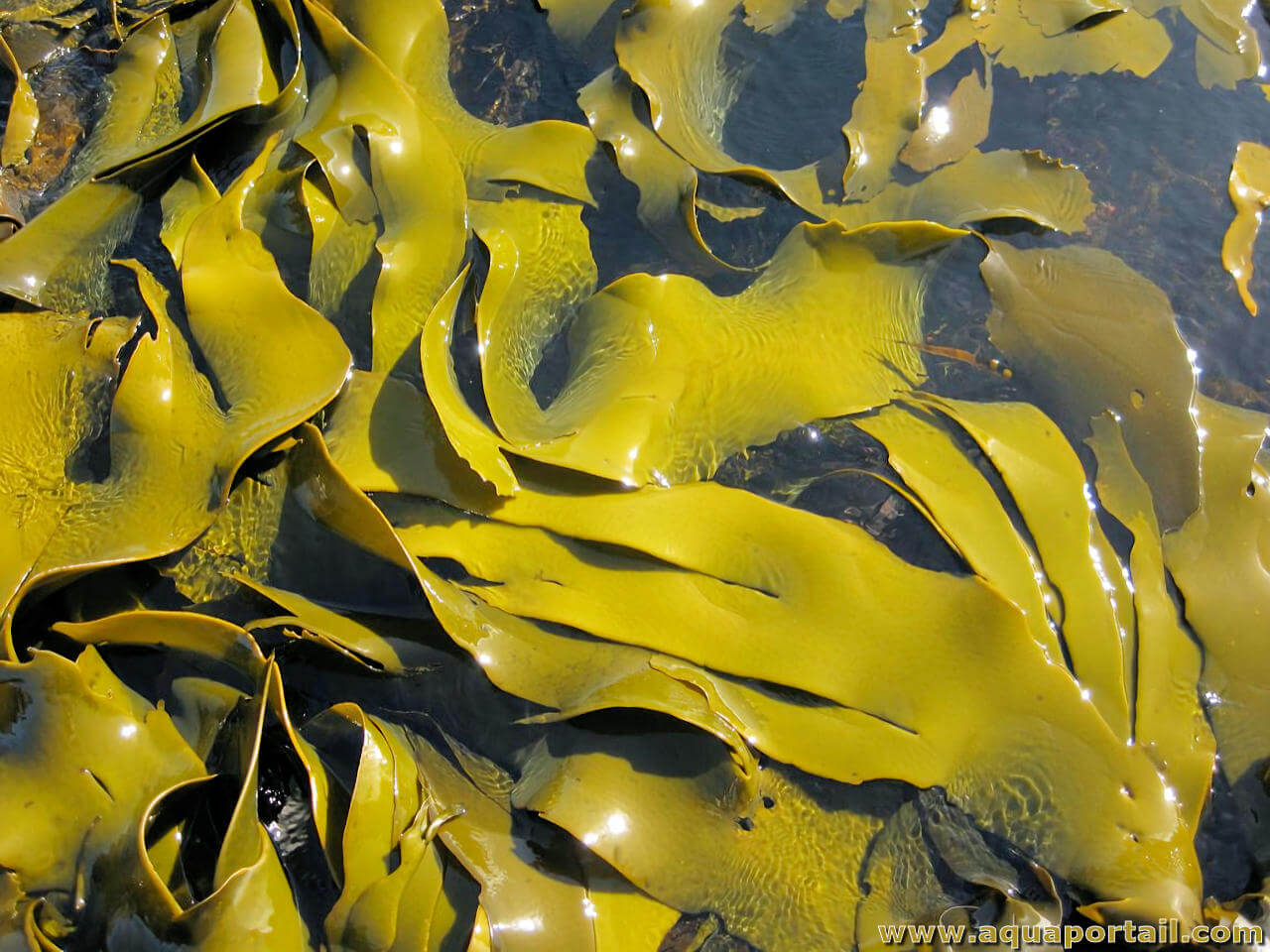
Thallophytes are plant-like organisms composed solely of a thallus. They have neither stems, nor roots, nor leaves. They encompass all lower plants...
frond

In botany, a frond is the upright part of the vegetative apparatus of an alga or a fern. This leaf-like structure is generally flattened and spread out.
tagma

A tagma is a group of fused segments formed by series of metameres differentiated from the rest of an arthropod's body.
tapeworm
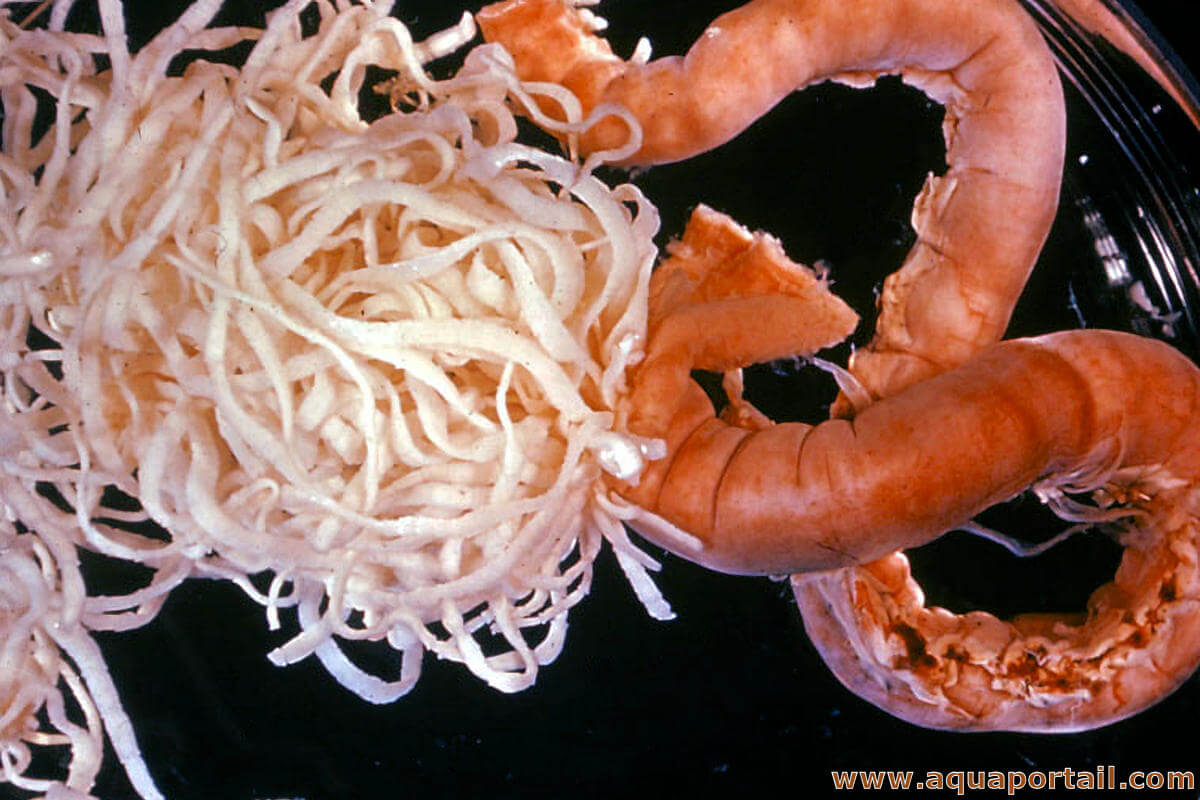
The tapeworm, or solitary worm, is a long, ribbon-like, segmented flatworm, a parasitic cestode of the genus Taenia.
