Rhizoid
noun (n.)
Definition
A rhizoid is a hair-like structure with anchoring and absorptive functions in non-vascular lower plants. It is analogous to the root of vascular plants. A rhizoid is hyaline and unicellular in liverworts and hornworts, whereas it is brown to reddish, multicellular, simple or branched, and often has oblique cross-walls in mosses (Bryophyta sensu stricto).
Rhizoids of a moss:
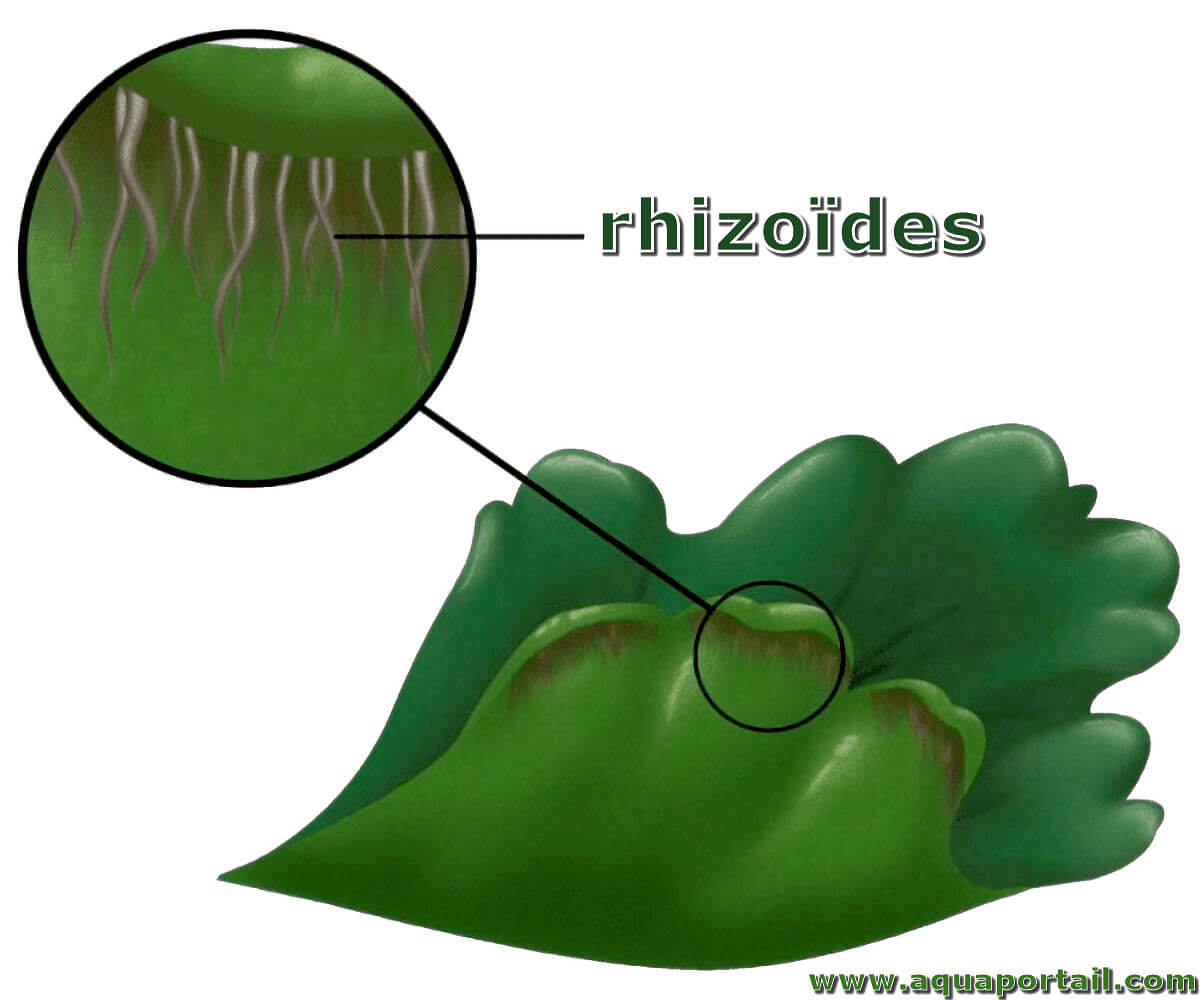
Rhizoids on mosses and liverworts resemble fine hairs.
Explanations
Rhizoids are short, more or less branched filaments that anchor certain non-vascular plants. These filaments enable certain organisms (notably algae and mosses) to attach to the substrate. In algae, rhizoid is synonymous with holdfast. In other words, they designate cellular filaments performing the same role as roots in certain algae, bryophytes, and pteridophyte prothalli.
A rhizoid denotes an elongated filament theoretically serving an absorptive and anchoring function. It can develop adventitiously at the base of stems or leaves, for example in Pottiales, Dicranales, and Bryales. The family Valoniaceae is notable in this regard.
Historically, the rhizoidal ridge, unique among land plants in the Rhynie chert (a sedimentary deposit containing Devonian fossils), consists of a rhizoid epidermis, a multilayered hypodermis, and clusters of parenchyma cells connecting to the stele.
Differences between rhizoids and roots
Roots differ from earlier rhizoid-based anchoring systems in that they grow from a meristem protected by a root cap and exhibit gravitropism. Because the earliest vascular plant fossils and the ancestors of lycophytes and euphyllophytes were all rootless, roots evolved independently in these two groups and potentially have multiple origins within the euphyllophyte clade.
For example, in the crust fungus Rhizina undulata, the fruiting bodies are dark purplish-brown with a bright yellow margin, crust-shaped, and attached to the growth surface by numerous yellow root-like rhizoids.
Tuberculate rhizoid
The tuberculate (pegged) rhizoid exhibits intracellular wall thickenings (tubercles) in the form of rounded or cylindrical projections, found in certain thallose liverworts, such as Marchantiales and Monocleales. Synonymous with trabeculate rhizoid, which features rounded, cylinder-like wall projections.
Many cells, including rhizoids, protonemata, and pollen tubes, display a polarized distribution of ionic currents, most likely resulting from the uneven distribution of pumps and channels in the plasma membrane.
See also tomentum.
Proteins and rhizoid elongation
To uncover the mechanisms controlling rooting system growth in early land plants, genes governing rhizoid development in the liverwort Marchantia polymorpha were identified. 336,000 T-DNA transformed lines were screened for mutants exhibiting rhizoid growth defects, and a de novo genome assembly was generated to identify the mutant genes.
Rhizoids and ALBA proteins:
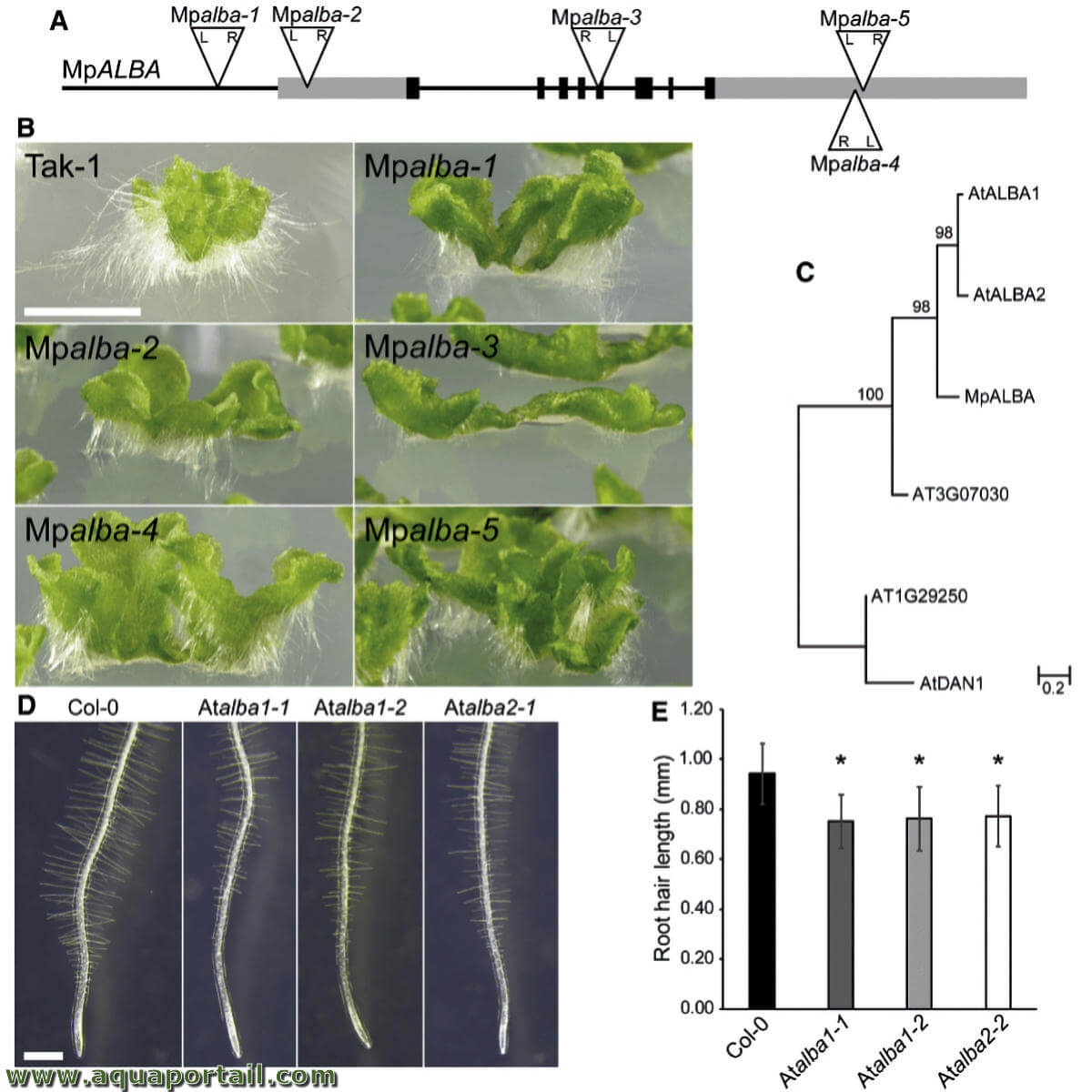
ALBA proteins are required for rhizoid and root hair elongation in Marchantia polymorpha and Arabidopsis thaliana. Mp-ALBA mutant rhizoids are shorter than WT (Tak-1) after 21 days of gemma growth.
33 genes required for rhizoid growth were identified, 6 of which had not been previously functionally characterized in green plants. Members of the same orthogroup are active in cell wall synthesis, cell wall integrity sensing, and vesicle trafficking during tip-growing rhizoid and root hair growth in M. polymorpha and Arabidopsis thaliana. This indicates that the cell surface construction mechanism of tip-growing rooting cells is conserved across land plants and was active in the earliest land plants that existed over 470 million years ago.
Role of auxin with rhizoids
Auxin is a plant hormone that promotes cell elongation and thus influences nearly all aspects of plant growth and development. Due to the acidic pH outside the cell and neutral pH of the cytoplasm, auxin permeates the cell's plasma membrane in its neutral form but ionizes inside the cell. Because auxin becomes ionized, it cannot freely cross the lipid bilayer of the plasma membrane and must exit via an auxin efflux carrier protein. The polarized distribution of auxin efflux carriers in the plasma membrane of each cell determines the auxin transport pathway in the plant, and auxin transport polarity correlates with numerous developmental and physiological responses.
Water and nutrients move from protoplast to protoplast across the root via the symplast or through the cell walls around cells via the apoplast. Endodermal cells possess specialized thickenings of lignin and suberin in their anticlinal cell walls that inhibit the free diffusion of polar molecules and ions through the apoplast.
Synonyms, antonyms
Spanish translation: rizoide
1 synonym (similar meaning) for "rhizoid":
0 antonyms (opposite meaning).
Related words and expressions to RHIZOID are directly connected by general or specific meaning.
The word RHIZOID is listed on page 1 of words starting with R in the dictionary glossary.
Related to "rhizoid"
zoid

A zoid is a motile reproductive cell, whether a spore or a gamete, that moves by means of flagella or cilia.
Rhizobium
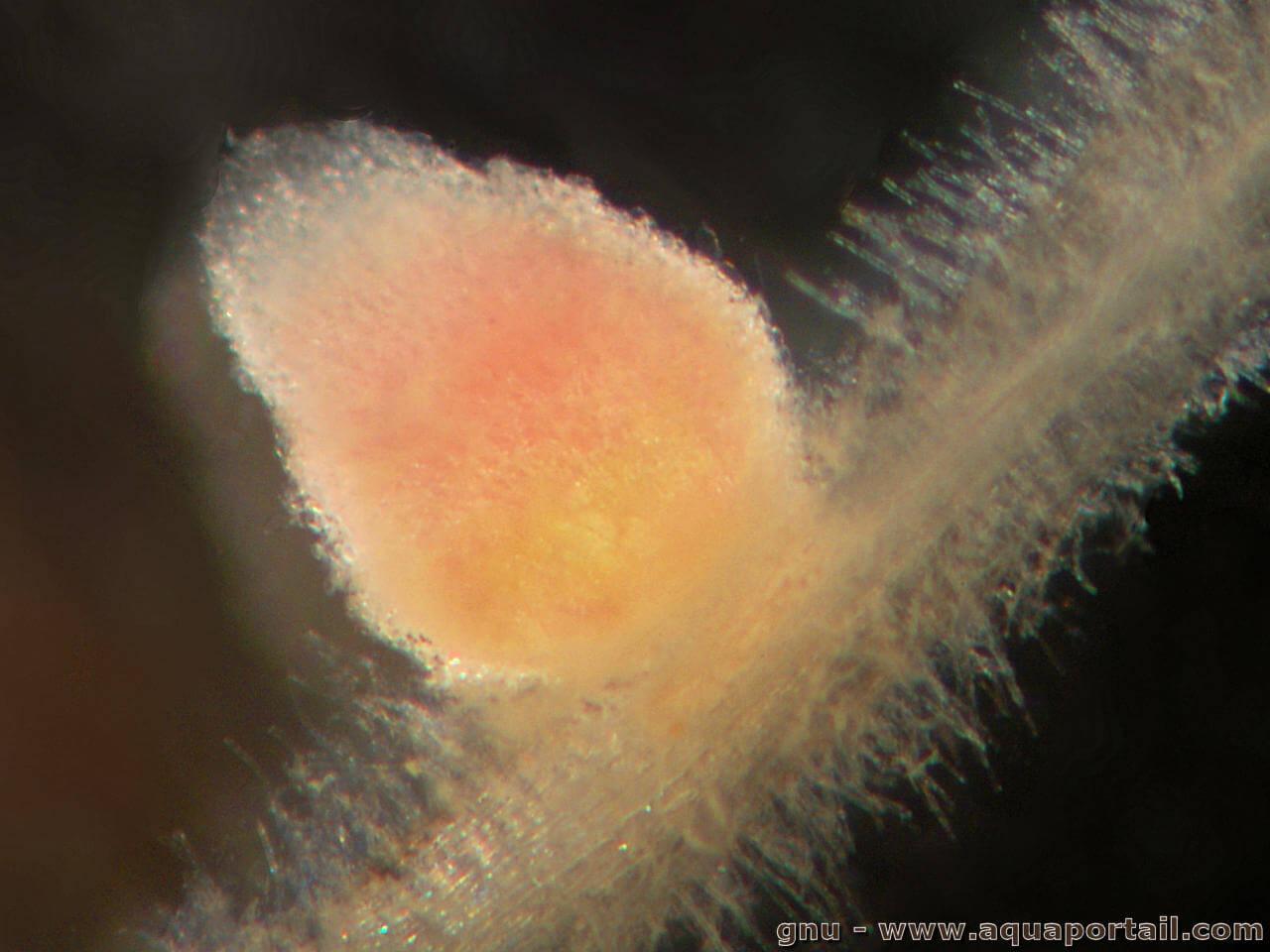
Rhizobium is a genus of aerobic, Gram-negative, diazotrophic soil bacteria that fix atmospheric nitrogen.
rhizome
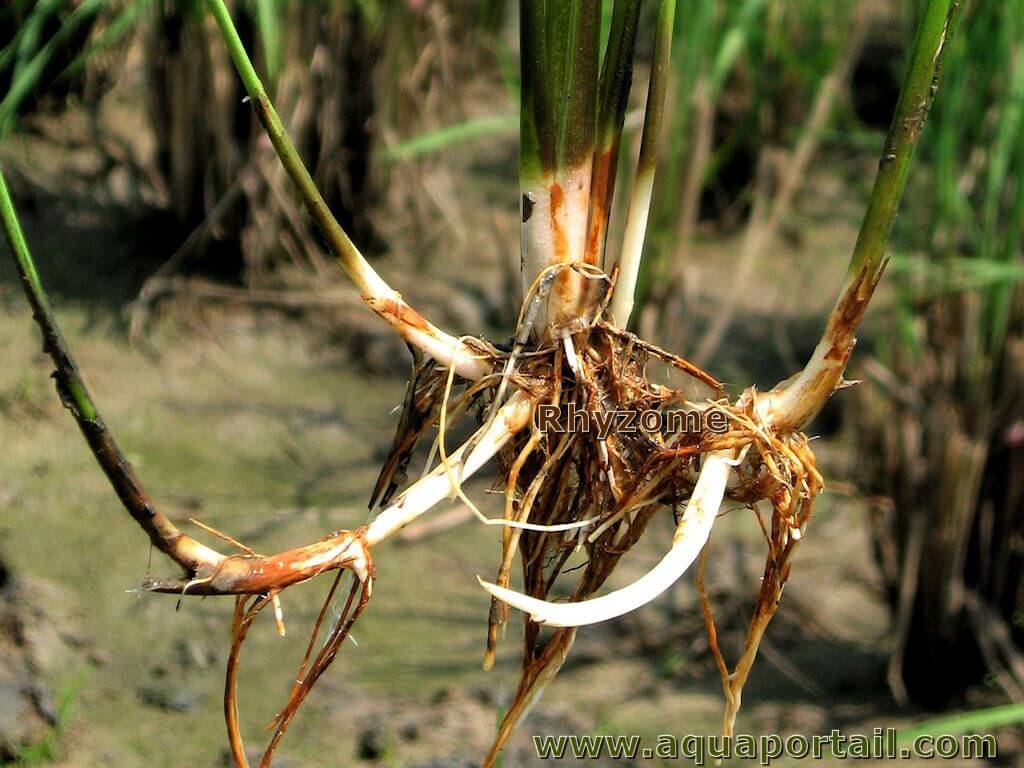
A rhizome is a perennial, subterranean or subaquatic, elongated horizontal or oblique plant stem typically extending along or beneath the soil surface.
rhizoplast

A rhizoplast is a fibril connecting the blepharoplast to the nucleus in flagellated cells or organisms.
