Retinoid
noun (n.)
Definition
In cell biology, the retinoid (or retinoid body) is a region of the ocelloid in certain dinoflagellates, composed of fibrillar material, onto which light is focused by the hyalosome.
In chemistry and medicine, retinoids form a chemical class of bio-organic compounds structurally related to vitamin A. In medicine, they are used to control and regulate epithelial cell growth.
A protein of a retinoid:
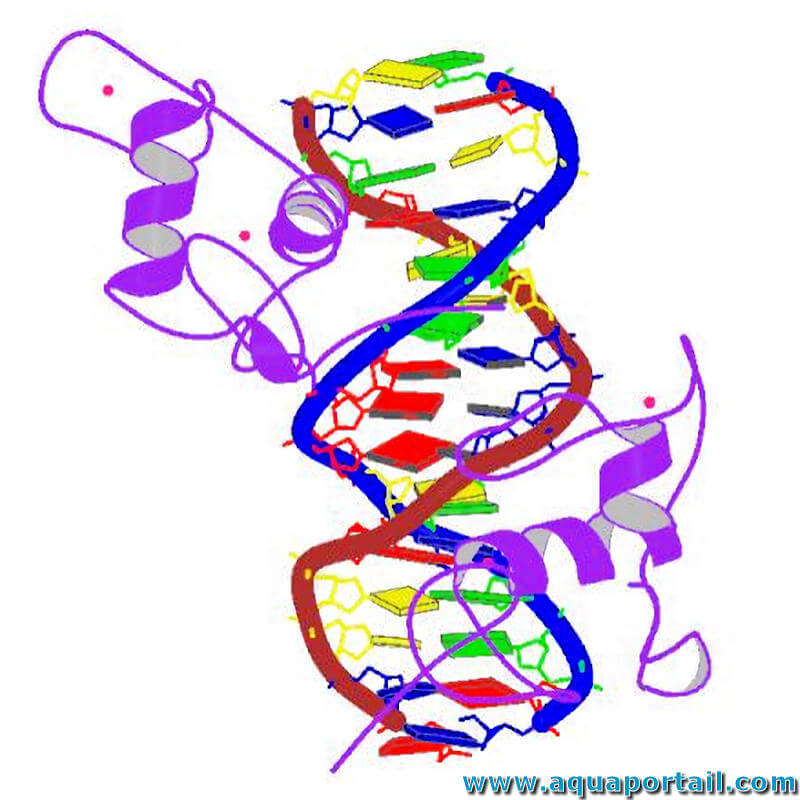
Retinoid X receptor alpha (RXRA), also known as NR2B1 (nuclear receptor subfamily 2, group B, member 1), is a nuclear receptor encoded in humans by the RXRA gene.
Explanations
Retinoids perform a number of important and diverse functions in the body, including in sight (vision), regulation of cell growth and differentiation, bone tissue growth, immune system function, and activation of tumor suppressor genes.
Retinoids are divided by generation:
- first generation: retinol, tretinoin, isotretinoin, and alitretinoin
- second generation: etretinate and its metabolite acitretin
- third generation: tazarotene, bexarotene, and adapalene.
✅ Retinoids refer to chemicals that are structurally or functionally similar to retinol, or vitamin A, which is an essential biomolecule for embryonic development and adult body homeostasis.
All retinoids retain a hydrophobic polyene tail attached to a 6-carbon ring. The polyene chain is characterized by alternating conjugated carbon-carbon double bonds, making retinoids light-sensitive. Unlike signaling proteins, retinoids have a much lower molecular weight of approximately 300 Da.
Given their molecular structures, retinoids are highly lipid-soluble and capable of diffusing across cell membranes. Retinoids are involved in cell growth, apoptosis, immune response, and epithelial differentiation through interaction with nuclear receptors, namely the retinoic acid receptor (RAR) and the retinoid X receptor (RXR).
During early embryonic development, the primary active form of retinoids, all-trans retinoic acid, regulates germ layer formation, body axis patterning, neurogenesis, cardiogenesis, and development of the pancreas, lungs, and eyes. It is also critical for visual function.
Because of the broad spectrum of retinoic acid functions, the metabolism, regulation, and function of vitamin A have been extensively studied for decades. Retinoid metabolic pathways and retinoic acid functions are particularly studied during early embryonic development.
Synonyms, antonyms
Spanish translation: retinoide
2 synonyms (similar meaning) for "retinoid":
0 antonyms (opposite meaning).
Related words and expressions to RETINOID are directly connected by general or specific meaning.
The word RETINOID is listed on page 1 of words starting with R in the dictionary glossary.
Related to "retinoid"
retina
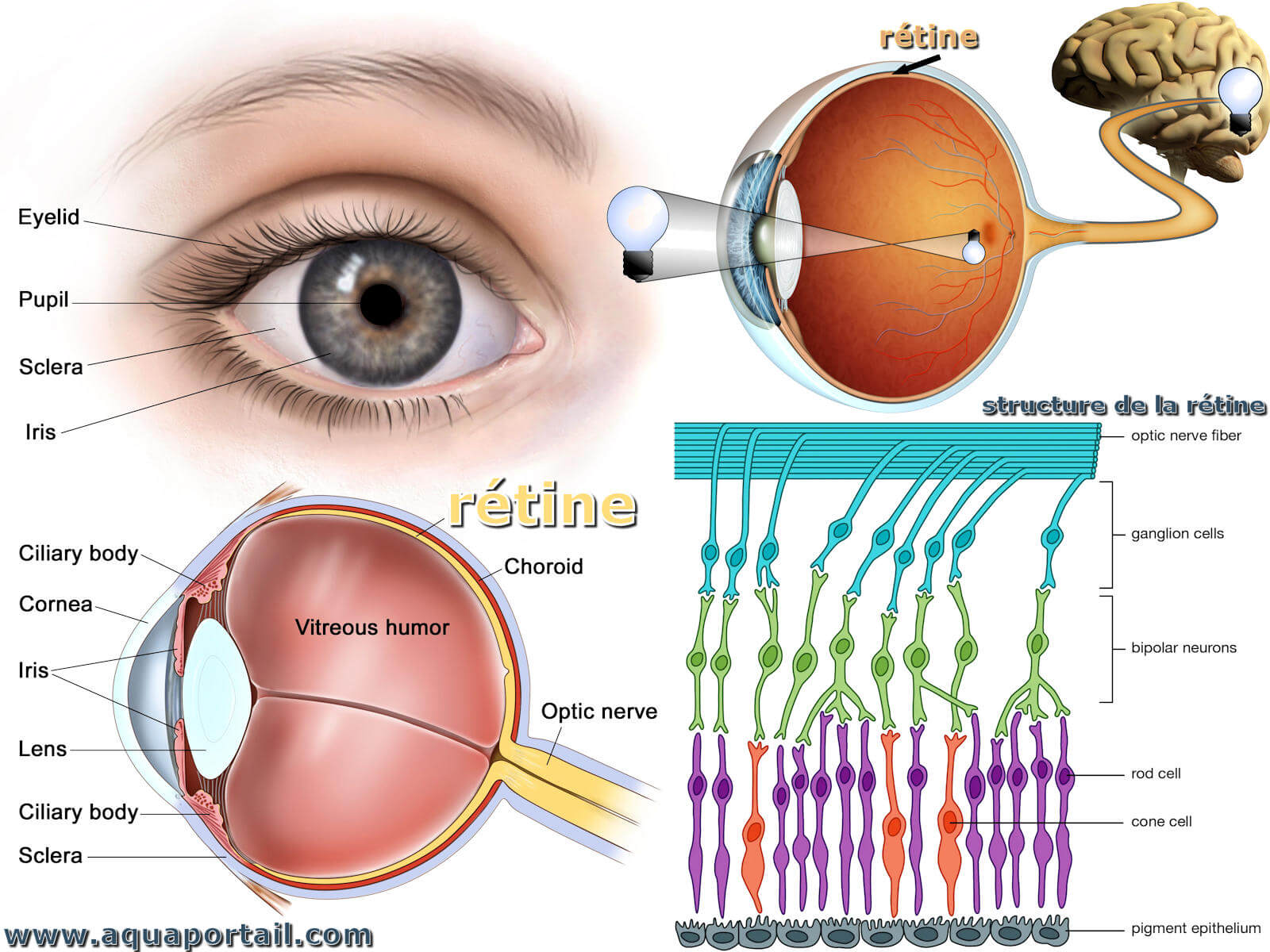
The retina is an essential organ of vision, a layer of tissue at the back of the eye that detects light and sends images to the brain.
retinaculum
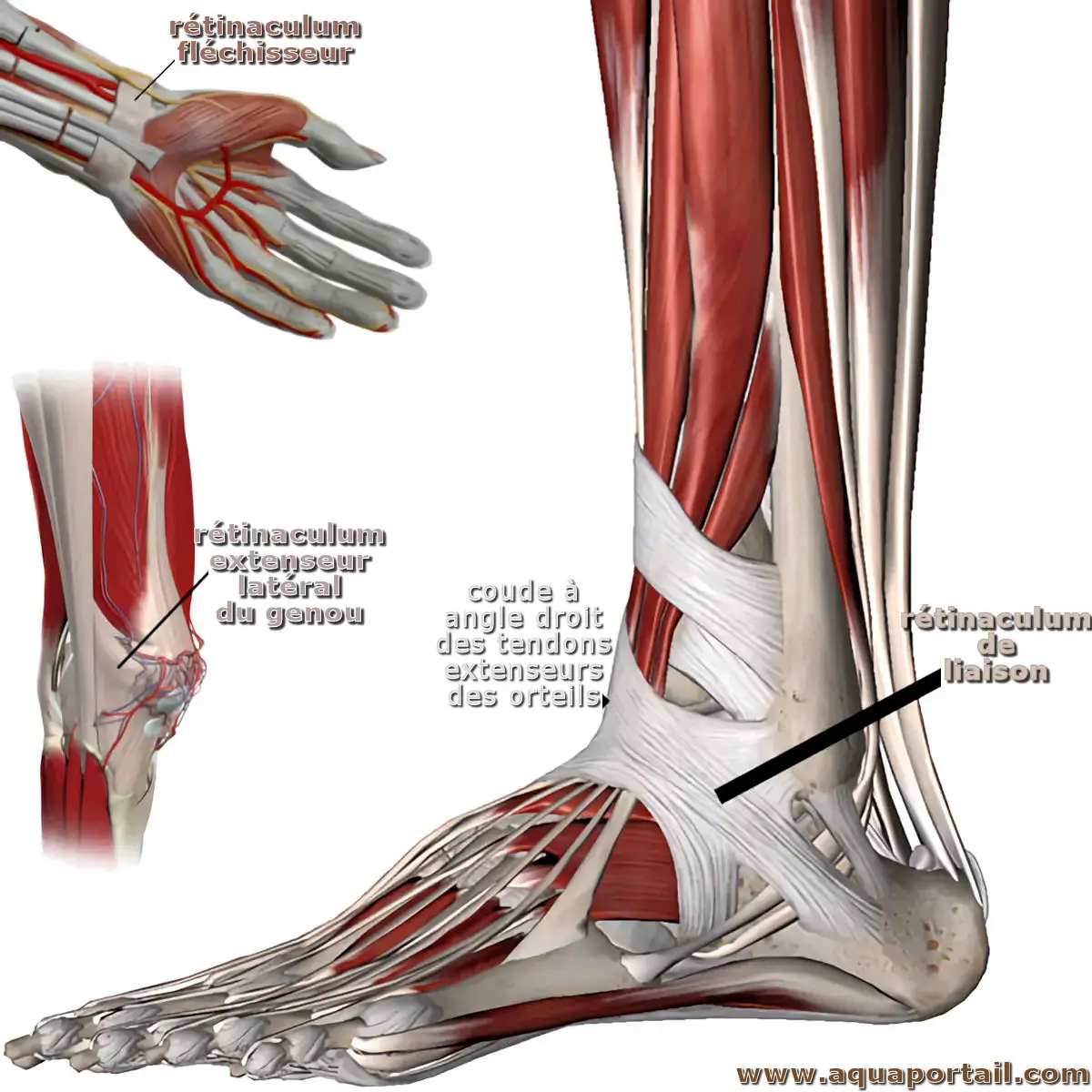
Retinacula ensure smooth movement of the distal extremities by anchoring tendons close to joints.
retinal

Retinal is a chromophore of proteins in the rhodopsin group, including bacteriorhodopsin. Derived from carotenoids, it represents vitamin A along with other...
ramulus

A ramulus is a small branching of branches or stems of a plant that has undergone a metamorphosis resulting in growth arrest.
