Rhizobium
noun (n.)
Definition
Rhizobium is a genus of aerobic, Gram-negative, diazotrophic soil bacteria that fix atmospheric nitrogen. Rhizobiums, or rhizobia, belong to the family Rhizobiaceae. They form a symbiosis with plants of the legume family, whose best-known representatives include peas, beans, soybeans, peanuts, clover, alfalfa...
Sinorhizobium meliloti is a rhizobium:
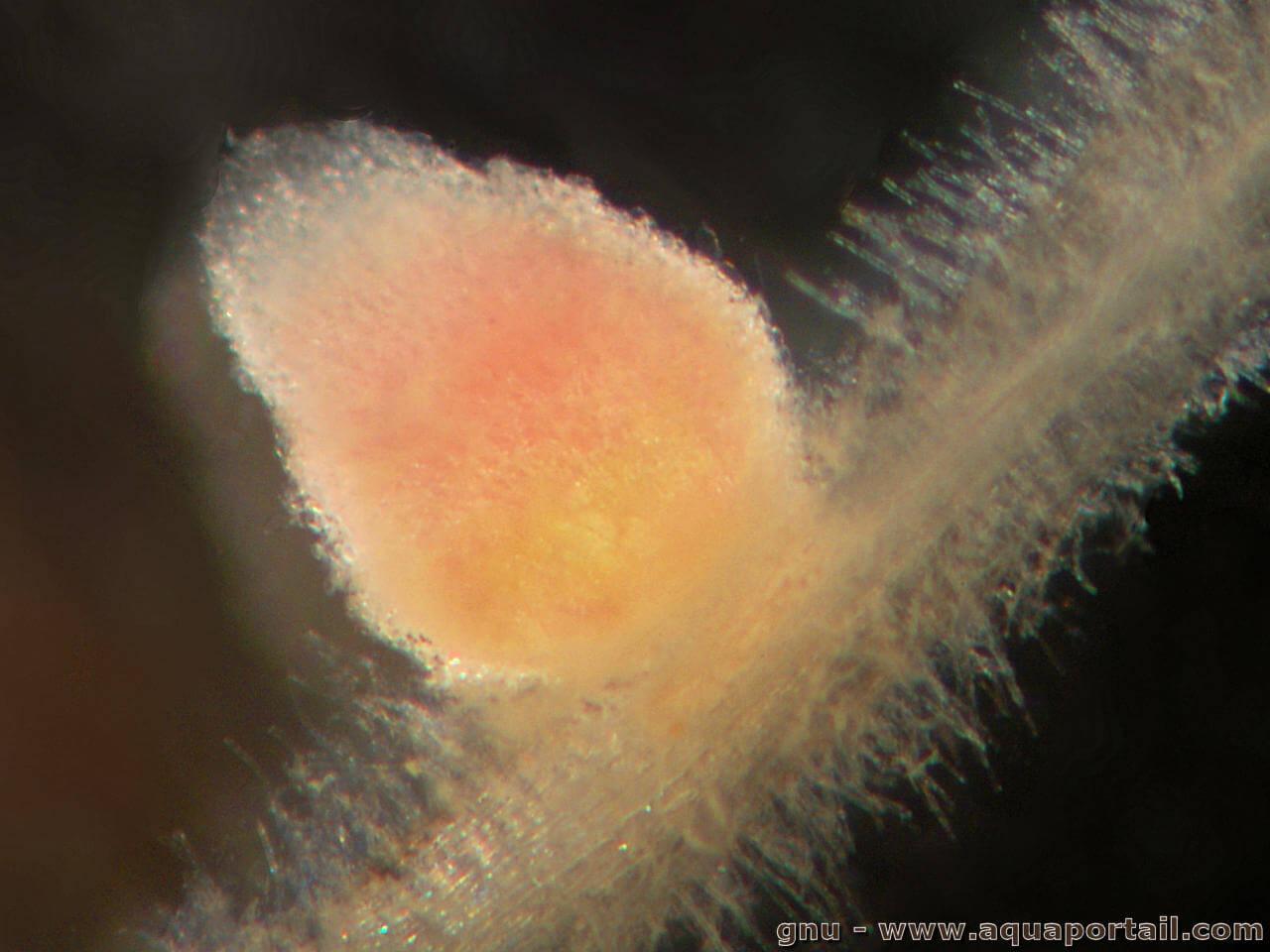
The rhizobium Sinorhizobium meliloti was inoculated into a root nodule (shown in cross-section) on an alfalfa plant Medicago sativa. The bacterium is symbiotic with alfalfa.
Explanations
Rhizobia live in symbiosis with higher plants possessing root systems and fix atmospheric nitrogen for these plants (see nitrogen fixation), enabling them to grow in nitrogen-poor soils. Nitrogen-fixing nodules (root nodules) form on the plant roots, housing the bacteria. The fixed nitrogen is assimilated by the plant.
✅ Agrobacterium tumefaciens was recently reclassified under the taxon Rhizobium radiobacter.
Root symbiosis
Rhizobia enter into symbiosis with the roots of certain plants following an infection process induced by the plant itself through lectin secretion, thereby supplying the nitrogen essential for plant life while the plant provides shelter. More specifically, the symbiotic state is enabled by the formation of an oxygen-carrying molecule equivalent to hemoglobin, called leghemoglobin.
This symbiotic molecule can only be synthesized when both organisms are in symbiosis; on the bacterial side, the heme group of the molecule is synthesized, while on the plant side, the apoprotein (globin) is synthesized. Thus, through this newly formed molecule, the oxygen transport required for bacterial metabolism (enabling nitrogen fixation for the plant) is carried out.
✅ The Rhizobium-legume (Fabaceae, formerly Leguminosae) association is one of the finest examples of true symbiosis, because plants growing in nitrogen-poor (or very low-nitrogen) soils benefit from biological fixation by the bacteria, while the plants provide a protective and nourishing environment.
Characteristics
Rhizobium bacteria are free-living organisms inhabiting the rhizosphere and feeding">feeding on the remains of dead organisms. They carry a plasmid encoding vital information for infection and nodulation of the corresponding host plant.
They are motile Gram-negative bacilli with two cell wall layers (the first composed of carbohydrates and proteins, and the second of lipids and carbohydrates), prokaryotic, aerobic (requiring oxygen to grow), motile (in the motility test, the agar">agar turns yellow rather than its original purple color), beta-hemolytic, capable of growing at nearly all temperatures with an optimum at 25 °C (77 °F), measuring 0.5–0.9 × 1.2–3.0 μm, and possessing flagella.
Stages of nodule formation
The 6 stages of rhizobium nodule formation are:
- recognition: the plant and bacteria must recognize the appropriate partner. This occurs because legume roots secrete organic compounds that stimulate microbial growth in the rhizosphere (not exclusive to rhizobia). If rhizobia are present in the soil, they proliferate into dense populations. Thus, the first step in nodule formation is bacterial attachment to the root hairs of the corresponding plant, promoted by a specific adhesion protein on the surface of all Rhizobium bacteria that binds to calcium complexes on root hair surfaces. Other substances also participate in plant-bacterium adhesion, such as lectins, which bind to various oligosaccharides on the bacterial surface
- secretion of determining factors by the bacterium: first, bacterial cells penetrate the root hair at its tip and secrete substances called determining factors, causing root hair curling. Genes that subsequently direct specific nodulation steps are involved in this process; these are carried on large plasmids called Sym plasmids, which contain specificity genes determining which Rhizobium strain binds to a given host plant. Thus, in addition to common Nod genes, species-specific genes exist for each Rhizobium species. Furthermore, Nod genes participate in producing the aforementioned Nod factors (oligosaccharides), which trigger cortical cell division in the plant to form the nodule
- invasion: the bacterium invades the root hairs and induces the plant to form a cellulose tube called an infection thread, within which rhizobia multiply
- migration: bacteria migrate toward the root cortex via the infection thread and infection reaches cells adjacent to the root hairs, while Nod factors stimulate plant cell division, forming the nodule
- appearance of bacteroids: Rhizobium bacteria multiply inside plant cells and develop into branched, swollen forms. At this stage bacteroids appear—differentiated bacterial cells required for nitrogen fixation. These are enclosed by portions of the plant membrane to form structures called symbiosomes, and once formed, nitrogen fixation begins
- continued cell division: following formation of the mature root nodule, both bacterial and plant cells continue dividing.
Cross-inoculation groups
Cross-inoculation groups are groups of Rhizobium strains that infect only a specific group of closely related legume species. The fact that a strain can infect a particular legume does not necessarily mean that nitrogen-fixing nodules will form; this capacity is determined by bacterial genes.
Ineffective strains are identified because they produce smaller, whitish nodules lacking nitrogen-fixing ability, whereas effective strains form larger, reddish nodules capable of fixing nitrogen. In conclusion, given the diverse varieties of Rhizobium bacteria, each has the capacity to establish symbiosis with a specific legume.
Importance in agriculture
Symbiosis between Rhizobium bacteria and legumes is of major importance to both agriculture and the environment. Agriculture benefits because it leads to a significant increase in combined nitrogen in poor soils where it is lacking. Moreover, legumes, an essential component of agriculture, thrive due to their ability to grow in areas where other crops could not.
Furthermore, since nitrogen is one of the primary limiting nutrients for plant growth, this symbiosis increases atmospheric nitrogen fixation, thereby boosting agricultural yields. It also benefits agriculture economically because many agricultural sectors rely on legumes, and their ability to grow without nitrogen fertilizers (as bacteria replace them) saves substantial quantities of fertilizer.
Environmentally, chemical fertilizers are a leading cause of environmental degradation, driving eutrophication of water bodies, soil erosion, and acid rain generation. These nitrogen-fixing bacteria can serve as an alternative to nitrogen fertilizers to enhance legume growth, thereby curbing associated environmental problems.
Synonyms, antonyms
Spanish translation: Rhizobium
0 synonyms (similar meaning) for "rhizobium".
0 antonyms (opposite meaning).
Related words and expressions to RHIZOBIUM are directly connected by general or specific meaning.
The word RHIZOBIUM is listed on page 1 of words starting with R in the dictionary glossary.
Related to "Rhizobium"
rhizoid
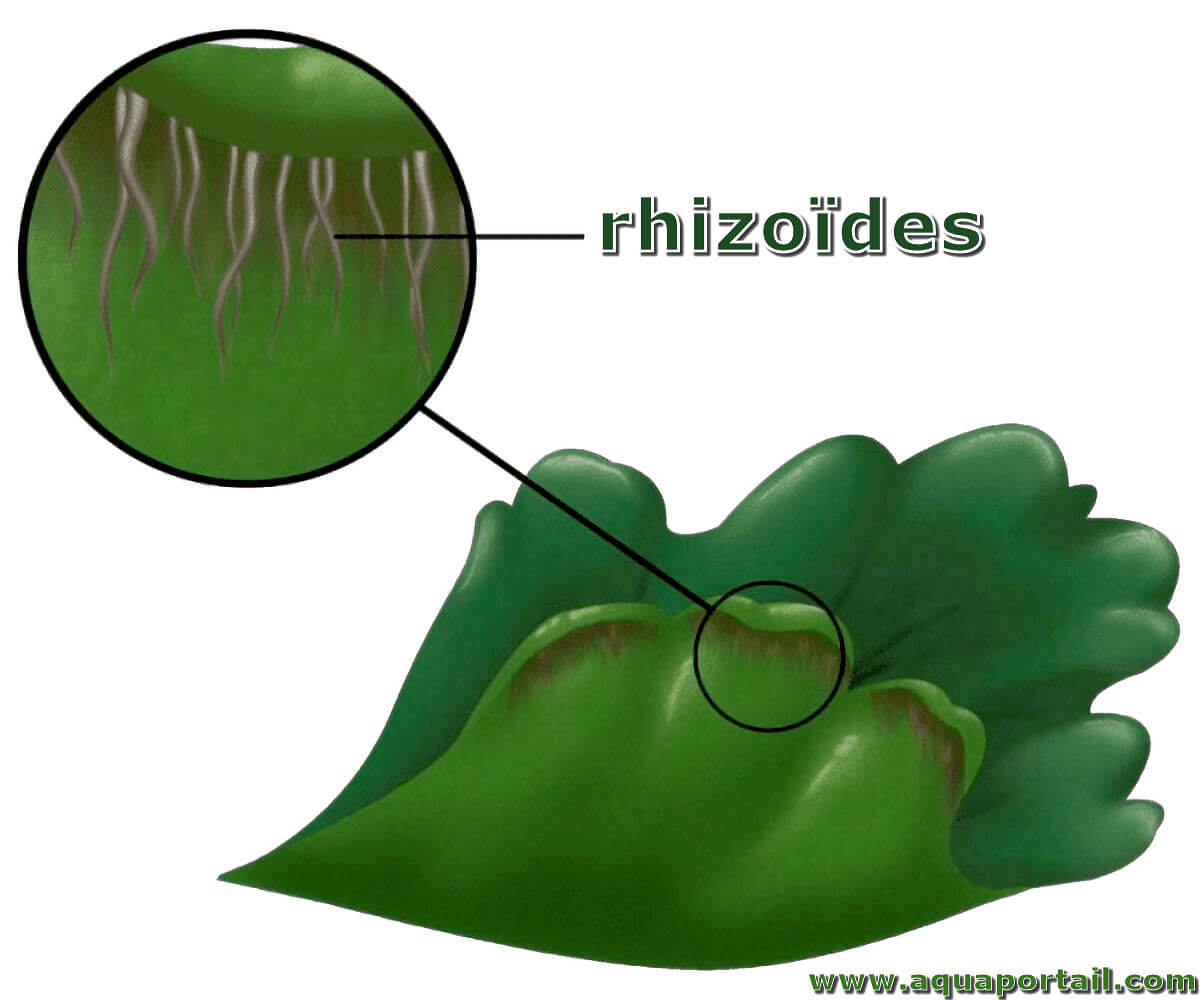
A rhizoid is a hair-like structure with anchoring and absorptive functions in non-vascular lower plants.
rhizome
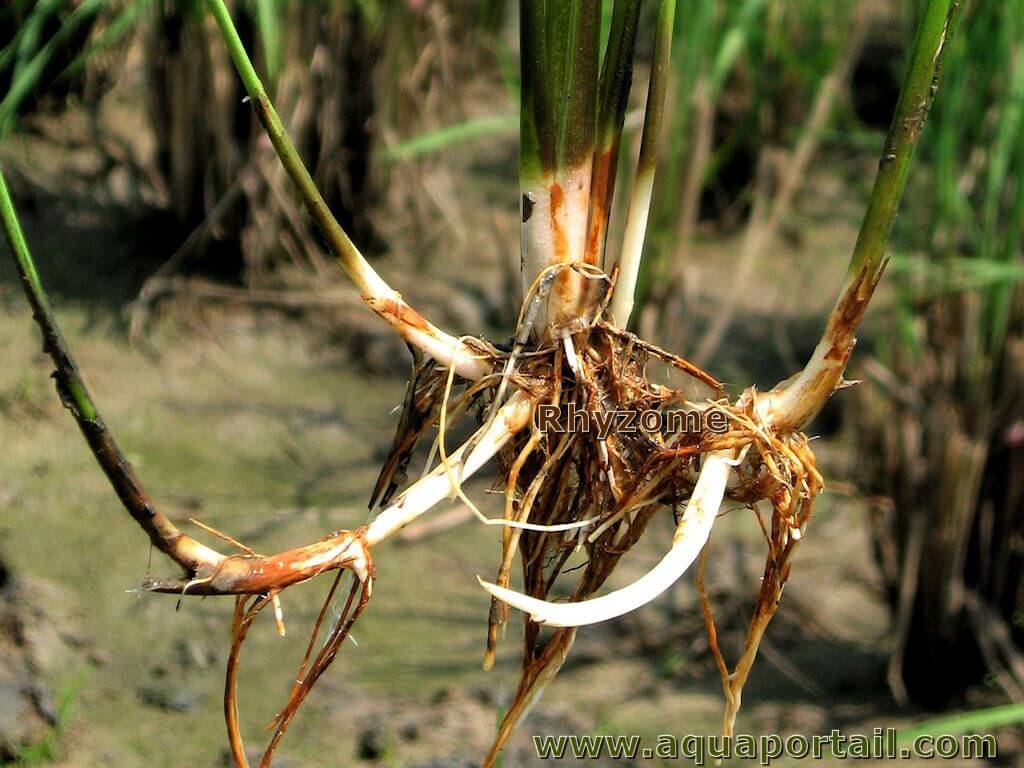
A rhizome is a perennial, subterranean or subaquatic, elongated horizontal or oblique plant stem typically extending along or beneath the soil surface.
rhizoplast

A rhizoplast is a fibril connecting the blepharoplast to the nucleus in flagellated cells or organisms.
ramulus

A ramulus is a small branching of branches or stems of a plant that has undergone a metamorphosis resulting in growth arrest.
