Rhodoplast
noun (n.)
Definition
A rhodoplast is the red-colored plastid of Rhodophyta algae that gives them their reddish coloration. Rhodoplasts are erythroplasts of rhodophytes bearing red pigments, whereas chloroplasts contain a green pigment and pheoplasts contain a brown pigment.
Red rhodoplasts under the microscope:
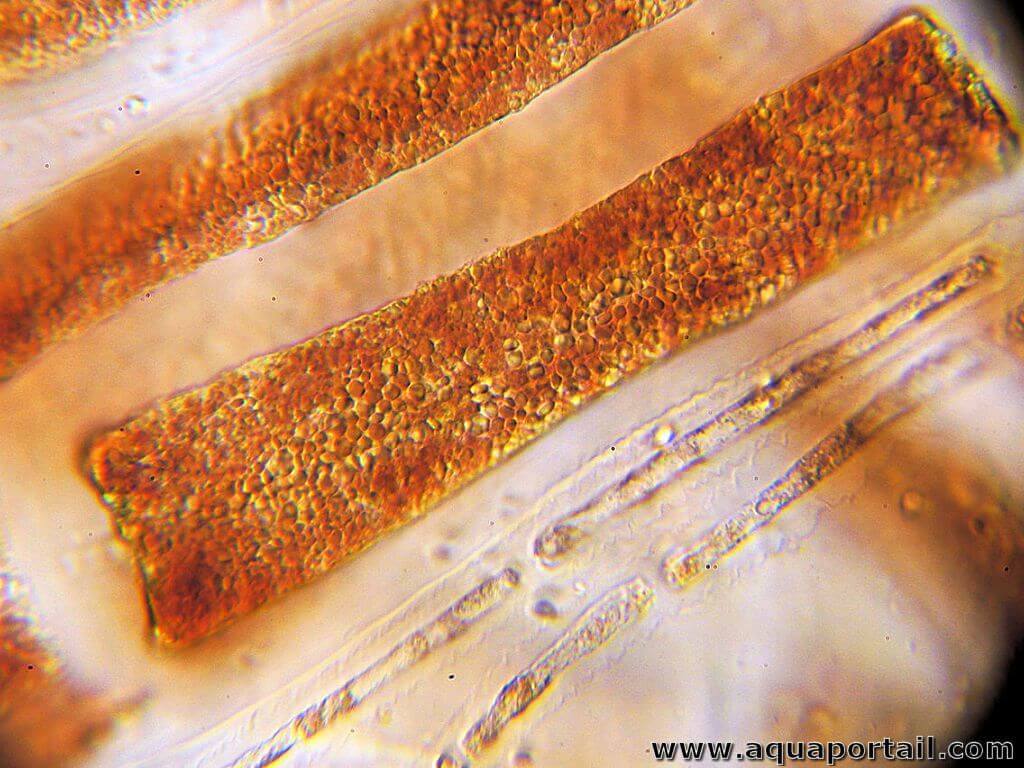
Rhodoplasts are photosynthetic plastids of red algae containing phycobiliproteins (phycoerythrin).
Explanations
Rhodoplasts perform a photosynthetic function. Their coloration ranges from red to purple depending on water depth and the pigments they contain. Their morphology varies from stellate to cup-shaped or ovoid, and they may contain pyrenoids. They possess a double-membrane envelope and thylakoids bearing phycobilisomes (supramolecular aggregates of pigmented phycobiliproteins) on their surface.
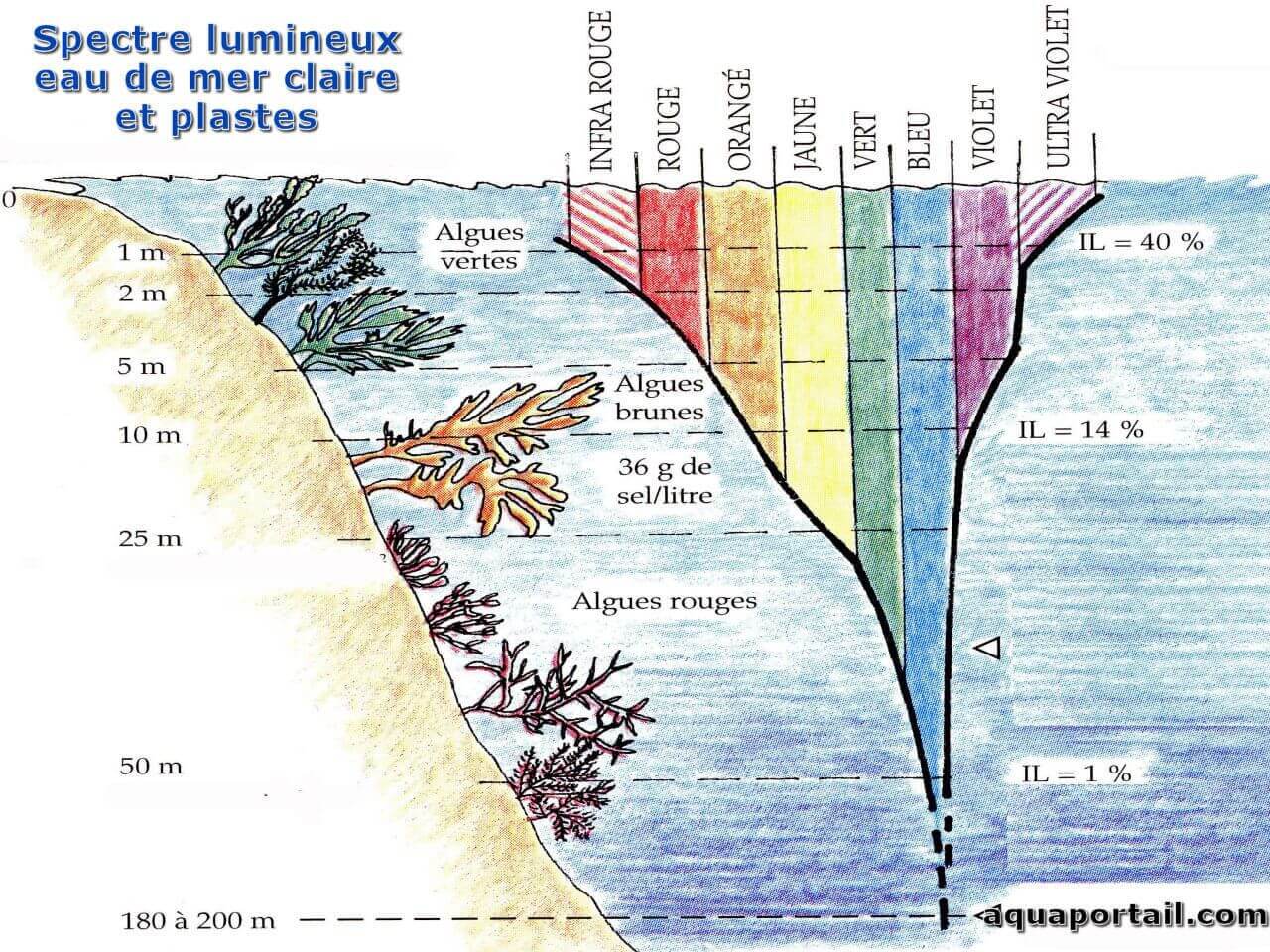
Unlike plant chloroplasts and green algal chloroplasts, they do not contain chlorophyll b. The red pigments (phycoerythrin) promote the absorption of blue-green light, enabling rhodophytes to inhabit depths of up to 268 meters (879 ft) with only 0.0005% of surface sunlight.
⭐ Red algae live deepest in the oceans because their red pigments capture the blue-green light that penetrates deeply into water.
The structure of rhodoplasts differs from that of pheoplasts and chloroplasts in that their thylakoids are unstacked (single), rather than grouped in threes (as in pheoplasts) or stacked into grana.
Rhodoplasts share their origin with plant chloroplasts (see Origin of all plants). They also gave rise to the plastids of chromophyte algae, i.e., algae that secondarily acquired plastids through endosymbiosis with a red alga.
Thus, Rhodophyta algae (rhodophytes) are related to chromophytes by sharing the evolutionary pathway of their plastids, which can be illustrated phylogenetically through analysis of the plastid protein rubisco.
The similarity of plastids to free-living cyanobacteria prompted the botanist Konstantin Mereschkowski to hypothesize that plastids arose from the engulfment of a cyanobacterium by a eukaryotic cell, likely via phagocytosis, in which the cyanobacterium was retained. Over time, this cohabitation solidified into mutual benefit until the cyanobacterium, as an organelle, became an integral part of its host cell.
Synonyms, antonyms
Spanish translation: rodoplasto
2 synonyms (similar meaning) for "rhodoplast":
0 antonyms (opposite meaning).
Related words and expressions to RHODOPLAST are directly connected by general or specific meaning.
The word RHODOPLAST is listed on page 1 of words starting with R in the dictionary glossary.
Related to "rhodoplast"
bacteriorhodopsin
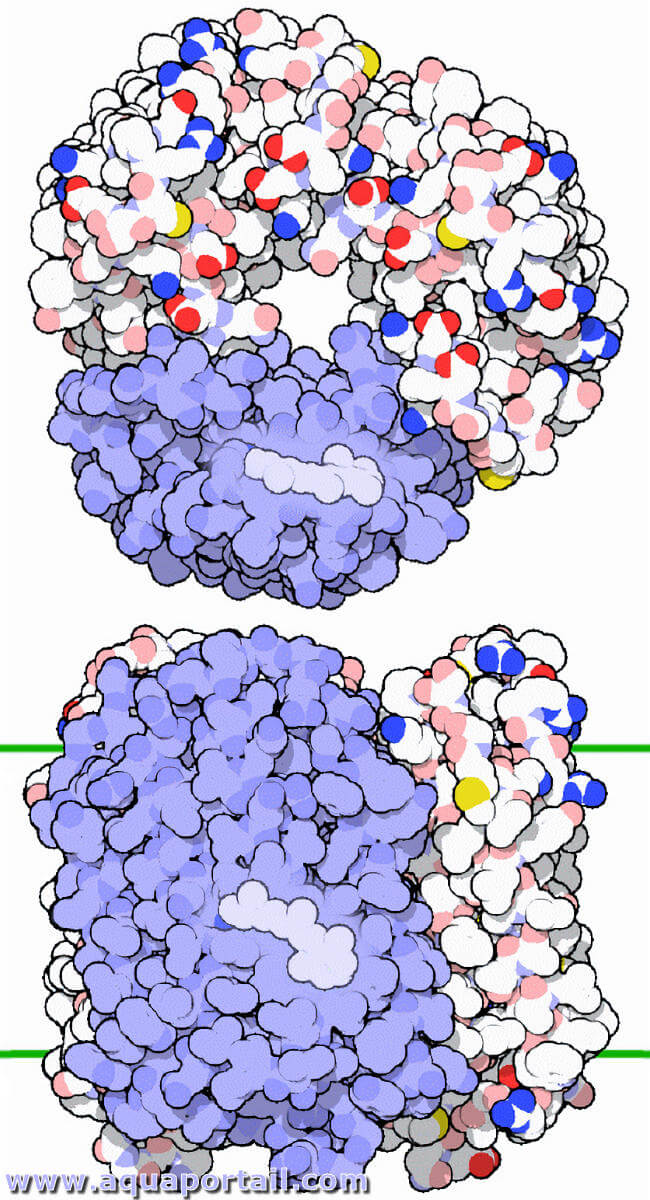
Bacteriorhodopsin (or proteorhodopsin) is a pigment of extreme halophilic photosynthetic archaebacteria.
rhodopsin

Rhodopsin, or visual purple, is a protein constituting the photoreceptor pigment of green algae and of the rod cells of the vertebrate retina.
amyloplast
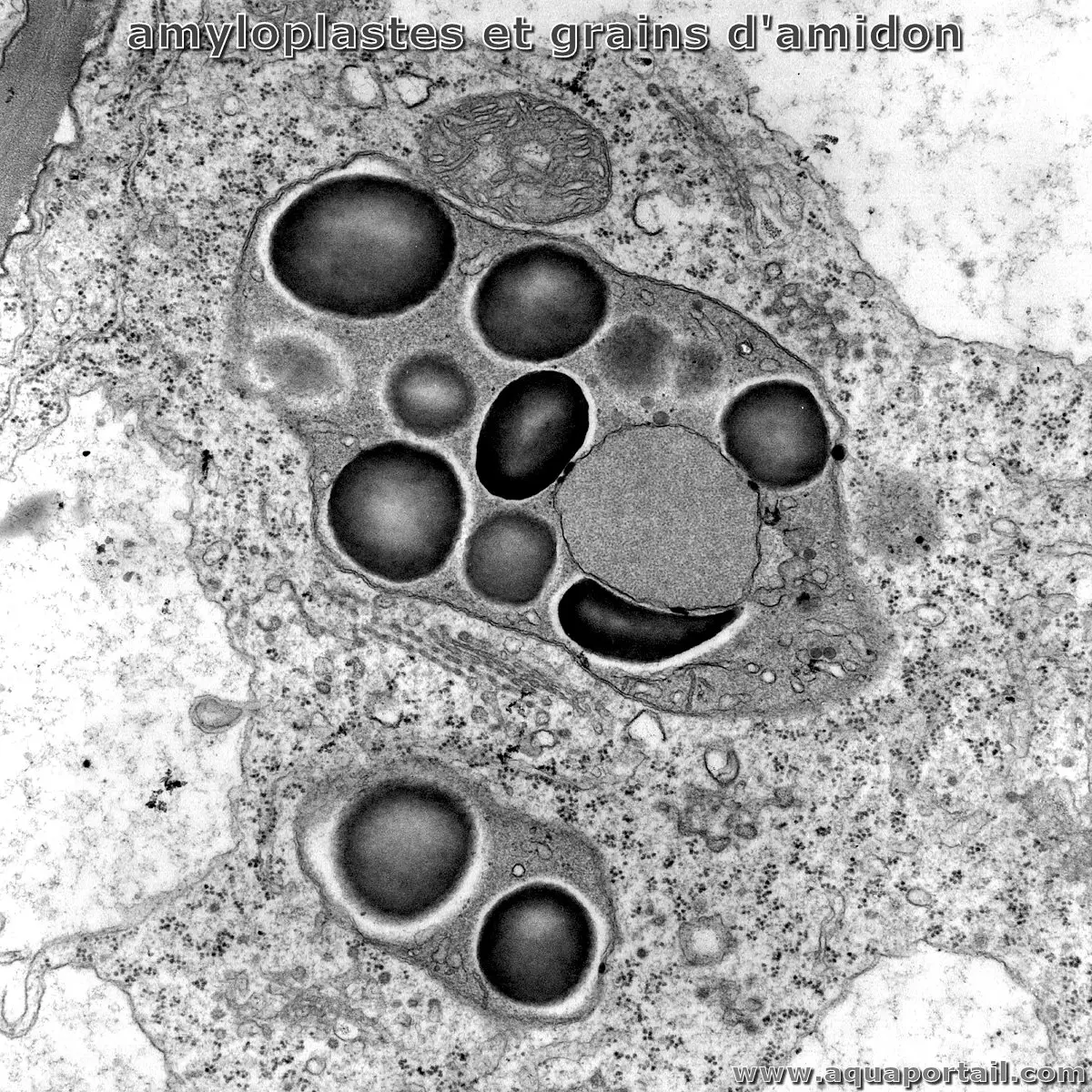
An amyloplast is a colorless plastid that accumulates starch, widespread in the plant kingdom.
pheoplast
In biology, a pheoplast is the carrier of a brown pigment, a brown-colored plastid of Phaeophyceae that gives them their brown coloration.
