Retinal
noun (n.)
Definition
Retinal is a chromophore of proteins in the rhodopsin group, including bacteriorhodopsin. Derived from carotenoids, it represents vitamin A along with other related compounds. It is the aldehyde of retinol and is therefore also called vitamin A aldehyde or retinaldehyde.Biological function
Retinal is the polyene chromophore of numerous photosensitive proteins, the opsins. It is covalently bound as an imine (Schiff base) to a lysine residue, thereby forming rhodopsin. In bacterial and animal rhodopsins, this binding site is located on the seventh transmembrane helix">helix.
2 forms of retinal:

The structural formula of retinal in 2 forms: 11-cis type at the top, and all-trans at the bottom.
In retinal rods, retinal is bound to opsin to form rhodopsin (visual purple) and exists in the 11-cis-retinal configuration. Light absorbed by rods causes isomerization of the retinal molecule (11-cis-retinal becomes all-trans-retinal), triggering a signal-amplifying cascade that leads to optic nerve stimulation via hyperpolarization of the photoreceptor cell.
Mild vitamin A deficiency manifests as reduced night vision. A more severe deficiency leads to faster eye fatigue, night blindness (nyctalopia), and keratinization of ocular epithelial tissues (xerophthalmia).
Vision
Two isomeric forms of retinal are essential in the visual process: 11-cis-retinal and all-trans-retinal. 11-cis-retinal is the light-sensitive component of the rhodopsin molecule, the chromophore decisive for achromatic dim-light vision in the rods of the eye (see retina). 11-cis-retinal is converted into the all-trans configuration upon light absorption, leading to its dissociation from the protein component of rhodopsin, opsin (scotopsin).
This triggers a signal transduction cascade through which the light signal is converted into an electrochemical signal—the receptor potential of the rod cell—via photon absorption and rhodopsin activation. The resulting all-trans-retinal is then converted back into the 11-cis form via an enzymatic pathway involving retinal isomerase, enabling it to recombine with opsin to form a new "ready-to-receive" rhodopsin molecule.
The importance of retinal for vision is also why carrots are commonly said to be good for the eyes. Beta-carotene present in many yellow and orange vegetables is a precursor required for retinal formation. All-trans-retinal is the aldehyde of vitamin A1 (retinol) and is therefore closely related to it.
Other isomeric forms of retinal are known, but play no major role in nature or technology.
In animals
Retinal, bound to proteins called type 1 (microbial) rhodopsins, enables certain microorganisms to convert light into metabolic energy.
vertebrates assimilate retinal or retinol directly. Alternatively, they can synthesize retinal from one of four provitamin carotenoids (alpha-, beta-, and gamma-carotene, as well as beta-cryptoxanthin), obtained from plants or other photosynthetic organisms. Other carotenoids cannot be converted into retinal by animals, and certain obligate carnivores (such as felids) are also unable to convert carotenoids into retinal. In addition to retinal, the other primary forms of vitamin A are retinol and the biologically active form retinoic acid, both produced from retinal.
Invertebrates, such as insects and squids, utilize hydroxylated forms of retinal (3-hydroxyretinal or 4-hydroxyretinal) in their visual system, derived from the conversion of other xanthophylls.
Synonyms, antonyms
Spanish translation: retinal
2 synonyms (similar meaning) for "retinal":
- retinaldehyde
- vitamin A aldehyde
0 antonyms (opposite meaning).
Related words and expressions to RETINAL are directly connected by general or specific meaning.
The word RETINAL is listed on page 1 of words starting with R in the dictionary glossary.
Related to "retinal"
retina
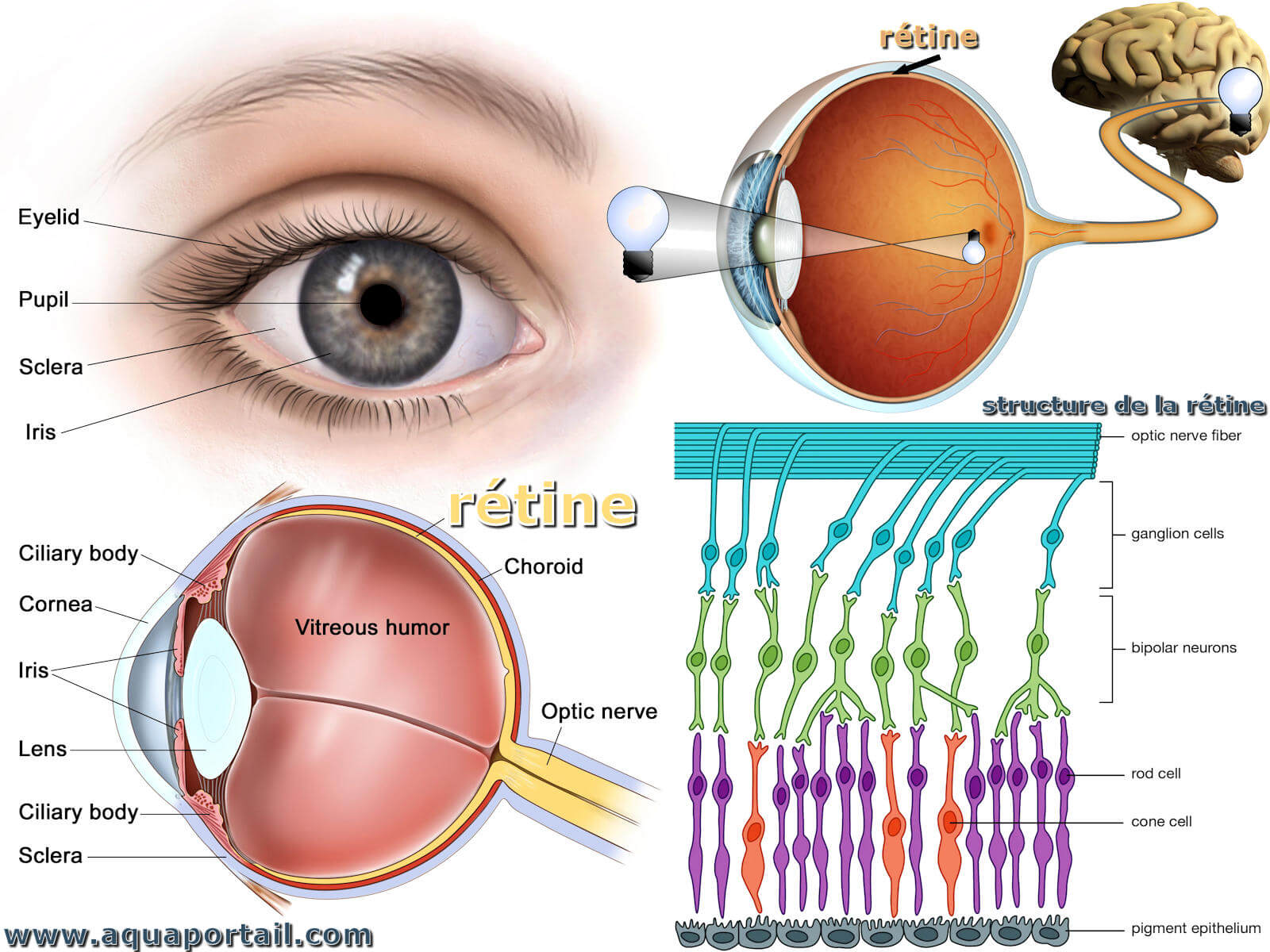
The retina is an essential organ of vision, a layer of tissue at the back of the eye that detects light and sends images to the brain.
retinaculum
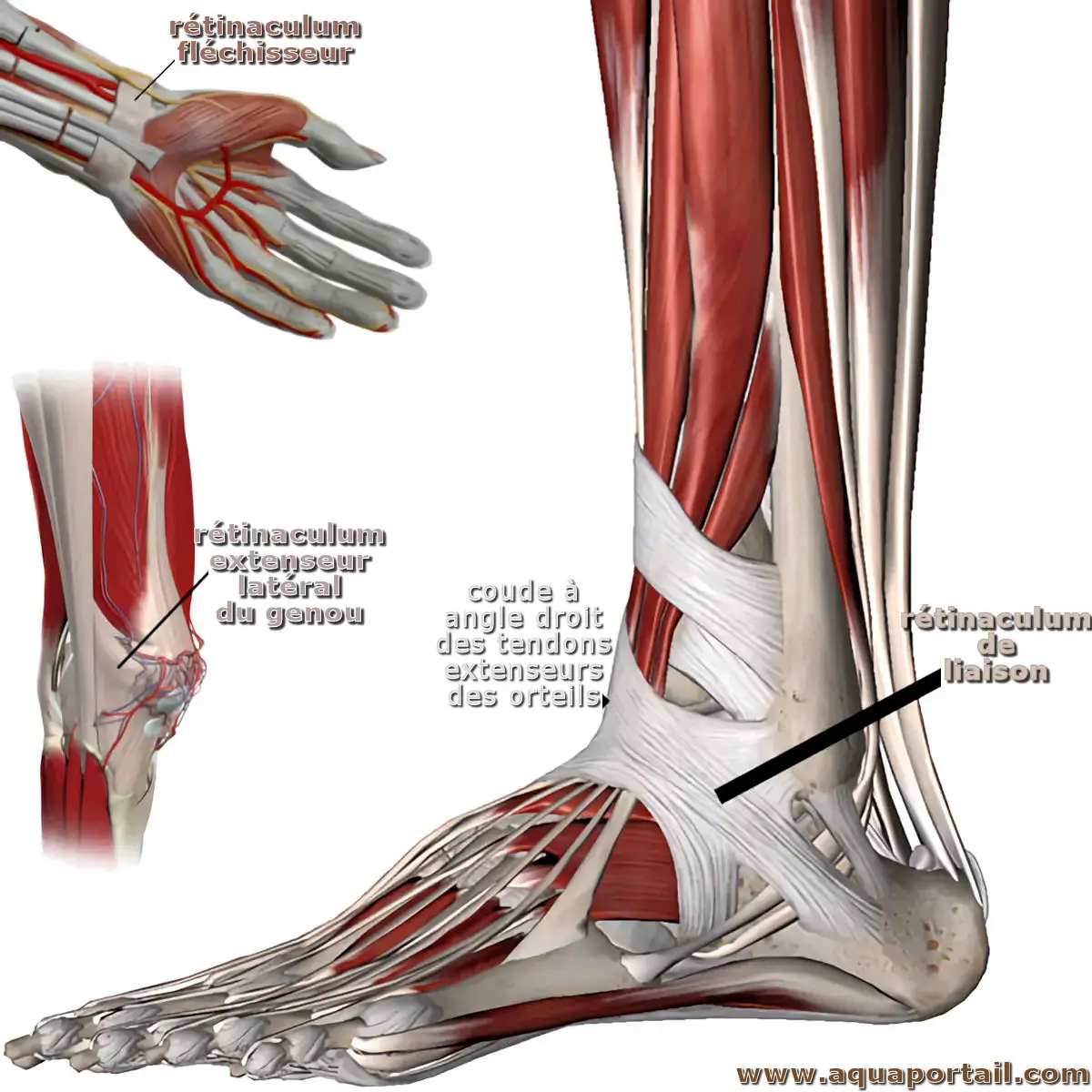
Retinacula ensure smooth movement of the distal extremities by anchoring tendons close to joints.
retinoid
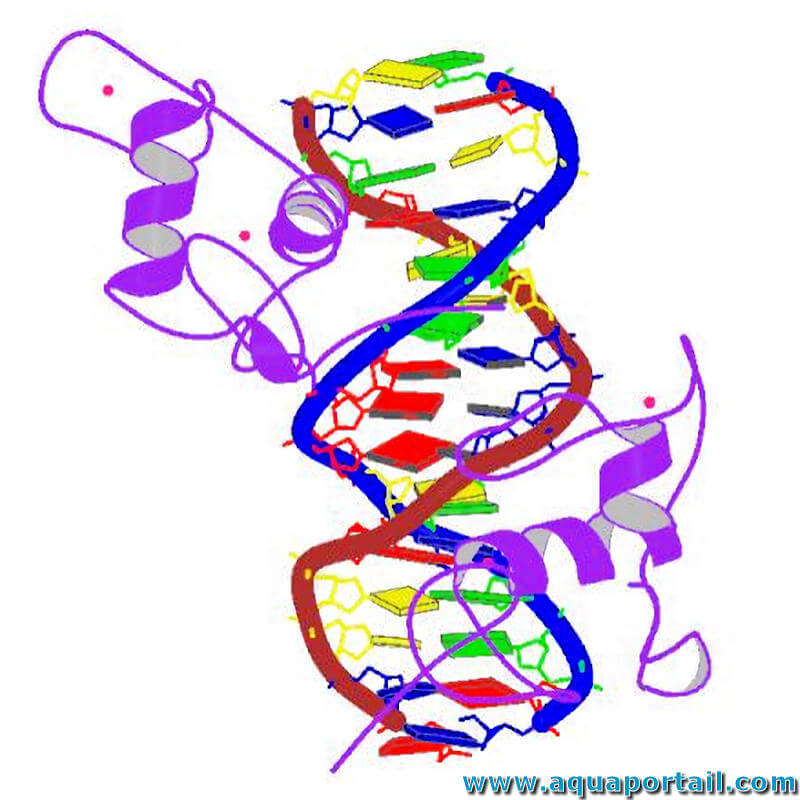
In cell biology, the retinoid (or retinoid body) is a region of the ocelloid in certain dinoflagellates, composed of fibrillar material, onto which light...
ramulus

A ramulus is a small branching of branches or stems of a plant that has undergone a metamorphosis resulting in growth arrest.
