Thallophyte
noun (n.)
Definition
Thallophytes are plant-like organisms composed solely of a thallus. They have neither stems, nor roots, nor leaves. They encompass all lower plants, plant-like species such as algae and lichens. These species are non-vascular.
A thallophyte is a multicellular organism that lacks the tissues and organ systems characteristic of vascular plants. The undifferentiated body (vegetative apparatus) of these organisms is called the thallus.
An algal thallophyte:
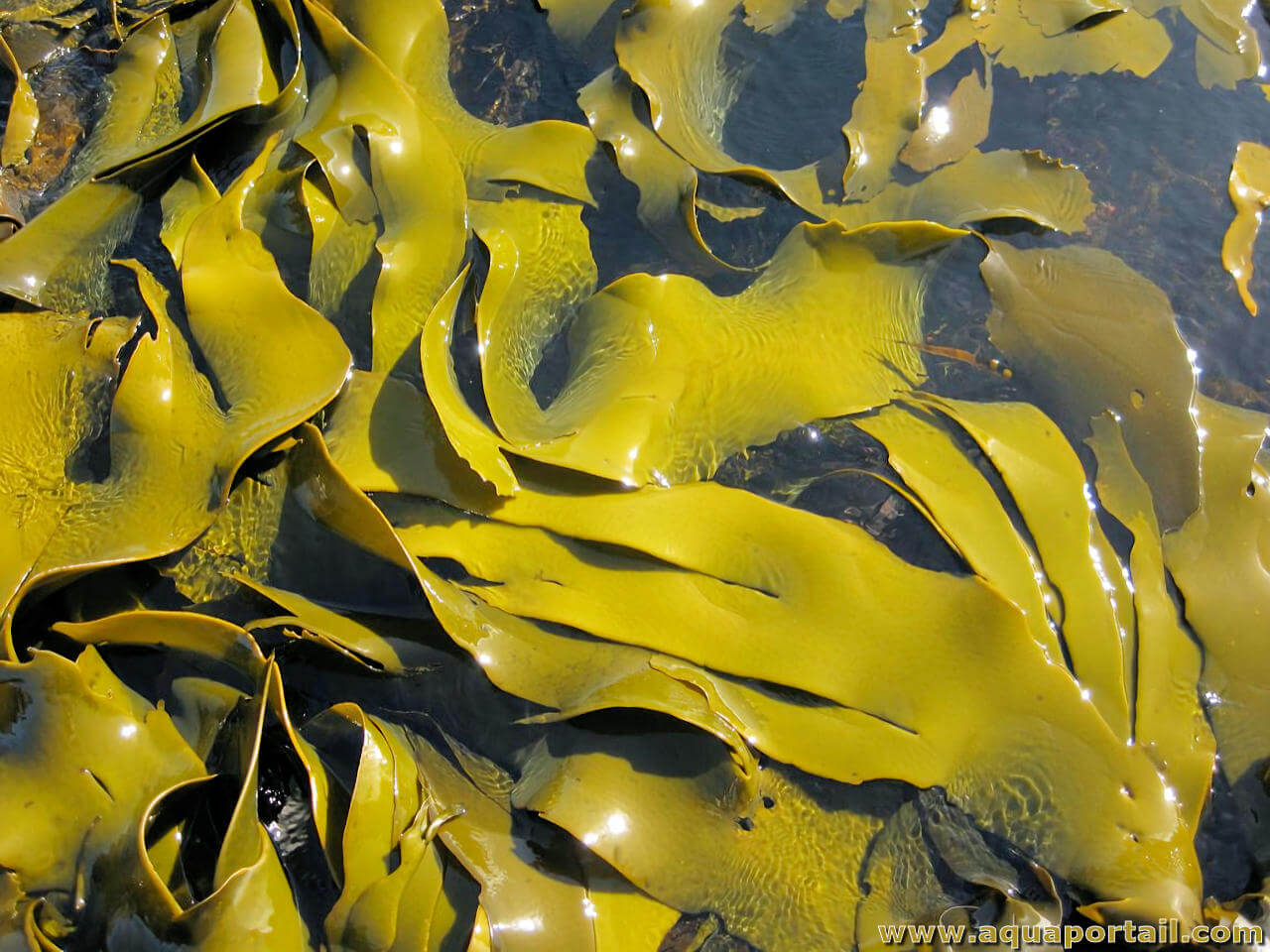
Thallophytes include algae, small or large like this kelp species.
Explanations
A thallophyte is an organism from a former division of the plant kingdom (Thallophyta) composed of the simplest forms of plant life such as algae, characterized by a simple vegetative body (thallus) whose form may be unicellular and microscopic, or multicellular like large marine algae reaching 60 to 70 meters (197 to 230 ft) in length.
While historically fungi belonged to this group, they are excluded today: fungi now belong to a separate kingdom (Fungi).
Lichens are Thallophytes:
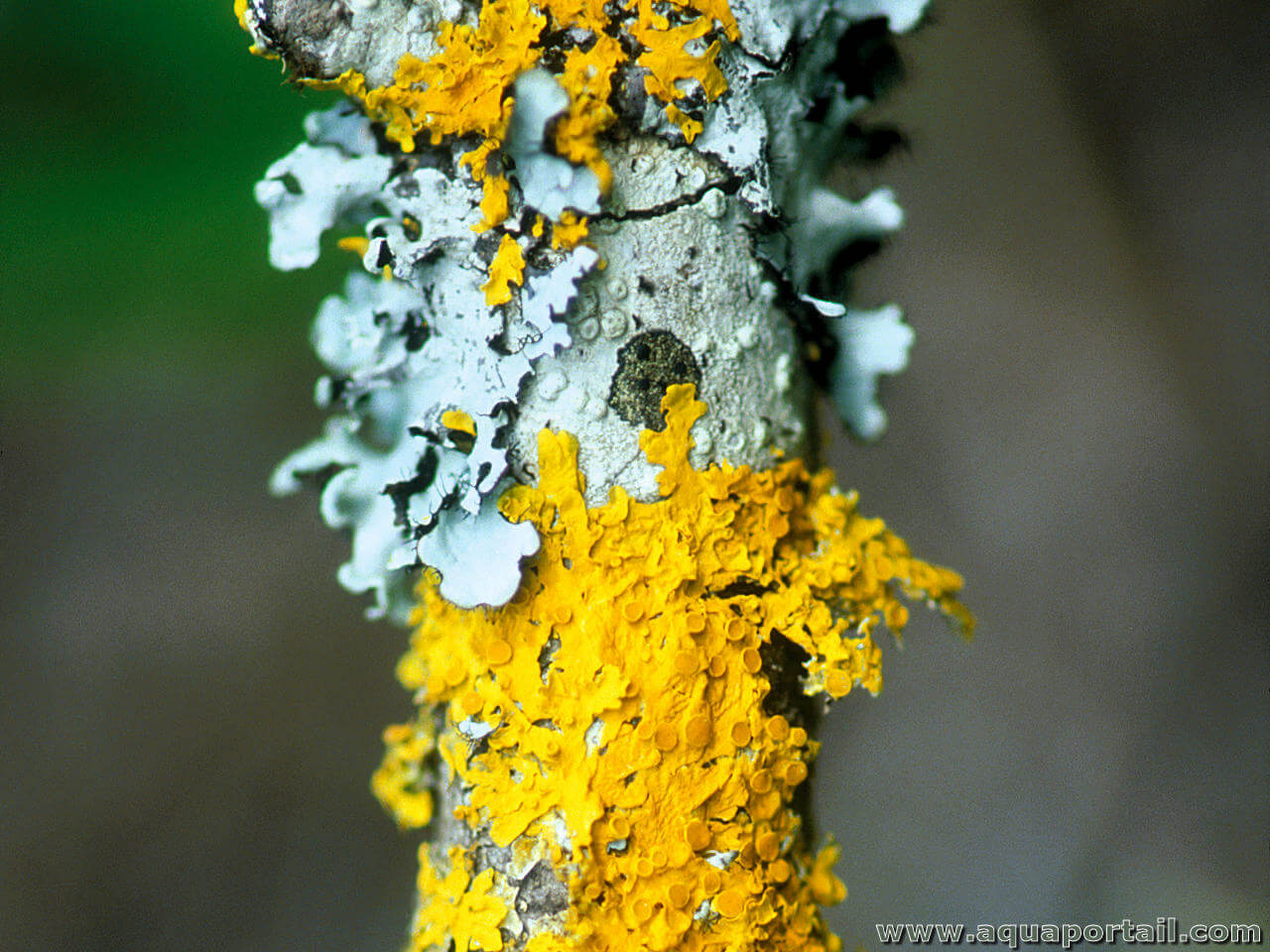
Lichens are included in the polyphyletic group of Thallophytes.
Thallophytes are not a taxon (a group in biological classification), but constitute a polyphyletic assemblage (not descending from an immediate common ancestor, but from several) of organisms traditionally described as "lower plants". In the past, they were treated as a division of the "plant kingdom", Thallophyta (or Thallobionta), which included fungi and algae, lichens, and occasionally Myxomycophyta (slime molds).
They are sometimes called "thallose plants" (or thalloid), as opposed to vascular plants. In the 19th century, Stephan Ladislaus Endlicher (Austrian botanist) divided the plant kingdom (equivalent to the sum of the kingdoms Plantae, true plants, and Fungi, true fungi, as well as part of the protist kingdom) into Thallophytes and Cormophytes (vascular plants) in 1836.
🚩 The term is obsolete because it corresponds neither to a group in the taxonomic classification of living organisms nor to a biotype; rather, it corresponded to an evolutionary "grade", a concept of very limited utility and outdated in science (teleological notion of the scala naturae).
Thallophytes include autotrophic algae that are not land plants and are found in the protist kingdom, fungi (now no longer classified as plants but forming their own kingdom, called Fungi), lichens (symbiotic associations of algae with fungi), and certain bryophytes.
Synonyms, antonyms
Spanish translation: talófito
5 synonyms (similar meaning) for "thallophyte":
- alga
- fungus
- lichen
- lower plants
- Thallophyta
1 antonym (opposite meaning):
Related words and expressions to THALLOPHYTE are directly connected by general or specific meaning.
The word THALLOPHYTE is listed on page 1 of words starting with T in the dictionary glossary.
Related to "thallophyte"
thallus

The thallus is the vegetative body of certain lower plants. This plant organ is negatively defined relative to a cormus as lacking true roots, stems...
trichothallic
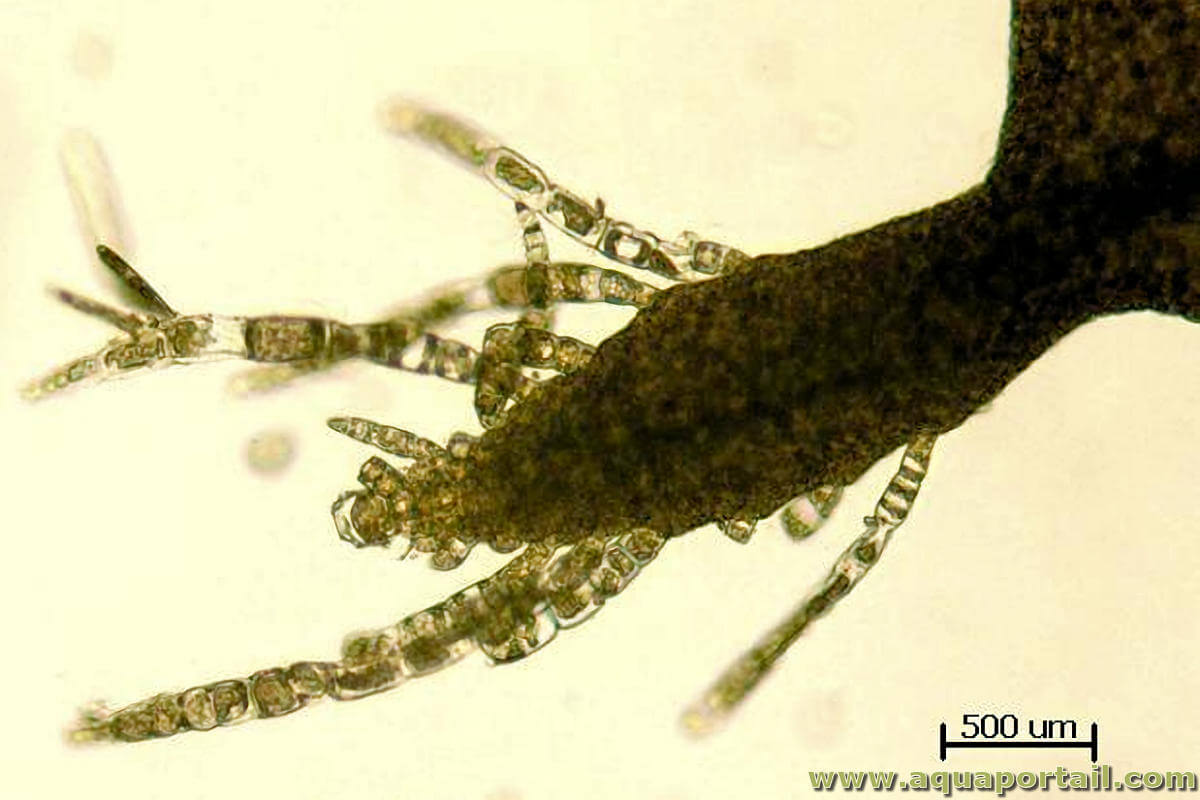
Trichothallic growth is an intercalary and axial mode of growth located near the apical part of a filament where a zone composed of a few cells divides...
higher plants

Higher plants refer to tracheophytes, plants with stems, roots, leaves, and flowers, or cormophytes, as opposed to lower plants, an expression that designates...
endophyte

An endophyte is a plant, fungal, or animal organism living inside a plant without necessarily being a parasite, though it is sometimes termed a plant...
