Internode
noun (n.)
Definition
An internode is a space between two successive nodes along an axis. In botany, internodes refer to the leafless part (section) of a plant stem located between two adjacent nodes, or two successive joints. They are also called merithalli. Usually, on a stem, there are numerous nodes and internodes. The length of the stem depends on the length of the internodes.
An internode between two leaves:
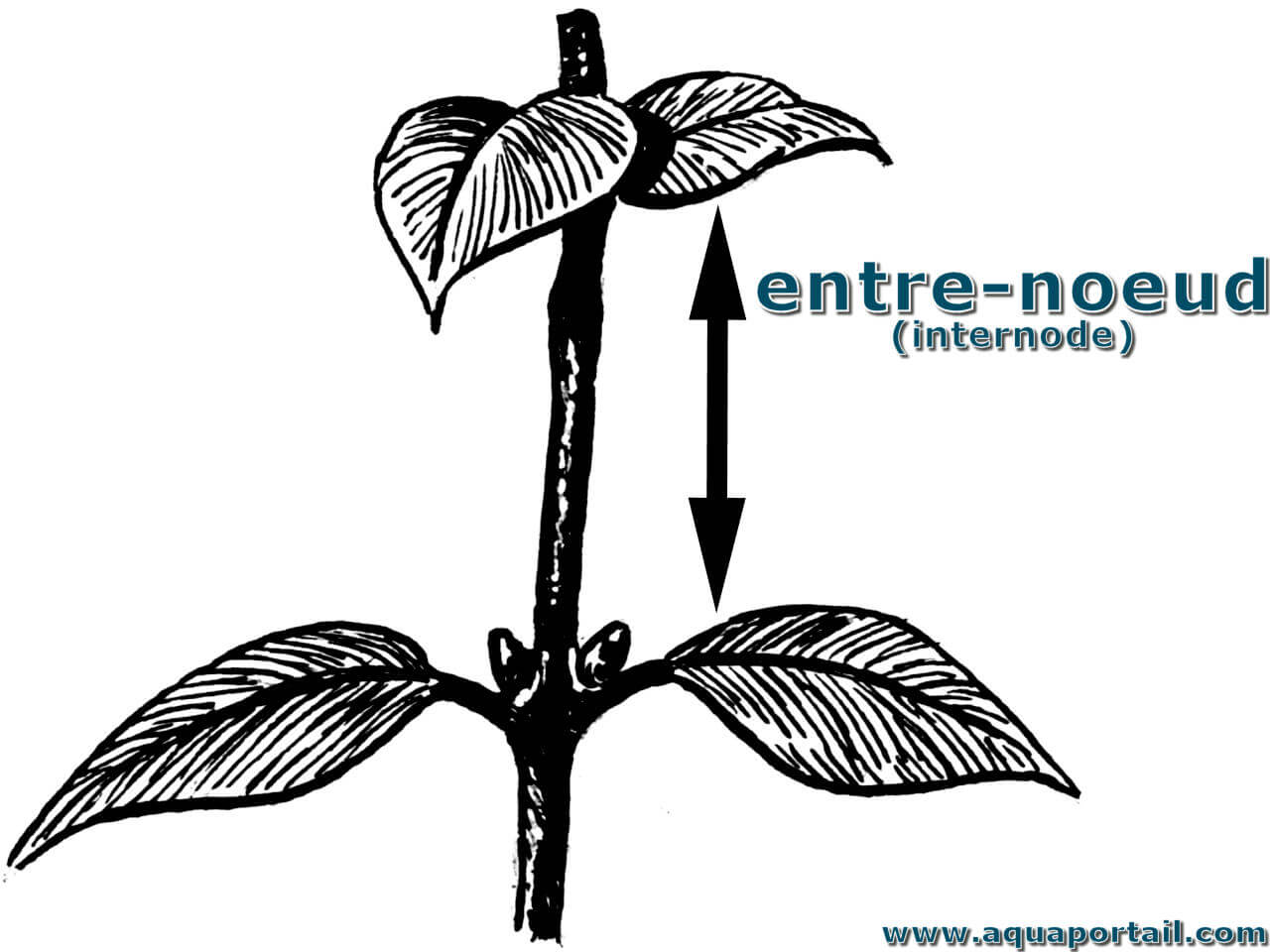
The internode is located between two attachment points (nodes) of the leaves.
Explanations
If the leaves are very close together, for example in the basal rosettes of dandelions, daisies, or plantains, the internodes are very shortened and almost invisible. In shoots, the internodes are short and the nodes are clustered together. As the stem or shoot grows, the internodes elongate.
The term internode is used figuratively for charophyte algae (Characeae) and other algae for the part of the thallus located between the attachment points of dichotomous">dichotomous branches.
The node and the internode form the structure of the stem of a vascular plant. Nodes are the part of the plant stem from which leaf growth occurs, whereas internodes are the part of the plant stem between 2 consecutive nodes. Nodes bear axillary buds, whereas internodes do not contain axillary buds.
Using sections of aerial stems containing nodes and internodes is an effective way to propagate many ornamental plants. These stem cuttings produce roots and, eventually, new plants.
✅ The term internode can be found in its modern sense in Pliny and at the beginning of the early modern period around 1542 with Leonhart Fuchs.
Synonyms, antonyms
Spanish translation: entrenudo
2 synonyms (similar meaning) for "internode":
0 antonyms (opposite meaning).
Related words and expressions to INTERNODE are directly connected by general or specific meaning.
The word INTERNODE is listed on page 1 of words starting with I in the dictionary glossary.
Related to "internode"
echinoderm
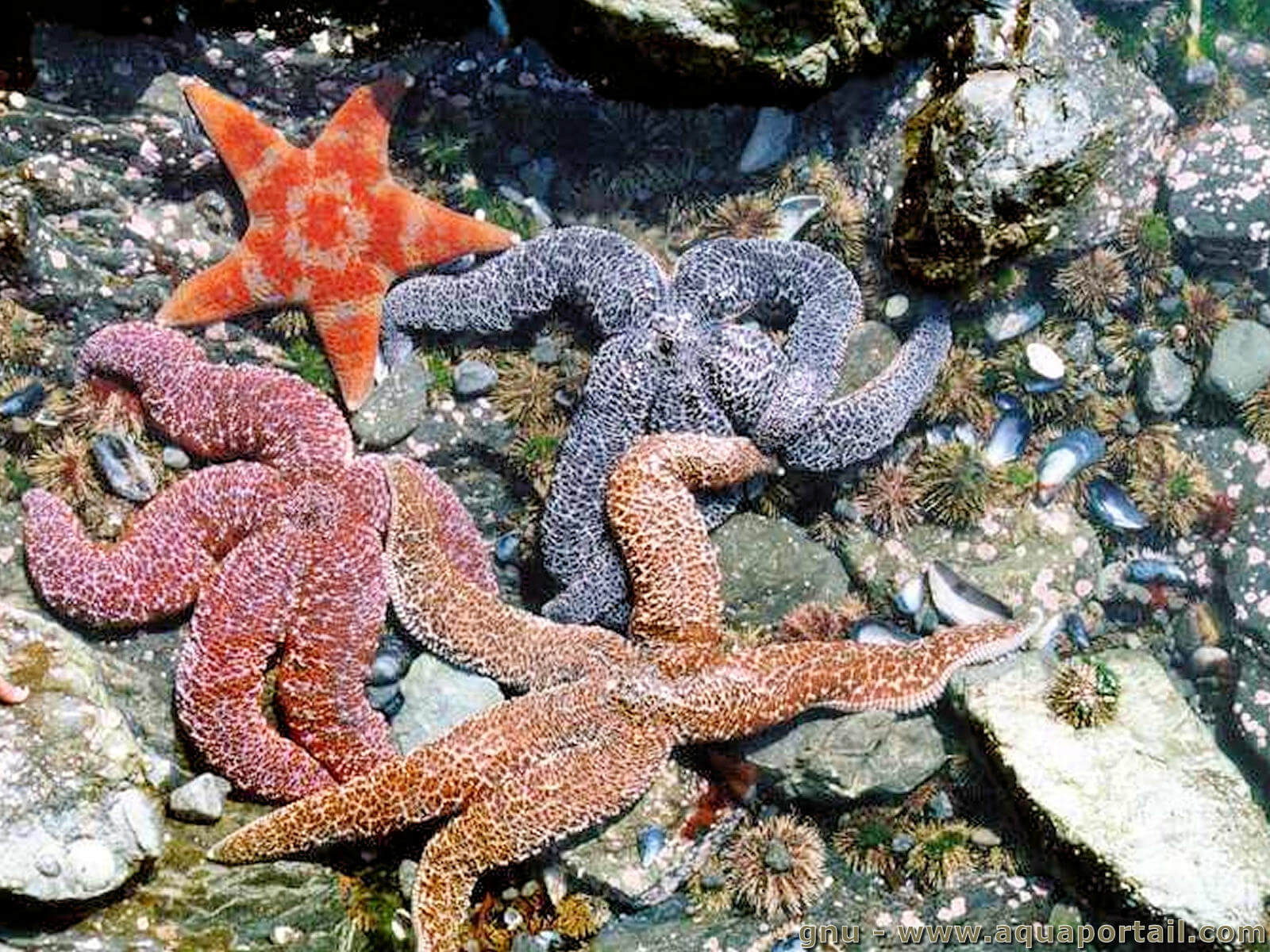
An echinoderm belongs to a lineage of invertebrates, the phylum Echinodermata, found exclusively in the world's oceans : starfish, brittle stars, sea urchins...
node

In plants, a node is the point of attachment of a leaf on a stem that is swollen and somewhat articulated at that spot.
internal clock

The internal clock is an endogenous periodic biological rhythm. It constitutes an internal regulatory system in the body that governs sleep timing, feeding...
ice sheet

An ice sheet constitutes vast, very thick glacial expanses covering a large terrestrial surface area, such as the Antarctic ice sheet for example.
