Pteridophyte
noun (n.)
Definition
A pteridophyte is a vascular plant belonging to the division Pteridophyta, encompassing ferns and allied species. These plants can be characterized as tracheophytes exhibiting alternation of generations, with a sporophyte typically taking the form of a primitive rhizome bearing a stem and, in most cases, leaves (either microphylls or megaphylls).
Ferns are pteridophytes:

Pteridophytes are cryptogams that include polypodiopsids (polypodies, ferns, and horsetails) and lycopodiopsids (spikemosses, clubmosses, and quillworts).
Explanations
The roots of pteridophytes are always adventitious and contain xylem as well as primitive phloem composed of sieve cells. These two tissues form vascular bundles arranged within a central cylinder, itself surrounded by a primary layer called the endodermis. All of this is enclosed by the epidermis, covered by a cuticle and bearing stomata, which persists throughout the sporophyte's life cycle.
These plants lack secondary growth and use spores as their dispersal units. These spores, formed via two developmental modes (eusporangiate or leptosporangiate), can survive for centuries. The gametophyte takes the form of a simplified thallus housing a multicellular female sexual organ (archegonium) that assists in fertilizing the non-motile female gamete.
In addition, it bears an antheridium in which motile flagellated male gametes develop. fertilization requires an aquatic film, and the embryo develops directly on the gametophyte after zygote formation, without a dormancy phase.
Depending on its type, the embryo may be bipolar with a eusporangiate suspensor derived from an apical meristem, or unipolar if derived from a leptosporangiate meristem. Once developed, it grows into a stem accompanied by adventitious roots, without prior detachment from the gametophyte.
An aphlebia, in pteridophytes, refers to a more or less leaf-like organ situated at the point of insertion of ramifications, occurring mainly in fossil forms and very rarely in extant species. Examples include pteridophytes of the order Marattiales.
⭐ Pteridophytes represent the oldest extant tracheophytes, having appeared as early as the Devonian and reached their peak at the end of the Mesozoic. To date, approximately 12,000 species are known, concentrated mainly in diverse tropical zones and humid mountainous regions. Although their economic importance is limited, they are valued primarily as ornamental plants. Their main significance lies in their systematic and evolutionary value.
Molecular DNA analyses have revealed that pteridophytes actually constitute a paraphyletic group divided into two distinct monophyletic clades. The first, Lycophyta, groups the oldest pteridophytes bearing microphylls. The second, Monilophyta, unites pteridophytes bearing megaphylls or having secondarily lost these structures during evolution. These two groups represent key intermediate stages between bryophytes and spermatophytes in plant evolution.
See also a phylloid (leaf-like organ) specific to pteridophytes.
Synonyms, antonyms
Spanish translation: pteridófito
2 synonyms (similar meaning) for "pteridophyte":
0 antonyms (opposite meaning).
Related words and expressions to PTERIDOPHYTE are directly connected by general or specific meaning.
The word PTERIDOPHYTE is listed on page 1 of words starting with P in the dictionary glossary.
Related to "pteridophyte"
tracheophyte

A tracheophyte is a vascular plant of the superclass Tracheophyta. Tracheophytes are chlorobionts equipped with conducting vessels, defined as land plants...
carposporophyte
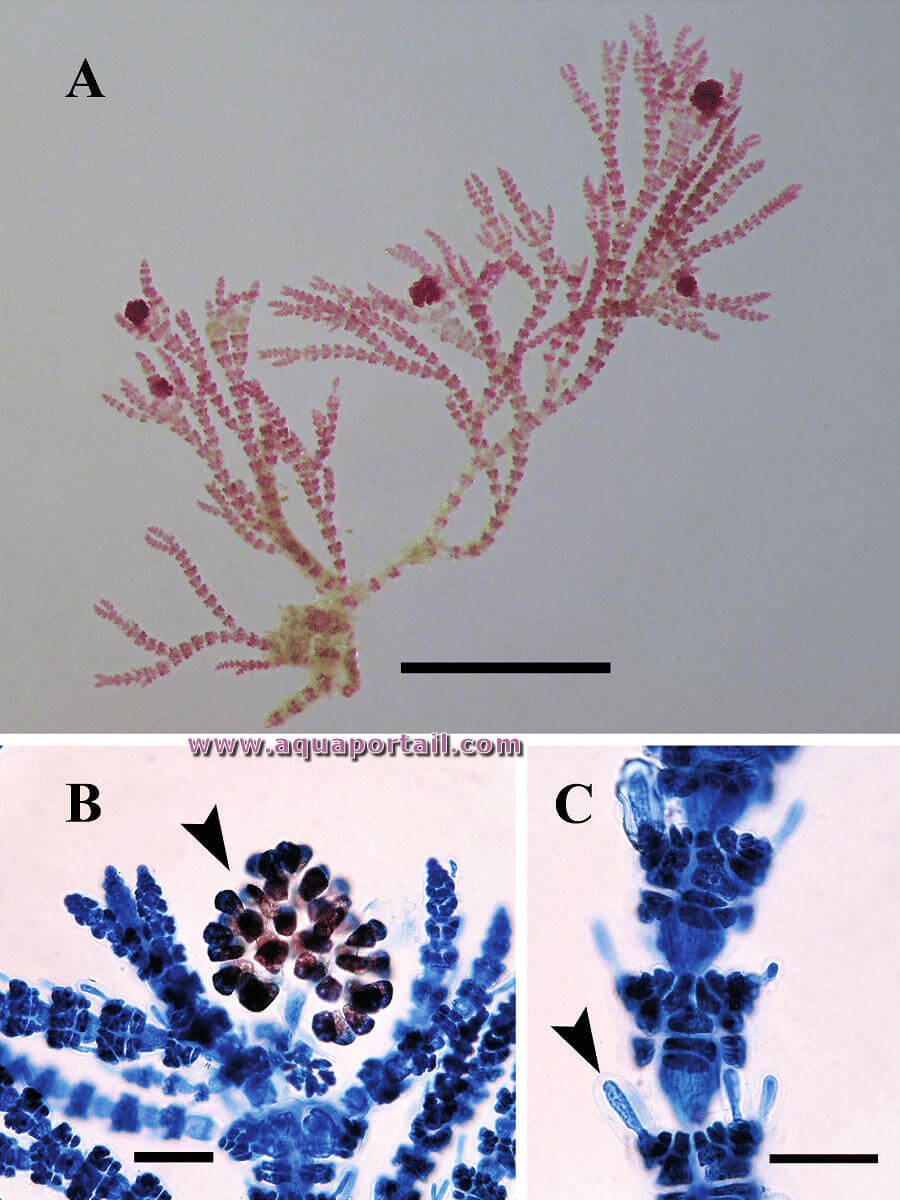
A carposporophyte comprises the gonimoblasts, the cystocarp, and the first sporophyte generation.
endophyte

An endophyte is a plant, fungal, or animal organism living inside a plant without necessarily being a parasite, though it is sometimes termed a plant...
epiphyte

Epiphyte refers to any plant that grows on another plant, using it solely as physical support without parasitizing it nutritionally.
