Tracheophyte
noun (n.)
Definition
A tracheophyte is a vascular plant of the superclass Tracheophyta. Tracheophytes are chlorobionts equipped with conducting vessels, defined as land plants possessing lignified tissues, the xylem, for transporting water and minerals throughout the plant.
A tree is a flower-producing tracheophyte:

Tracheophytes, the vascular plants, include clubmosses, horsetails, ferns, gymnosperms (including conifers), and angiosperms (flowering plants). Scientific names for the group include Tracheophyta and Tracheobionta.
Explanations
Tracheophytes have a specialized non-lignified tissue, the phloem, to transport the products of photosynthesis. Xylem contains tracheids (and vessel elements in angiosperms) for the circulation of raw sap, whereas phloem transports elaborated sap; a non-vascular plant lacks these and is avascular.
These vascularized organisms are composed of plant cells with a life cycle in which generations alternate between gametophyte and sporophyte, the latter being the dominant phase; sporophytes have an independent photosynthetic phase and possess tissue and organ systems.
A tracheophyte is organized around a vegetative axis comprising an aerial shoot, an underground root, and a vascular system connecting the whole, which is commonly called a "plant"; gametophytes have a reduced photosynthetic phase and can grow from a thallus, a body not organized into tissues or organs, in ferns and all pteridophytes, down to just a few cells protected and nourished by the sporophyte in gymnosperms and angiosperms.
Natural selection strongly drove the evolution of tracheophytes toward reduced dependence on terrestrial environmental conditions for reproduction and dispersal, a trait demonstrated by comparing the earliest tracheophytes, lycophytes (Lycophyta), with modern angiosperms (flowering plants).
The tracheophyte phylum leads to two main lineages, lycophytes and euphyllophytes (Euphyllophyta), differentiated primarily by leaf development patterns (lycophylls and euphylls, where euphylls roughly correspond to megaphylls, though reduced in some groups).
Euphyllophytes, in turn, comprise two main lineages, monilophytes (Monilophyta: ferns, horsetails, and whisk ferns) and spermatophytes (Spermatophyta), distinguished from one another because the former have free-living gametophytes while the latter enclose them within seeds and pollen grains.
In turn, spermatophytes consist of two major monophyletic groups, gymnosperms and angiosperms (magnoliophytes, Magnoliophyta), which differ in that the former lineage bears exposed seeds on fertile scales or leaves, whereas the latter has seeds enclosed within fertile carpels (fruits).
Tracheophytes constitute a major group dominating most terrestrial ecosystems, and their species are widely used by humans. Vascular plants provide medicines, ornamental plants, paper and fibers for clothing, and most of our food. Historically, knowledge of these properties and other attributes of tracheophytes was essential to the development of human civilization.
Survival depended on knowing which plants were edible, which were toxic to humans or animals serving as potential food, which were suitable for making tools and weapons, which could heal, and which could be useful in many other ways.
Tracheophytes Tracheophyta include:
- lycophytes (clubmosses and spikemosses)
- monilophytes (horsetails, ferns...)
- gymnosperms (conifers, cycads, ginkgo...)
- angiosperms with flowers and seeds
- gnetophytes.
Botanists continue to study lycophytes and monilophytes grouped together in the paraphyletic assemblage of "ferns and fern allies" or pteridophytes (clubmosses, horsetails, ferns).
Synonyms, antonyms
Spanish translation: traqueófita
4 synonyms (similar meaning) for "tracheophyte":
- cormophyte
- higher plant
- Tracheophyta
- vascular plant
1 antonym (opposite meaning):
Related words and expressions to TRACHEOPHYTE are directly connected by general or specific meaning.
The word TRACHEOPHYTE is listed on page 1 of words starting with T in the dictionary glossary.
Related to "tracheophyte"
rheophyte
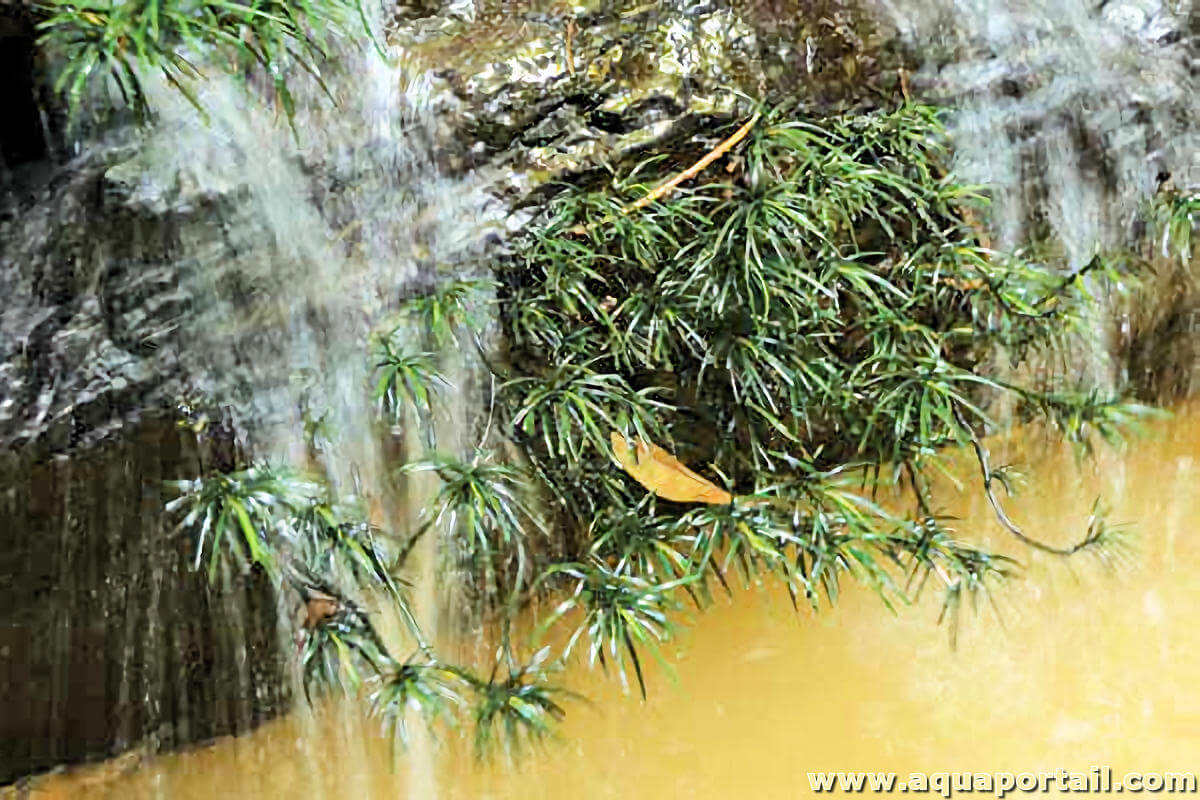
In botany, a rheophyte is a vascular plant of aquatic environments that lives in fast-flowing water currents in a habitat where few other organisms...
higher plants

Higher plants refer to tracheophytes, plants with stems, roots, leaves, and flowers, or cormophytes, as opposed to lower plants, an expression that designates...
endophyte

An endophyte is a plant, fungal, or animal organism living inside a plant without necessarily being a parasite, though it is sometimes termed a plant...
epiphyte

Epiphyte refers to any plant that grows on another plant, using it solely as physical support without parasitizing it nutritionally.
