Mesozoic
noun and adjective (n. / adj.)
Definition
The Mesozoic is a geological era spanning from -252 to -66 Ma. This name given to the Secondary era groups together the Triassic, Jurassic, and Cretaceous systems. This era is the middle division of the Phanerozoic in Earth's history, preceded by the Paleozoic and followed by the Cenozoic. Plants classified as mesophytes diversified widely during this era.
The Mesozoic era:

An approximate time scale of major Mesozoic events. The axis scale is in millions of years.
The Mesozoic (as a geological era) is also called the Secondary era, the age of reptiles, and the age of conifers.
The term Mesozoic was defined by John Phillips in 1841 to designate middle animal life, following that of the Paleozoic. In his original definition, it already included the Cretaceous, the "Oolitic" (= Jurassic), and the Triassic. However, as early as 1841, Murchison was able to show that the lower part initially assigned to the Triassic belongs to the Permian, thereby establishing the framework still in use today (see above).
Life in the Mesozoic era
The Mesozoic began after a major ecological catastrophe (Permian-Triassic boundary) at the end of the Permian (also marking the end of the Paleozoic), the exact cause of which is still under investigation. During this largest known mass extinction in Earth's history, between 75% and 90% of all animal and plant species disappeared. This allowed the evolution of a new type of fauna and flora.
Dinosaurs evolved from archosaurs during the Triassic and dominated terrestrial ecosystems until the end of the Cretaceous. Birds evolved from the theropod dinosaur group. In addition, the first small mammals, flowering plants, and most of the tree lineages we know today appeared.
Geological evidence suggests that an asteroid struck near the Yucatán Peninsula (Mexico) at the end of the Mesozoic. This impact is held responsible for the extinction of a large proportion of animal and plant species, including all large terrestrial vertebrates (including non-avian dinosaurs), numerous plant species, and a large share of marine fauna and flora.
Characteristic invertebrates of this era were ammonites, spiral-shelled cephalopods, and smaller belemnites with an elongated, pointed rostrum (internal shell), as well as echinoderms, brachiopods, and crustaceans. Vertebrates, particularly reptiles, were widely diversified. Mammals, birds, and angiosperms (flowering plants) also appeared during this time. However, dinosaurs were not the only animals that thrived throughout this era: fish and other reptiles, such as marine turtles (for example, Archelon) or crocodylomorphs, some of which reached great size such as Sarcosuchus or Deinosuchus, were also abundant.
Mesozoic geology
Whereas at the beginning of the Mesozoic all continents were united in one supercontinent (Pangaea), toward the end of the Cretaceous, the separating continents gradually took on their present configuration.
During these 186 million years, orogenic episodes remained more localized than during the major continental collisions of the Paleozoic or Cenozoic (though marked by the Cimmerian, Nevadan, and Laramide orogenies). Pangaea gradually fragmented and the continents drifted toward their current positions. The climate was exceptionally warm throughout the era, playing an important role in the evolution and diversification of new animal species.
Mesozoic climate
With the successive breakup of the ancient supercontinent Pangaea, the climate of the Mesozoic era was subject to constant changes.
At the beginning of the era, vast deserts still existed due to the immense continental landmass of Pangaea (comparable to the Sahara in Africa today, see continental climate).
With the opening of the Tethys at the start of the Mesozoic era, however, the climate quickly became more humid and the continents began to split apart. The climate became globally warm and very uniform worldwide, as the world ocean was not yet partitioned into the Atlantic Ocean and the Indo-Pacific Ocean as it is today, allowing ocean currents to circulate more evenly. Even the poles were free of permanent ice caps.
It was only with the formation of the Atlantic and the onset of Pangaea's breakup into separate continents during the Jurassic that global ocean currents were altered and climatic zonation became more pronounced. This can be seen notably in the annual growth rings of petrified wood. Toward the end of the Cretaceous, distinct seasons with cooler zones in the north and south of Earth emerged due to this shift in global heat distribution.
Synonyms, antonyms
Spanish translation: Mesozoico
1 synonym (similar meaning) for "mesozoic":
2 antonyms (opposite meaning):
Related words and expressions to MESOZOIC are directly connected by general or specific meaning.
The word MESOZOIC is listed on page 1 of words starting with M in the dictionary glossary.
Related to "Mesozoic"
Cenozoic

The Cenozoic era, or Tertiary era (in the broad historical sense), is the geological era spanning from -66 Ma to the present day (we are still in this era).
Eocene
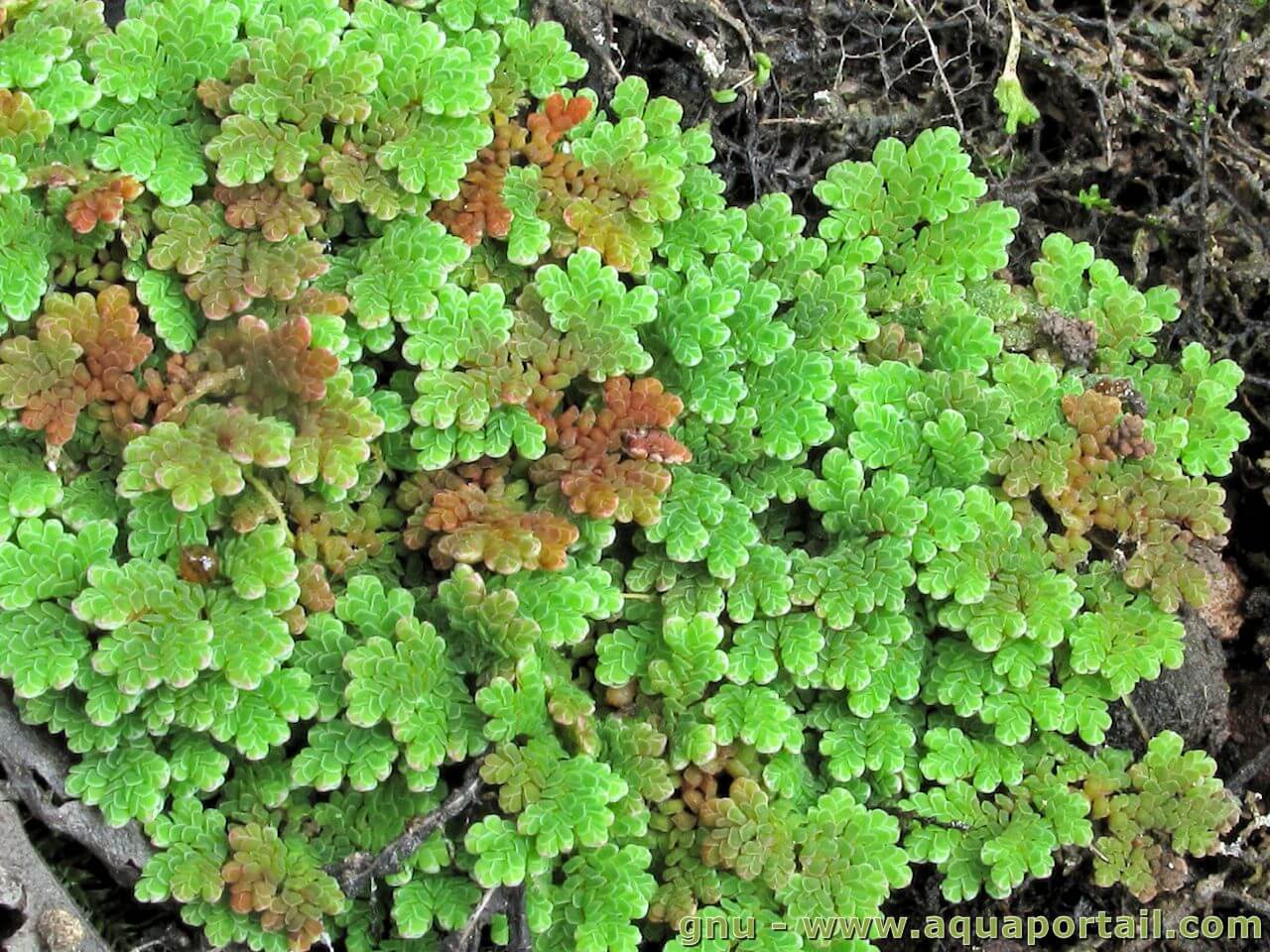
The Eocene epoch spans a geological time of the Cenozoic era, extending from 56 to 34 million years ago, belonging to the Paleogene period and system; within...
Holocene
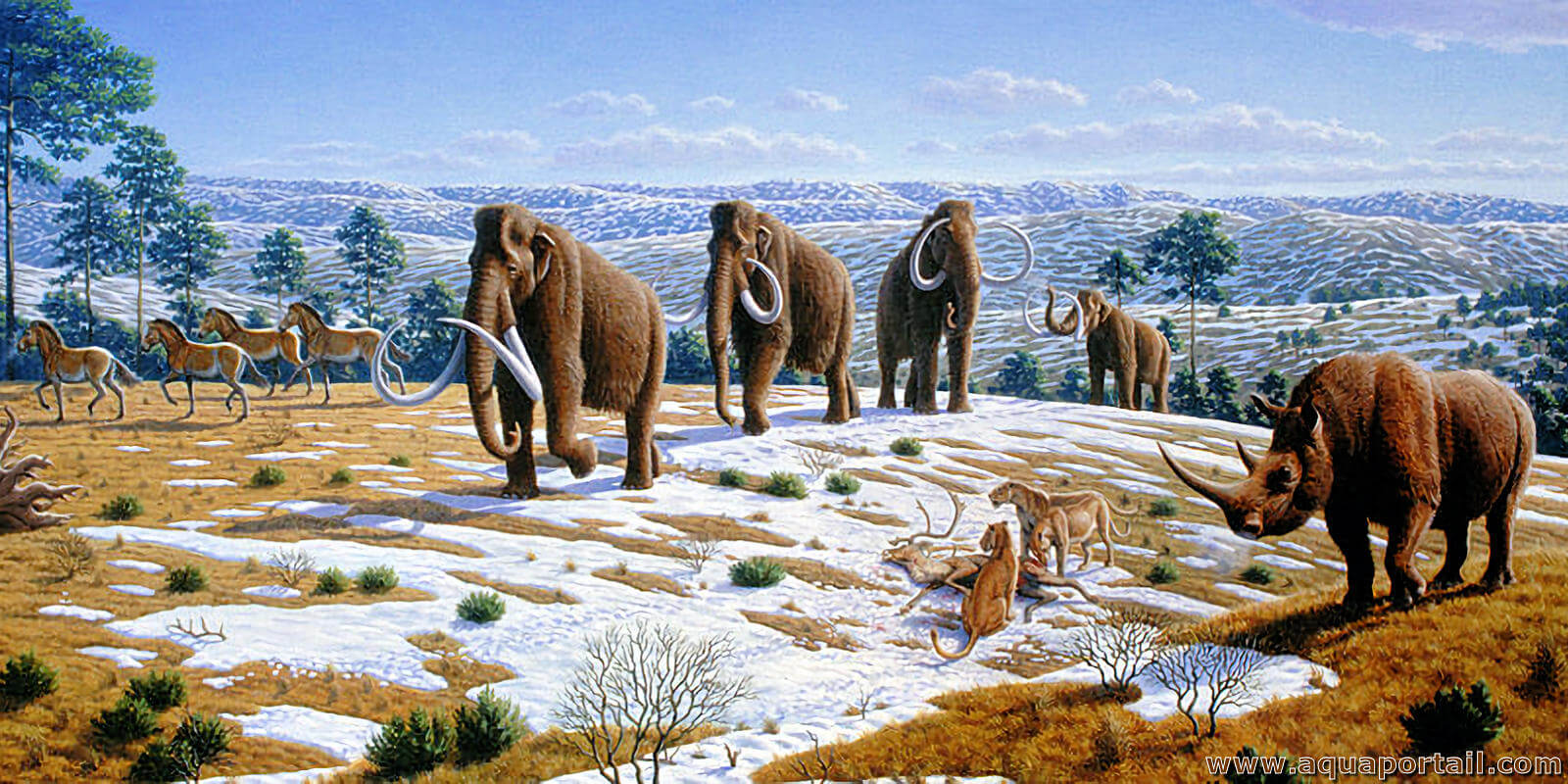
The Holocene is the most recent geological epoch of the Quaternary Period, spanning the past 11,700 years and representing the current epoch of Earth's...
Paleocene

The Paleocene is the geological epoch of the Cenozoic era spanning from -66 to -56 Ma in the stratigraphic scale.
